Issue · Budget & Taxes

Budget & Taxes

Every budget & taxes bill, vote, and legislator stance in United States, automatically classified by Maddy, our AI policy reader.

Total bills
2,374
119th Congress
Top supporter
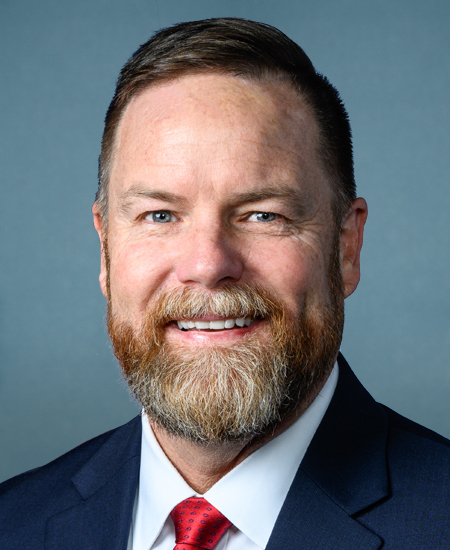
Clay Fuller
87% support rate
Top opponent
Eleanor Holmes Norton
0% support rate
Ranked legislators
10
5 support · 5 oppose
Key legislators

Who's moving budget & taxes in United States

Legislators moving budget & taxes in United States
Legislator Party Stance Support rate Decisive votes
Clay Fuller
Clay Fuller House · District 14
R
Strong +
87% 46
Tina Smith
Tina Smith Senate
D
Strong +
83% 77
Andrew Ogles
Andrew Ogles House · District 5
R
Strong +
83% 65
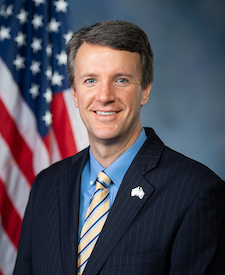
Aaron Bean
Aaron Bean House · District 4
R
Strong +
83% 69
Ben Cline
Ben Cline House · District 6
R
Strong +
83% 69
Eleanor Holmes Norton
Eleanor Holmes Norton House · District At-Large
D
Strong −
0% 26
Pablo José Hernández
Pablo José Hernández House · District At-Large
D
Strong −
7% 28
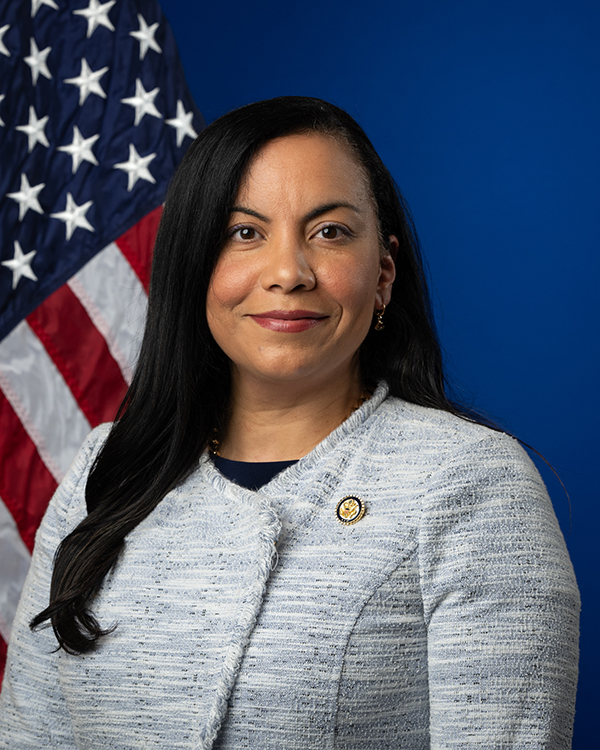
Analilia Mejia
Analilia Mejia House · District 11
D
Strong −
13% 45
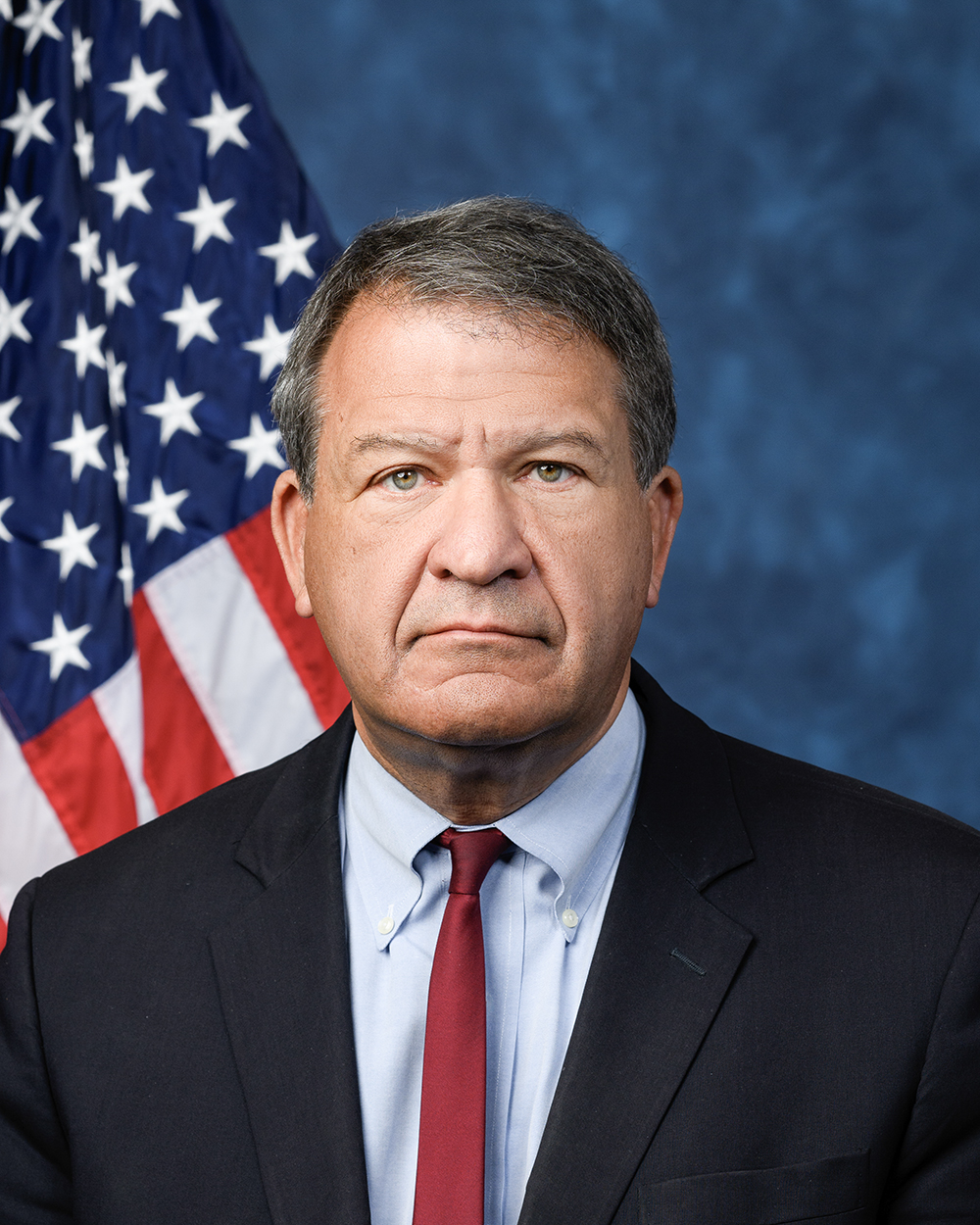
George Latimer
George Latimer House · District 16
D
Strong −
13% 67
Gregory W. Meeks
Gregory W. Meeks House · District 5
D
Strong −
14% 66
Showing 1,631–1,640 of 2,374 bills

All budget & taxes bills

in committee · United States · Senate Feb 5, 2025

S 420: Dairy Business Innovation Act of 2025

This bill increases funding for dairy business innovation programs from $20 million to $36 million annually under the existing Agriculture Improvement Act of 2018. It directly affects dairy businesses that apply for grants through the established program to support innovation in production, processing, or marketing. The key mechanism is a simple budget amendment to Section 12513(i), raising the annual appropriation by $16 million without creating new requirements or eligibility rules.
Sub-Topics Appropriations
in committee · United States · Senate Jan 22, 2025

S 186: No Taxpayer Funding for Abortion and Abortion Insurance Full Disclosure Act of 2025

This bill prohibits federal funds from being used for abortions or health plans covering abortion. It amends the Affordable Care Act to block premium tax credits and cost-sharing reductions for health plans that include abortion coverage (except for rape/incest cases or life-threatening conditions), and requires clear disclosure of abortion coverage and related surcharges in plan materials. The law explicitly exempts abortions performed due to rape, incest, or to preserve a mother's life, and allows separate abortion coverage using non-federal funds. It applies to all federal health programs and ACA marketplace plans, effective for plan years beginning after 2025.
in committee · United States · Senate Jan 21, 2025

S 168: Energy for America’s Economic Future Act

This bill establishes the "Debt Reduction Fund" to directly reduce the federal debt. It requires depositing 25% of revenue from federal oil and gas lease sales (both onshore and offshore) and activities under Executive Order 14141 (AI infrastructure) into the fund starting 100 days after enactment. The fund's sole purpose is to reduce outstanding public Treasury securities, with the Treasury applying all deposits quarterly toward this goal. The Secretary must report quarterly on redeemed securities and debt reductions. This affects federal debt management, not specific citizens or industries, as it redirects existing revenue streams toward debt reduction.
passed · United States · Senate Mar 18, 2025

S 1077: District of Columbia Local Funds Act, 2025

This bill authorizes the District of Columbia to use local funds from its General Fund for fiscal year 2025, matching the programs and spending levels set in the District's Fiscal Year 2025 Local Budget Act (D.C. Law 25-218). It sets a strict spending cap, limiting total operating expenses to either the budgeted amount or the District's total projected revenues for 2025, whichever is lower. The bill allows limited one-time increases for emergencies or unexpected needs, but only if approved by local law and following reserve rules. It also prohibits reprogramming funds from bond proceeds (used for capital projects) to cover regular operating costs, requiring the Chief Financial Officer to manage fund distribution accordingly.
in committee · United States · Senate Mar 11, 2025

S 948: HOME Investment Partnerships Reauthorization and Improvement Act of 2025

The HOME Investment Partnerships Reauthorization and Improvement Act of 2025 reauthorizes the HOME program with increased funding, authorizing $5 billion for fiscal year 2025 and increasing to $6.08 billion by 2029. The bill modifies program administration by increasing the percentage for program administration resources from 10% to 15%, eliminates a commitment deadline, and establishes a new home loan guarantee program with a $2 billion cap for 2025. It also reforms homeownership resale restrictions to better protect long-term affordability, adds requirements for property inspections, and strengthens enforcement for noncompliance with program rules. Specific provisions include alternative requirements for small-scale housing (with 4 or fewer units) and enhanced tenant protections for this housing type.
in committee · United States · Senate Feb 24, 2025

S 692: Sustainable Vessel Fuel Act

This bill creates a new clean fuel production tax credit for sustainable vessel fuel used in commercial ships and ferries. It defines "sustainable vessel fuel" as liquid fuel meeting strict criteria: zero emissions, not derived from palm oil or petroleum, and meeting specific environmental standards set by the Secretary. The credit extends through 2035 for this fuel type (previously expiring in 2027), directly benefiting fuel producers and commercial vessel operators who adopt qualifying sustainable fuels.
in committee · United States · Senate Feb 3, 2025

S 369: NO GOTION Act

This bill denies U.S. green energy tax credits to companies tied to designated "foreign adversaries," including those owned by governments of Cuba, Venezuela (under Maduro), or other nations identified under U.S. law. It blocks eligibility for tax benefits under specific clean energy provisions (like credits for solar, wind, and energy-efficient buildings) if a company meets defined criteria: having 10%+ ownership by a foreign adversary government, being controlled by such entities, or having certain financial arrangements (like leases or debt) with them. The law applies to future tax years and aims to prevent taxpayer-funded incentives from flowing to entities linked to nations deemed adversarial by the U.S. government. It does not alter existing tax credits for companies not meeting these criteria.
in committee · United States · Senate Jan 30, 2025

S 345: SHUSH Act

This bill (S 345, the SHUSH Act) removes federal barriers to state regulation of firearm silencers. It preempts state laws that impose taxes, registration, or recordkeeping requirements on silencers, meaning states cannot enforce such rules. The bill also amends tax code to treat silencers like firearms for registration purposes and excludes silencers from federal consumer safety regulations. It directly affects silencer manufacturers, sellers, and users by preventing federal interference with state-level rules governing these devices. The key change is making state laws the sole regulatory framework for silencers, not federal requirements.
in committee · United States · Senate Jun 5, 2025

S 1963: Emergency Disaster Relief Fund Act of 2025

This bill establishes a $25 billion emergency fund for the Federal Emergency Management Agency (FEMA) in fiscal year 2025, directly affecting communities impacted by natural disasters. The fund, drawn from unappropriated Treasury funds, is designated as an emergency requirement under federal budget rules to allow immediate use without typical spending constraints. Key provisions include setting aside $25 billion specifically for FEMA's Disaster Relief Fund to support response and recovery operations during declared emergencies. The bill does not create new programs but provides immediate funding for existing disaster relief efforts.
Tags Emergency Management
in committee · United States · Senate Feb 6, 2025

S 471: A bill to amend the Internal Revenue Code of 1986 to maintain the prohibition on allowing any deduction or credit associated with a trade or business involved in trafficking marijuana.

This bill prohibits federal tax deductions or credits for businesses involved in marijuana trafficking, maintaining the current tax treatment under Section 280E of the Internal Revenue Code. It directly affects businesses operating in the legal marijuana industry (where permitted by state law) by preventing them from deducting ordinary business expenses like rent or supplies on federal tax returns. The key provision expands the existing rule to explicitly include marijuana trafficking under federal law, regardless of state legalization. This policy change means marijuana businesses cannot use standard business expense deductions for federal tax purposes, aligning with federal prohibition on marijuana.
Showing 1,631 to 1,640 of 2,374 bills