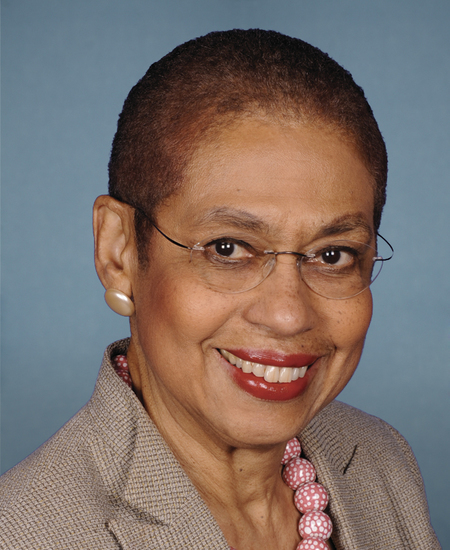
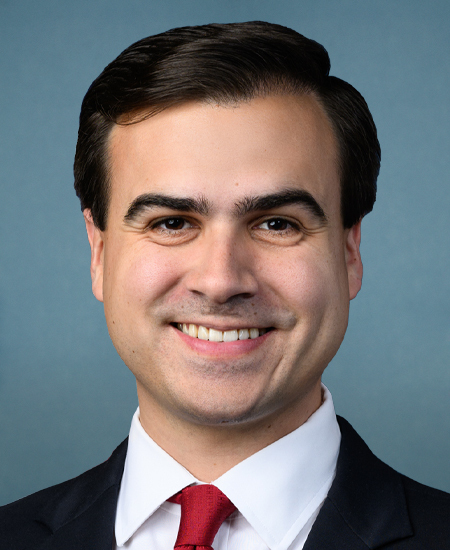
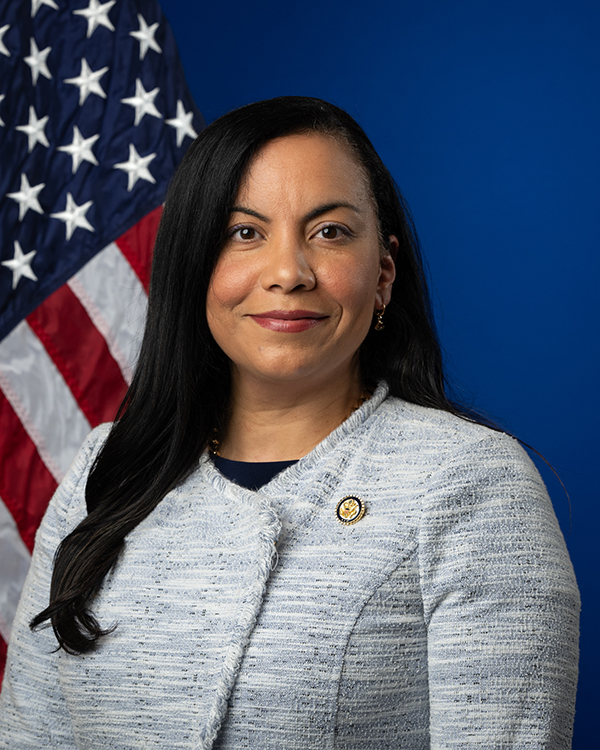
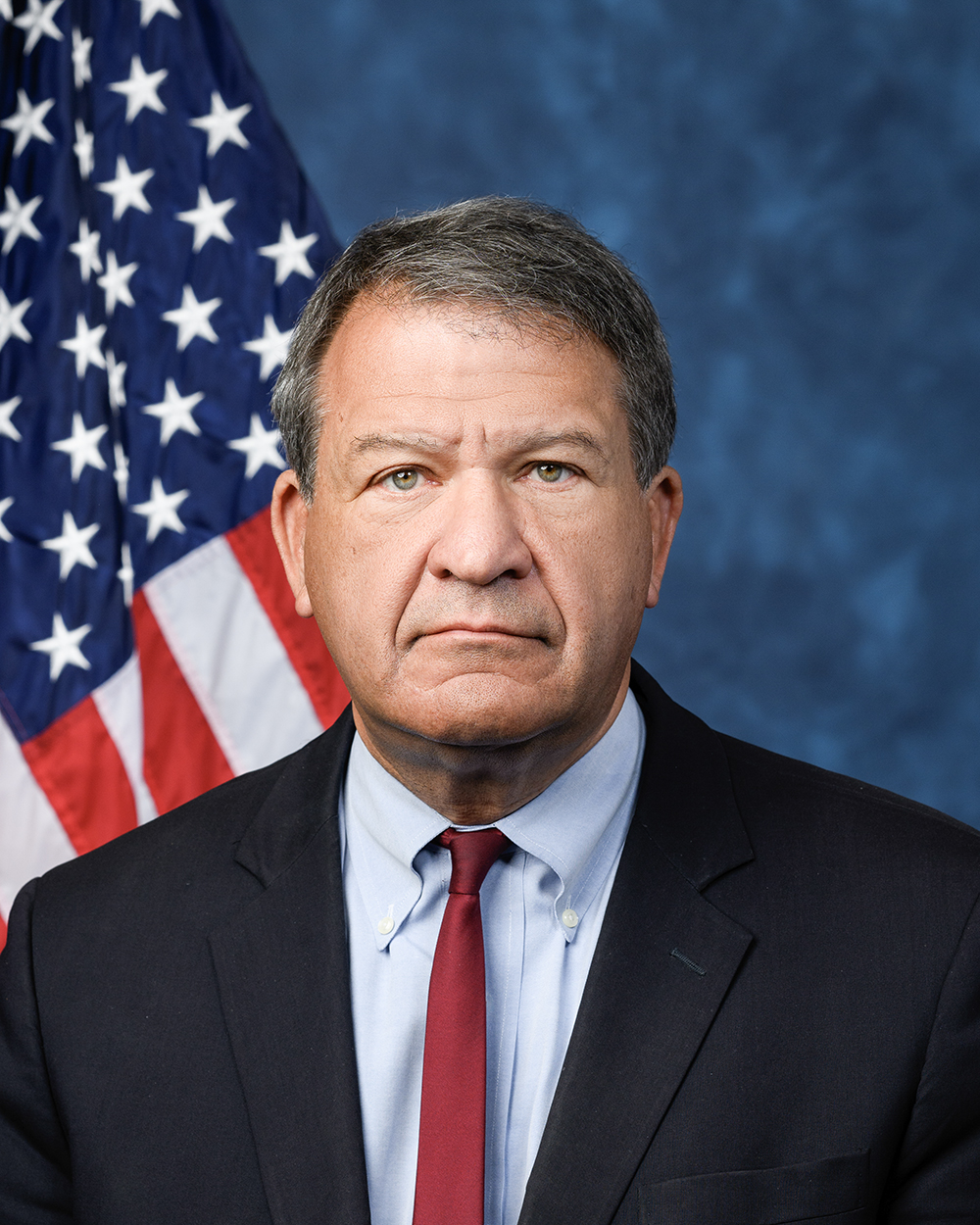
HR 2753, the Hands Off Medicaid and SNAP Act of 2025, is a procedural bill that would prevent Congress from using budget reconciliation to cut Medicaid or SNAP benefits. It amends the Congressional Budget Act to block reconciliation bills or amendments that reduce Medicaid enrollment/benefits (under Social Security Act Title XIX) or SNAP eligibility/benefits (under the Food and Nutrition Act of 2008). This rule would apply until January 20, 2029, and only affects the budget reconciliation process, not the programs themselves. The bill does not change current benefit levels or eligibility rules for Medicaid or SNAP recipients.
The IDEA Full Funding Act (HR 2598) mandates specific annual federal funding levels for the Individuals with Disabilities Education Act (IDEA), directly affecting schools and students with disabilities nationwide. It requires the federal government to appropriate either a fixed dollar amount or a specified percentage (increasing annually from 4.5% to 40%) of a calculated total - based on the number of eligible students and average per-pupil costs - starting in fiscal year 2026 through 2035. The bill sets clear, escalating funding targets, with the higher of two calculated amounts (dollar figure or percentage) becoming available for obligation each fiscal year. This establishes a binding financial commitment to address long-standing underfunding of special education services under IDEA.
HR 2517, the Community Wood Facilities Assistance Act of 2025, amends two existing federal grant programs to expand support for forest product manufacturing facilities. It increases annual funding from $25 million to $50 million (for fiscal years 2026-2030), raises the maximum grant per project from $1.5 million to $5 million, and requires projects to generate at least 50% of their energy from forest biomass (up from 25%). The bill directly affects rural communities and forest product manufacturers by providing grants for constructing, using, or retrofitting facilities that process forest biomass into products. Key changes include expanding eligibility beyond "wood innovation" to focus on "forest products manufacturing" and increasing thermal energy requirements for eligible projects.
Sub-Topics
Forestry
Tags
Rural Communities
The Health Care Fairness for All Act repeals the individual and employer health insurance mandates from the Affordable Care Act. It creates a new tax credit to help people afford health insurance and modifies health savings accounts to make them more accessible. The bill maintains certain consumer protections like no lifetime coverage limits and coverage for dependents up to age 26, while giving states more flexibility to regulate health insurance outside of the ACA marketplace. It also includes changes to Medicare and Medicaid payment systems to improve cost transparency and quality of care.
This bill requires the Office of Management and Budget (OMB) to annually report all federal disaster spending to Congress, covering response, recovery, and mitigation efforts across all relevant agencies. The report must detail total spending, break it down by agency and disaster type, and distinguish between loans and grants, including costs from agencies like FEMA, USDA, and the Department of Housing and Urban Development. It aims to improve budget transparency and help Congress identify cost-saving opportunities by providing a single, public source of disaster spending data. The first report is due for fiscal year 2027, with data for the prior calendar year. This is a transparency measure, not a change to how disaster aid is delivered.
Tags
Data Reporting
Emergency Management
This bill increases the income limit for deducting mortgage insurance premiums on federal income taxes. It doubles the cap from $100,000 (or $50,000 for married filing separately) to $200,000 (or $100,000 for married filing separately) under IRS Code Section 163(h)(3)(E), making the deduction permanent for qualifying taxpayers. The change directly affects middle-income homeowners who pay mortgage insurance premiums and itemize deductions on their tax returns. The policy takes effect for tax years beginning after December 31, 2025.
The 10th Amendment Restoration Act of 2025 would establish a Constitutional Government Review Commission to examine federal agencies and determine if their powers are "definitively delegated" by the Constitution. The commission would review each agency's authorizing statute and recommend repealing those not constitutionally justified, with recommendations requiring a simple majority vote. It would also propose how to distribute any resulting federal budget savings to states. The bill includes expedited procedures for Congress to consider the commission's recommendations within 30 days. The commission would operate for 5 years, holding public meetings and publishing all information online.
The CHEERS Act creates a new tax deduction for restaurants, bars, and entertainment venues that purchase energy-efficient draft beer equipment. It amends tax code Section 179D to treat stainless steel or aluminum draft containers and tap systems as "qualified energy-efficient property," allowing businesses to deduct these costs. The deduction applies only to equipment used specifically for distributing and selling alcohol in eligible venues, meeting existing energy efficiency standards. The provision takes effect for equipment placed in service after December 31, 2024.
This bill reauthorizes funding for the Healthy Start Initiative, which provides maternal and infant health services to at-risk communities. It specifies $145 million annually for fiscal years 2026 through 2030 to support existing Healthy Start programs. The bill modifies the funding language in the Public Health Service Act to continue these services without changing program requirements. It directly affects local health organizations operating under the Healthy Start Initiative.
HR 2628, the American Innovation Act, authorizes significant funding increases for federal science and innovation programs through fiscal year 2036. It sets annual funding levels for the National Science Foundation, Department of Energy’s Office of Science, Department of Defense science programs, National Institute of Standards and Technology, and NASA’s Science Mission Directorate, with amounts rising each year and adjusted annually for inflation using the Consumer Price Index. The bill also exempts these appropriations from automatic spending cuts (sequestration) under the Balanced Budget Act. This legislation directly affects federal research agencies by securing long-term funding for scientific development and technological advancement.