Issue · Budget & Taxes

Budget & Taxes

Every budget & taxes bill, vote, and legislator stance in United States, automatically classified by Maddy, our AI policy reader.

Total bills
2,349
119th Congress
Top supporter
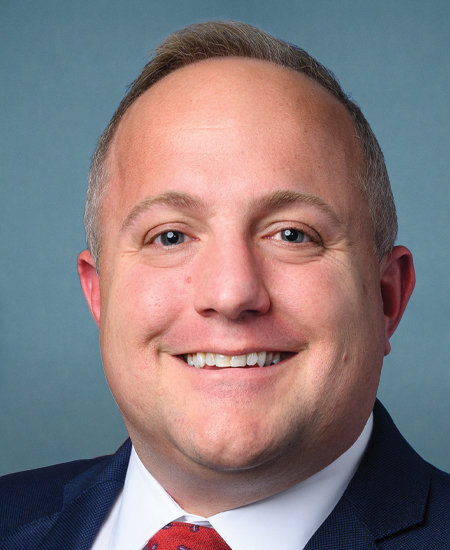
Clay Fuller
86% support rate
Top opponent
Eleanor Holmes Norton
0% support rate
Ranked legislators
10
5 support · 5 oppose
Key legislators

Who's moving budget & taxes in United States

Legislators moving budget & taxes in United States
Legislator Party Stance Support rate Votes
Clay Fuller
Clay Fuller House · District 14
R
Strong +
86% 55
Tina Smith
Tina Smith Senate
D
Strong +
83% 251
Andrew Ogles
Andrew Ogles House · District 5
R
Strong +
83% 175
Russell Fry
Russell Fry House · District 7
R
Strong +
82% 186
John Joyce
John Joyce House · District 13
R
Strong +
82% 185
Eleanor Holmes Norton
Eleanor Holmes Norton House · District At-Large
D
Strong −
0% 46
Pablo José Hernández
Pablo José Hernández House · District At-Large
D
Strong −
7% 46
George Latimer
George Latimer House · District 16
D
Strong −
14% 181
Analilia Mejia
Analilia Mejia House · District 11
D
Strong −
14% 52
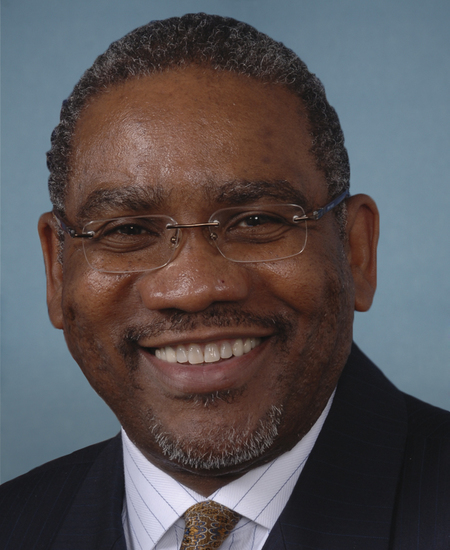
Gregory W. Meeks
Gregory W. Meeks House · District 5
D
Strong −
14% 181
Showing 101–110 of 2,349 bills

All budget & taxes bills

in committee · United States · House Jul 23, 2026

HR 9938: SCREEN Act

The SCREEN Act creates a new tax credit to help owners of movie theaters in the United States pay for renovations and upgrades to their facilities. This credit covers 30% of the costs spent on eligible equipment and property used to show films, provided the theater has been in operation for at least five years. The amount of the credit is limited based on the number of screens a theater has, ranging from $250,000 for small theaters with fewer than four screens up to $500,000 for larger venues with ten or more screens. Businesses can use this credit to lower their overall tax bill, and the provision is available for expenses incurred after the law is passed until the end of 2030.
Sub-Topics Tax Credits
in committee · United States · Senate Jul 14, 2026

S 4979: PROMISE Act of 2026

The PROMISE Act of 2026 establishes a mandatory process for Congress to address Social Security solvency by requiring the Social Security Advisory Board to develop and submit specific legislative recommendations by September 2026. This legislation mandates that Congress convene and consider a Social Security bill by November 2026, with strict rules limiting debate to 100 hours and prohibiting amendments that would not achieve long-term solvency or alter the program's funding. To pass the bill, the Senate requires a three-fifths majority vote while the House requires a simple majority, and the process restricts the inclusion of unrelated provisions to ensure the focus remains on the financial stability of the Social Security Trust Funds.
in committee · United States · Senate Jul 28, 2026

S 5144: A bill to amend the Internal Revenue Code of 1986 to eliminate installment agreement fees for certain individuals.

This bill proposes to remove the fees charged for setting up installment payment plans with the IRS for taxpayers with low incomes. Specifically, it would exempt individuals whose adjusted gross income is at or below 250 percent of the federal poverty level from paying these administrative costs. The change would only apply to new payment agreements entered into after a 12-month waiting period following the law's enactment. By eliminating these fees, the legislation aims to make debt relief options more accessible to financially struggling Americans without altering the underlying tax obligations.
in committee · United States · Senate Jul 21, 2026

S 5054: Data Center Tax Accountability and Disclosure Act of 2026

The Data Center Tax Accountability and Disclosure Act of 2026 modifies tax rules and establishes reporting requirements for large data centers. It removes a tax incentive known as bonus depreciation for artificial intelligence data centers unless they meet specific green building standards, such as LEED Platinum or Gold certification. Additionally, the bill requires operators of data centers consuming at least 25 megawatts of power to submit detailed annual reports on their water and electricity usage, emissions, and backup power systems to state or federal agencies. These reports must be made public, and the law prohibits companies from using confidentiality agreements to hide this information. Operators who fail to comply with these reporting requirements face daily civil penalties of up to $100,000 for intentional violations.
in committee · United States · House Jul 21, 2026

HR 9811: Anti-Fraud Fund Act of 2026

The Anti-Fraud Fund Act of 2026 increases funding for the Health Care Fraud and Abuse Control Account by $7 billion annually from fiscal year 2027 through 2030. This additional money is intended to support the government's efforts in detecting and preventing fraud within the healthcare system. The bill modifies existing laws to ensure these funds are available for the specified period without altering other spending limits.
in committee · United States · House Jul 30, 2026

HR 10006: Increasing Opportunity For Reindustrialization Act

The Increasing Opportunity For Reindustrialization Act designates census tracts containing former Department of Defense installations as Qualified Opportunity Zones. This change allows communities near closed military bases to access federal tax incentives intended for economic development, even if they do not meet the standard low-income requirements. The bill specifically amends the Internal Revenue Code to include these areas in the program and increases the number of eligible zones per state to accommodate them.
Sub-Topics Tax Incentives Tags Economic Development
in committee · United States · Senate Jul 22, 2026

S 5072: Taxpayer Transparency and Notice Act

The Taxpayer Transparency and Notice Act requires the IRS to send quarterly notices to taxpayers with unpaid tax debts, rather than just once a year. These notices must include an estimate of future penalties and interest if the debt is not paid, along with information on assistance programs available to the taxpayer. The law exempts taxpayers who already have payment agreements, accepted offers in compromise, or who are deemed unable to pay from these quarterly reminders. The changes will not take effect until 24 months after the bill is enacted.
in committee · United States · House Jul 23, 2026

HR 9921: American Shipyard Investment Act of 2026

The American Shipyard Investment Act of 2026 creates a new tax credit to encourage investment in U.S. shipyards that build or repair commercial and military vessels. This credit allows taxpayers to deduct 25 percent of their qualified investments in these facilities from their taxes, increasing to 35 percent for projects located in designated economic zones. The law defines eligible investments as property used for constructing, repairing, or manufacturing parts for ships and sets a deadline of December 31, 2033, for when the property must be put into service. Additionally, the bill permits businesses to transfer unused tax credits to other entities and provides an exemption from a specific alternative tax on shipping activities.
in committee · United States · House Jul 23, 2026

HR 9895: American Dream Accounts Act of 2026

The American Dream Accounts Act of 2026 creates a new type of tax-advantaged trust designed to help U.S. citizens save for purchasing their first home. This account allows individuals to contribute up to $7,500 annually, or $10,000 if they are over 35, with a lifetime limit of $250,000, and the funds must be managed by a bank or a qualified administrator. Money withdrawn from the account remains tax-free only if used to buy a first home, provided the buyer has not previously claimed this benefit and the home is kept for at least three years. The bill also permits rolling over distributions into other American Dream Accounts or Roth IRAs and imposes taxes on excess contributions or withdrawals used for non-qualified expenses.
in committee · United States · House Jul 14, 2026

HR 9675: Expanding Opportunities for Recovery Act of 2026

The Expanding Opportunities for Recovery Act of 2026 directs federal funding to states to improve access to opioid addiction treatment for individuals who lack health insurance or face coverage barriers. These grants must be managed by state substance abuse agencies and used to provide evidence-based services, such as medication-assisted treatment, based on medical recommendations. The legislation explicitly limits grant funds to cover no more than 60 consecutive days of treatment per person and requires states to report data on treatment outcomes and usage. Additionally, the bill mandates that the federal government evaluate the program's effectiveness and share results publicly while offering technical assistance to participating states.
Showing 101 to 110 of 2,349 bills
Previous 1 10 11 12 235 Next