

Maddy summaryThis bill, known as the State Emissions Authority Act of 2026, modifies the Clean Air Act to reduce federal mandates on vehicle inspection and maintenance programs. It primarily affects state governments by removing requirements for them to maintain specific inspection schedules and by limiting the federal government's ability to credit states for emissions reductions achieved through these programs. Additionally, the legislation adjusts rules regarding how states must report their environmental plans and clarifies compliance standards for federal vehicles and installations. By striking several existing sections of the law, the bill effectively shifts more authority over vehicle inspection policies from the federal level to the states.
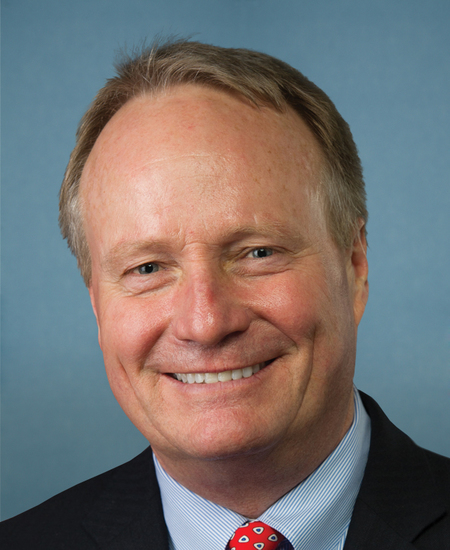
Rep. David P. Joyce
Sponsored bills
Maddy summaryH.Res. 1320 is a non-binding resolution that calls on all Americans to honor military personnel who died while serving in the pursuit of freedom and peace on Memorial Day 2026. The bill does not create new laws or change any policies; instead, it serves as a formal expression of gratitude and remembrance from the House of Representatives. Because it is a commemorative resolution rather than a procedural or funding measure, it has no direct legal effect on individuals or government operations.
Maddy summaryHRES 1314, the America 250 Commemorative Flag Act, designates a special flag featuring the number 250 within the circle of stars as an official United States flag for the 250th anniversary of the Declaration of Independence. This resolution authorizes the America 250 flag to be flown alongside the national flag and POW/MIA flags at all government buildings, embassies, and official U.S. locations worldwide during the commemoration year. The bill serves as a ceremonial measure to honor the nation's history and the sacrifices made by patriots, without altering any existing laws or policies.
Maddy summaryThe Recycling Infrastructure and Accessibility Act of 2025 establishes a competitive federal grant program to fund projects improving recycling access in underserved communities. It authorizes $30 million annually (2025-2029) for grants to states, local governments, tribes, or public-private partnerships to build infrastructure like transfer stations, expand curbside collection, or reduce transport costs. Grants must be $500,000-$15 million, with 70% reserved for projects in communities lacking a materials recovery facility within 75 miles. The program requires grantees to report on implementation and outcomes, excluding funding for recycling education.
Maddy summaryH.R. 1295 is a non-binding resolution that expresses support for designating May 17, 2026, as DIPG Awareness Day to highlight diffuse intrinsic pontine glioma, a rare and aggressive brain tumor affecting children. The bill aims to increase public awareness of this condition and encourage research into treatments and cures for pediatric cancers. It calls on the public to learn more about DIPG and urges both government and private funding sources to consider the high mortality rates and lost life years associated with the disease when allocating research grants.
Maddy summaryThis bill would amend federal law to strengthen penalties for organized retail crime by expanding definitions of theft to include digital goods, gift cards, and setting a $5,000 aggregate value threshold for charges over a 12-month period. It would establish a new "Organized Retail and Supply Chain Crime Coordination Center" under Homeland Security to coordinate Federal, State, local, and Tribal law enforcement efforts against cross-jurisdictional theft groups. The Center would share information with retailers, transportation companies, and law enforcement agencies, track crime trends, and produce annual reports on organized retail crime. This legislation directly affects retailers, supply chain businesses, and law enforcement agencies, while targeting organized crime groups responsible for a 93% increase in larceny incidents and rising safety concerns for retail employees. The bill aims to address significant financial losses and supply chain disruptions noted in the National Retail Federation's 2023 data.
Maddy summaryThis resolution formally recognizes National Nurses Week, which takes place from May 6 to May 12, 2026, to honor the contributions of nurses to the U.S. healthcare system. The document highlights the vital role nurses play in patient care, public health, and research, noting their status as the largest component of the healthcare profession. By supporting the goals set by the American Nurses Association, the House encourages the public to observe the week with ceremonies and activities that acknowledge the profession's ethical standards and impact on patient safety.
Maddy summaryThis bill, titled the Nursing is a Professional Degree Act, updates federal definitions to classify nursing degrees as professional degrees. It directly affects students pursuing nursing education and the federal financial aid programs that support them. The legislation amends the Higher Education Act to explicitly list nursing degrees, such as the Master of Science in Nursing and Doctor of Nursing Practice, alongside other advanced fields like medicine and law. By making this change, the bill ensures that nursing programs are recognized at the same level as other established professional disciplines within the federal student aid system.
Maddy summaryThis bill expands Medicaid coverage to include services in assisted living facilities for individuals who currently require hospital or nursing home care, provided they meet state income and resource limits. It also modifies the Low-Income Housing Tax Credit to give priority funding to projects that help reduce long-term medical costs for the elderly by offering care in non-institutional settings. Both changes are scheduled to take effect on January 1, 2027, allowing states time to update their laws and plans to comply with the new requirements.
Maddy summaryThis resolution expresses support for designating April 2026 as National Native Plant Month to highlight the importance of indigenous plant species. The measure recognizes that native plants are essential for healthy ecosystems, helping to clean air, filter water, and support wildlife habitats. It also notes the decline of over 200 native plant species due to habitat loss and other environmental challenges. As a symbolic gesture, the bill does not create new laws or funding but serves to raise awareness about conserving these plants.