

Maddy summaryHR 6726 amends housing counseling programs under the 1968 Housing and Urban Development Act to improve oversight and effectiveness. It requires counseling organizations to serve diverse geographic areas (urban and rural) and mandates regular performance reviews by HUD, including evaluating counselors based on borrower default rates for covered loans. The bill also requires HUD to provide foreclosure mitigation counseling to borrowers 30+ days delinquent on FHA, VA, USDA, or similar loans, with costs covered by the Mutual Mortgage Insurance Fund if eligibility rules are met. These changes directly affect HUD-funded counseling agencies, mortgage counselors, and borrowers with specific loan types facing delinquency. The reforms focus on accountability, quality control, and expanding access to foreclosure prevention services.
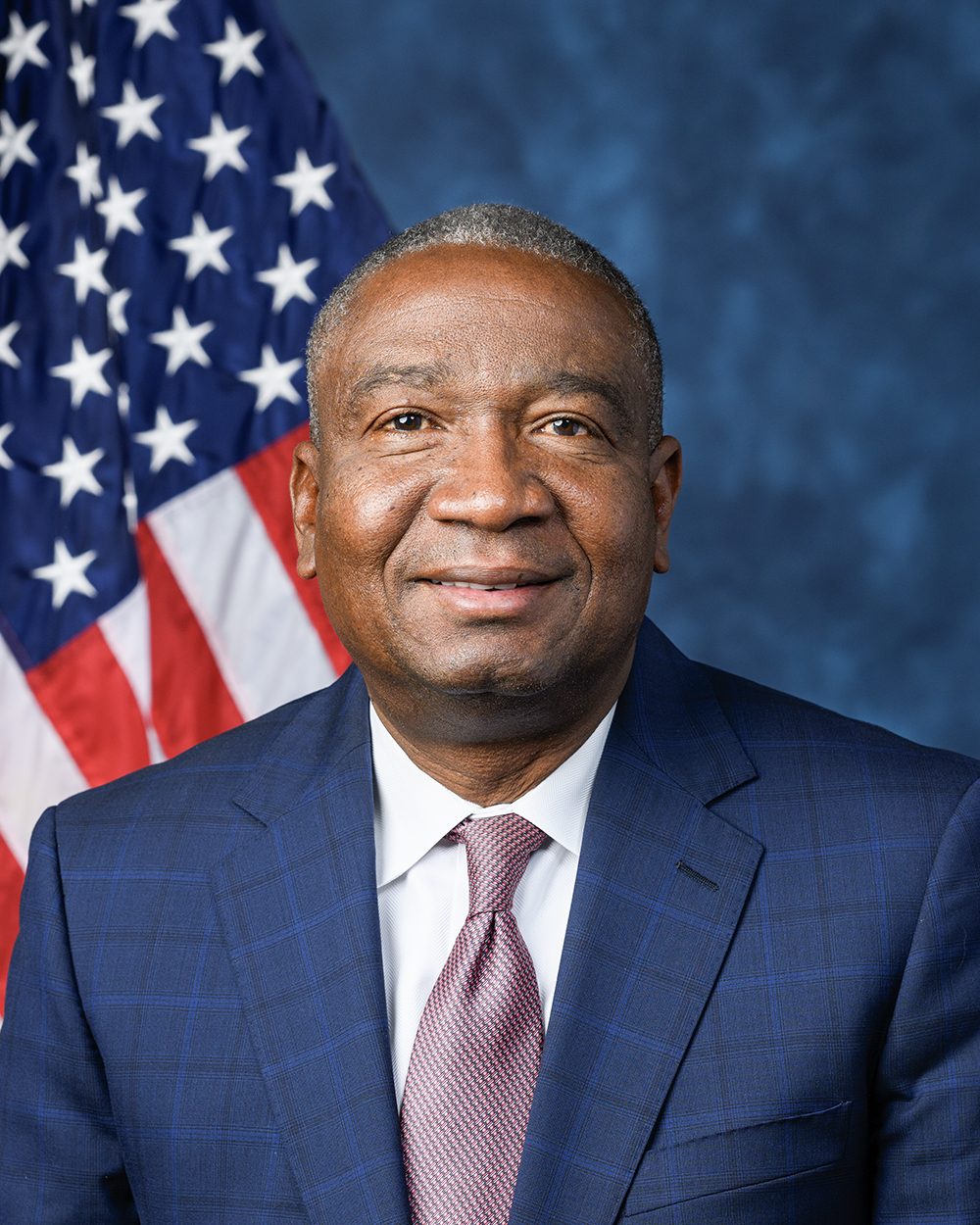
Rep. Cleo Fields
Sponsored bills
Maddy summaryThe Protect America's Workforce Act cancels an executive order issued on March 27, 2025, that excluded certain groups from federal labor-management relations programs, making it legally unenforceable. It also ensures that all collective bargaining agreements between federal agencies and labor unions, which were active as of March 26, 2025, remain fully effective until their agreed terms expire. This directly affects federal agencies, labor unions, and the employees covered by these agreements. The bill prevents federal funds from being used to implement the canceled executive order while preserving existing labor agreements.
Maddy summaryThis bill amends the Higher Education Act to extend the loan limits for graduate and professional students indefinitely. It removes the previous expiration date (June 30, 2026) for these limits, meaning graduate and professional students will continue to have access to the same federal loan amounts without a set end date. The key change modifies Section 455(a) by eliminating the sunset provision and updating the effective date language in the law. This directly affects students pursuing advanced degrees who rely on federal loans for tuition and living expenses. The bill makes a technical adjustment to existing student loan policy without creating new benefits or altering eligibility criteria.
Maddy summaryHR 6634 would establish a refundable tax credit providing $667 per month for each child aged 2-4 who receives early childhood education and lives with the taxpayer. The credit would be reduced for households earning above 300% of the poverty line, with monthly advance payments made directly to eligible families rather than as a yearly tax refund. To qualify, children must be enrolled in an early childhood education program (including licensed private prekindergarten), receive care from the taxpayer, and meet specific residency requirements. The bill includes provisions to prevent fraud, coordinate with other government programs, and adjust payments for inflation starting in 2026, with the credit applying to taxable years beginning after December 31, 2025.
Maddy summaryThis bill increases federal student loan limits for graduate and professional students. Starting July 1, 2026, it sets a $50,000 annual limit and a $200,000 total aggregate limit (beyond undergraduate borrowing) for unsubsidized Federal Direct Stafford loans. These changes directly affect graduate and professional students pursuing advanced degrees who rely on federal loans for education costs. The provisions aim to provide higher borrowing capacity for these students' educational expenses under the Higher Education Act.
Maddy summaryHR 6560, the National Flood Insurance Program Automatic Extension Act of 2025, prevents the National Flood Insurance Program (NFIP) from expiring by automatically extending its core operations until the end of the fiscal year following its terminal year, unless Congress passes new legislation. The bill ensures that existing flood insurance policies remain valid, claims continue to be paid, and the program’s administrative functions operate under the same terms and funding levels in effect before the expiration date. It specifically does not extend temporary programs like pilot projects or commissions with fixed termination dates. This procedural bill directly affects FEMA, policyholders, and insurers by maintaining uninterrupted flood insurance coverage without requiring new congressional action for the extension period.
Maddy summaryThis bill authorizes the placement of a memorial honoring women who supported the U.S. war effort during World War II (including those working as pilots, engineers, and in factories) on federal land in Washington, D.C. It specifies two locations: Area I on the National Mall map or the National Mall Reserve, as defined in existing law. The memorial was previously authorized by Section 702 of the 2023 Consolidated Appropriations Act (Public Law 117-328), and this bill clarifies its permitted locations.
Maddy summaryThe Military in Law Enforcement Accountability Act requires the President to submit detailed justification to Congress before the military provides support to civilian law enforcement, including specific budget, timeline, and funding details, with a 30-day limit on such support unless Congress approves a longer period through a specific joint resolution process. It prohibits Department of Defense personnel (including military members) from holding civilian law enforcement positions concurrently, with limited exceptions for reserve members who must recuse during active duty. The bill also removes the military's authorization to deploy for "civil disturbances" without the new approval process and establishes a private right for individuals or governments to sue the federal government for violations. This directly affects the Department of Defense, military support to local police agencies, and DoD personnel's dual employment policies.
Maddy summaryThis bill provides a one-time $200 monthly payment to eligible Social Security, SSI, railroad retirement, and veterans disability/pension beneficiaries during January-June 2026. It directly affects individuals receiving these specific benefits who reside in U.S. states, territories, or the District of Columbia, with payments delivered through existing benefit channels. Key provisions include treating these payments as non-income for tax and program eligibility purposes, prohibiting double payments for multiple benefits, and ensuring payments cannot be offset or assigned. The payments expire by July 2026, and the bill includes specific administrative funding for implementation.
Maddy summaryHRES 856 is a non-binding resolution expressing the House of Representatives' view that the U.S. Department of Agriculture (USDA) should use its existing contingency funds and interchange authority to fund the Supplemental Nutrition Assistance Program (SNAP) for November 2025. The resolution cites that the USDA holds over $5 billion in contingency funds set aside for emergencies and has legal authority under the Department of Agriculture Organic Act to transfer funds between nutrition programs to maintain SNAP benefits. This would directly support approximately 42 million people relying on SNAP, including 16 million children, 8 million seniors, 4 million people with disabilities, and 1.2 million veterans, preventing disruption during a potential funding gap. The resolution does not create new law but urges the administration to use existing resources to ensure continued food assistance.