

This bill designates the facility of the United States Postal Service located at 86-014 Farrington Highway in Wai'anae, Hawai'i, as the "U.S Representative Colleen Hanabusa Post Office Building".
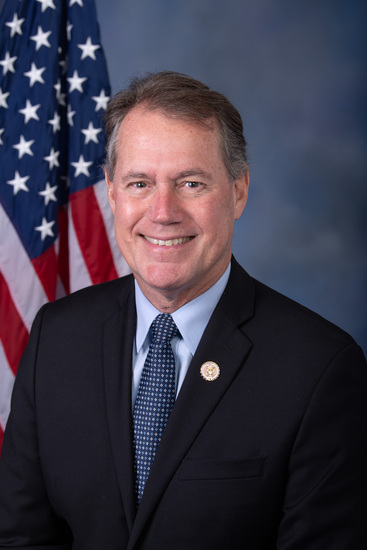
Rep. Ed Case
Sponsored bills
Maddy summaryThe MARA Act of 2026 establishes a new Office of Aquaculture within the National Oceanic and Atmospheric Administration to oversee and promote commercial-scale offshore aquaculture projects in U.S. waters. This new office will coordinate with other federal agencies to streamline the permitting process, develop best management practices based on scientific data, and provide technical assistance and grants to industry stakeholders. The bill authorizes the issuance of permits for demonstration projects that must use native species, minimize environmental risks, and prioritize the safety of existing fishing and navigation activities. Additionally, the legislation mandates two major studies: one by the National Academies to evaluate the scientific basis for regulating offshore aquaculture and another by the Government Accountability Office to assess the economic and regulatory viability of the industry over time.
Maddy summaryThe AADAPT Act reauthorizes and expands Project ECHO grants to improve Alzheimer’s and dementia care through technology-enabled training. It specifically funds grants for healthcare providers in rural, frontier, or medically underserved areas to enhance early diagnosis, quality care, and provider retention for dementia patients. The bill authorizes $1 million annually (2027-2032) for these dementia-focused training programs, requiring funds to supplement - not replace - existing resources. This directly supports primary care providers licensed to serve underserved communities, using collaborative online learning to address care gaps.
Maddy summaryThis bill requires Medicare Advantage plans to implement electronic pre-approval systems for medical services by 2028 and meet transparency reporting standards starting in 2027. Plans must publicly report data on approval/denial rates, appeal outcomes, response times, and technology use for pre-approval requests, including details on how denials relate to clinical criteria. It establishes a 24-hour response timeframe for certain requests and mandates annual reviews of pre-approval requirements based on data and input from seniors and providers. The law directly affects Medicare Advantage plans, seniors enrolled in these plans, and healthcare providers who submit pre-approval requests. These changes aim to make the pre-approval process faster, more transparent, and more accountable for seniors seeking covered medical services.
Maddy summaryThe MARA Act of 2026 establishes a new Office of Aquaculture within NOAA to oversee and promote commercial-scale offshore aquaculture projects in U.S. waters. This bill authorizes the issuance of permits for demonstration projects that must use native species, adhere to strict environmental safety standards, and minimize impacts on existing fishing and navigation. To support industry growth, the legislation creates funding for workforce training programs, establishes Aquaculture Centers of Excellence at specific universities, and mandates a unified permitting process to streamline federal approvals. Additionally, the act requires comprehensive studies and reports to assess the long-term environmental viability, economic benefits, and regulatory effectiveness of offshore aquaculture operations.
Maddy summaryThis bill amends the Small Business Act to establish a "Rule of Two" for federal contracts. It requires contracting officers to reserve contracts over the simplified acquisition threshold for small businesses if they reasonably expect two or more small businesses can compete and offer a fair market price. The law directly affects federal agencies and small business contractors by changing how government contracts are awarded. It ensures small businesses have a clear opportunity to compete for eligible contracts without requiring them to be the sole source.
Maddy summaryHRES 1405 is a non-binding resolution that encourages the U.S. House of Representatives to recognize June as LGBTQIA+ Pride Month. The document acknowledges the historical significance of events like the Stonewall Inn uprising and highlights the ongoing struggle for equality faced by lesbian, gay, bisexual, transgender, queer, intersex, and asexual individuals. It includes a detailed list of historical milestones and legislative achievements related to LGBTQIA+ rights to provide context for the celebration. Because this measure is a resolution of recognition rather than a law, it does not create new legal obligations or change federal policy.
Maddy summaryThis bill amends a 19th-century law to allow state and local governments to impose taxes on cruise ships and their passengers or crew when they dock in U.S. ports. It defines a cruise ship as any vessel that stops at a U.S. port and charges a fee for lodging, such as a cabin or living quarter. The legislation also clarifies that non-federal entities have the authority to collect these specific taxes under existing constitutional provisions.
Maddy summaryThis resolution commemorates the 70th anniversary of the United States Forest Service Institute of Pacific Islands Forestry, which has operated since 1956 to support tropical forest research in the Pacific region. The bill recognizes the institute's work in wildfire management, invasive species control, and ecosystem conservation, highlighting its role in providing scientific data for land restoration and climate resilience. It also acknowledges the importance of the institute's location on Hawaii Island and reaffirms congressional support for its ongoing operations and dedicated staff.
Maddy summaryThe Pacific Islands Liaison Initiative Act creates a new program within the Department of Homeland Security to strengthen law enforcement ties with Pacific Island nations. This initiative will deploy U.S. personnel to Honolulu and Guam to conduct joint operations, provide training, and share resources to help local countries fight transnational crime. The program is authorized to receive $5 million annually from 2027 through 2034 and requires the agency to submit yearly reports to Congress on its activities and funding.