

Maddy summaryHR 5205, the Aircraft Noise Reduction Act, gives general aviation airports (smaller, noncommercial airports) new authority to adjust flight paths and training patterns to reduce noise for nearby communities. Airport operators can request these changes from the FAA, which must consult with them and consider community input, without risking loss of federal funding. The bill requires the FAA to update its regulations to support these noise-reduction measures at such airports. It does not create new noise standards but provides a mechanism for airports to implement existing noise limitations through operational adjustments. This directly affects residents near general aviation airports and the airports themselves.
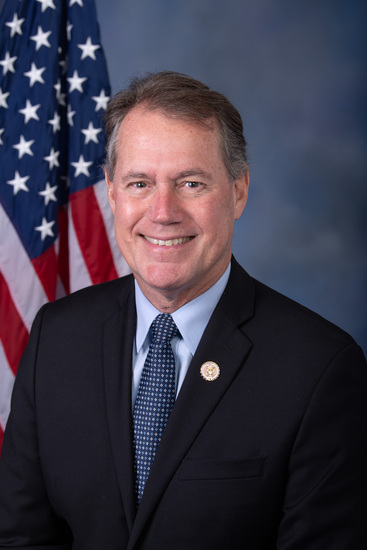
Rep. Ed Case
Sponsored bills
Maddy summaryThis bill increases federal funding for Impact Aid, which supports school districts that serve students on federal property (like military bases) or have high numbers of children with disabilities. It authorizes specific annual funding amounts for four key areas: payments for federal property acquisition, basic support for heavily impacted districts, aid for children with disabilities, and school construction. The funding grows incrementally each year from 2026 through 2031, with total annual amounts rising from $85 million to $250 million for property payments, and from $1.49 billion to $2.35 billion for basic district support. This directly affects school districts in communities with significant federal land or federal facility presence.
Maddy summaryThe REACT Act directs FEMA to provide technical and financial support to state, local, and tribal emergency management authorities to improve their alert systems. It requires funding for community exercises, clear role definitions in alert chains, standardized message templates based on research, and metrics to measure system effectiveness. The bill mandates annual reports tracking training participation, system coverage, public feedback, and opt-out rates, with $30 million annually allocated from 2025-2035. It does not require specific alert systems but focuses on enhancing coordination and public understanding of existing emergency alerts. The program expires after 10 years.
Maddy summaryHR 2808, the Homebuyers Privacy Protection Act, restricts how consumer reporting agencies share credit reports during mortgage applications. It prevents agencies from sending these reports to third parties unless the request is tied to a firm credit offer and the recipient has either the homebuyer’s explicit written consent or is directly involved in the mortgage (like the lender, loan servicer, or the homebuyer’s bank holding an active account). This directly affects homebuyers applying for residential mortgages by limiting unsolicited sharing of their credit information. The law amends the Fair Credit Reporting Act to strengthen privacy protections around mortgage-related credit data.
Maddy summaryThis resolution (HRES 677) is a formal statement by the House of Representatives affirming the Federal Reserve's independence from political influence. It specifically supports Chairman Jerome Powell and the Board of Governors in making monetary policy decisions based on economic data, not political pressure. The resolution urges the President and executive branch to respect the Fed's statutory independence and avoid actions or rhetoric that could undermine its credibility. It emphasizes that maintaining this independence is critical for economic stability, price control, and global confidence in U.S. financial markets.
Maddy summaryThe Quiet Communities Act of 2025 reestablishes the Environmental Protection Agency’s Office of Noise Abatement and Control, which was defunded in 1982. This office will provide grants to states for local noise control programs, conduct national research on noise health impacts, develop public education materials, and create regional technical assistance centers. The bill authorizes $25 million annually (2026-2030) to fund these activities, directly supporting communities affected by noise pollution - particularly the estimated 28 million U.S. residents with hearing impairments linked to noise exposure. It emphasizes state/local solutions, market incentives, and coordination with other agencies to address noise from aircraft, traffic, and other sources.
Maddy summaryThe PARTNER Act (HR 4490) authorizes the U.S. President to extend diplomatic privileges and immunities to five international organizations: the Association of Southeast Asian Nations (ASEAN), CERN (European nuclear research group), the Pacific Islands Forum, the Caribbean Community, and the African Union. It modifies existing law to allow these organizations to receive the same diplomatic protections as other international bodies the U.S. collaborates with under treaties or congressional authorization. The bill does not create new policy but adjusts legal authority for diplomatic recognition, affecting how these organizations interact with U.S. government operations. This is a procedural change, not a substantive policy shift, and applies only to diplomatic privileges, not other forms of engagement.
Maddy summaryThis bill streamlines defense cooperation between the U.S., Australia, and the United Kingdom under the AUKUS security pact. It removes bureaucratic barriers by allowing direct reexports of U.S. defense articles between these governments without presidential consent, and eliminates certification requirements for commercial technical assistance agreements with Australia or the UK. Key provisions include exempting authorized transfers (including intra-governmental and entity-level movements) from certain export controls and Foreign Assistance Act rules. The changes specifically target defense-related items and services shared among the three nations, reducing administrative hurdles for military collaboration. This affects U.S. defense exports, Australian and UK government entities, and authorized defense contractors involved in AUKUS partnerships.
Maddy summaryHR 5027, the Ban Harmful Food Dyes Act, prohibits the use of 11 specific artificial food dyes (including Red 40, Yellow 5, Blue 1, and Titanium Dioxide) in all food products starting January 1, 2027. The bill directly affects food manufacturers and the products they sell, such as candies, beverages, and processed foods containing these dyes. It reclassifies the listed dyes as "adulterated" under existing food safety law, meaning they cannot be legally added to food after the 2027 deadline. The law also bans any additives substantially similar to the listed dyes, creating a clear deadline for industry compliance.
Maddy summaryThis bill (HJRES 115) terminates a presidential emergency declaration made on August 11, 2025, which claimed a "crime emergency" in Washington, D.C. It directly affects the District of Columbia by ending federal restrictions that prevented D.C. from using $1 billion in locally-raised funds for public safety, law enforcement, fire services, and schools. The resolution cites that the emergency declaration was legally flawed - section 740 of the DC Home Rule Act does not permit federalizing the Metropolitan Police Department - and notes that D.C. violent crime has reached a 30-year low. The bill formally ends the emergency under the DC Home Rule Act, restoring D.C.'s authority over its own budget and public safety resources.