

Maddy summaryThe GPS Modernization Acceleration Act directs the President to speed up the transition to a more secure and resilient Global Positioning System by updating aging satellites and ground control systems. This legislation requires the creation of a clear timeline to deploy 24 new GPS IIIF satellites and prioritizes the L5 signal to improve accuracy and reduce vulnerability to interference, jamming, or spoofing. It mandates coordination between the Department of Defense, the Department of Transportation, and other federal agencies to upgrade military equipment and protect critical civilian infrastructure. Additionally, the bill requires the Secretary of Defense to submit annual reports to Congress detailing progress, funding needs, and strategies for countering GPS threats over a three-year period.
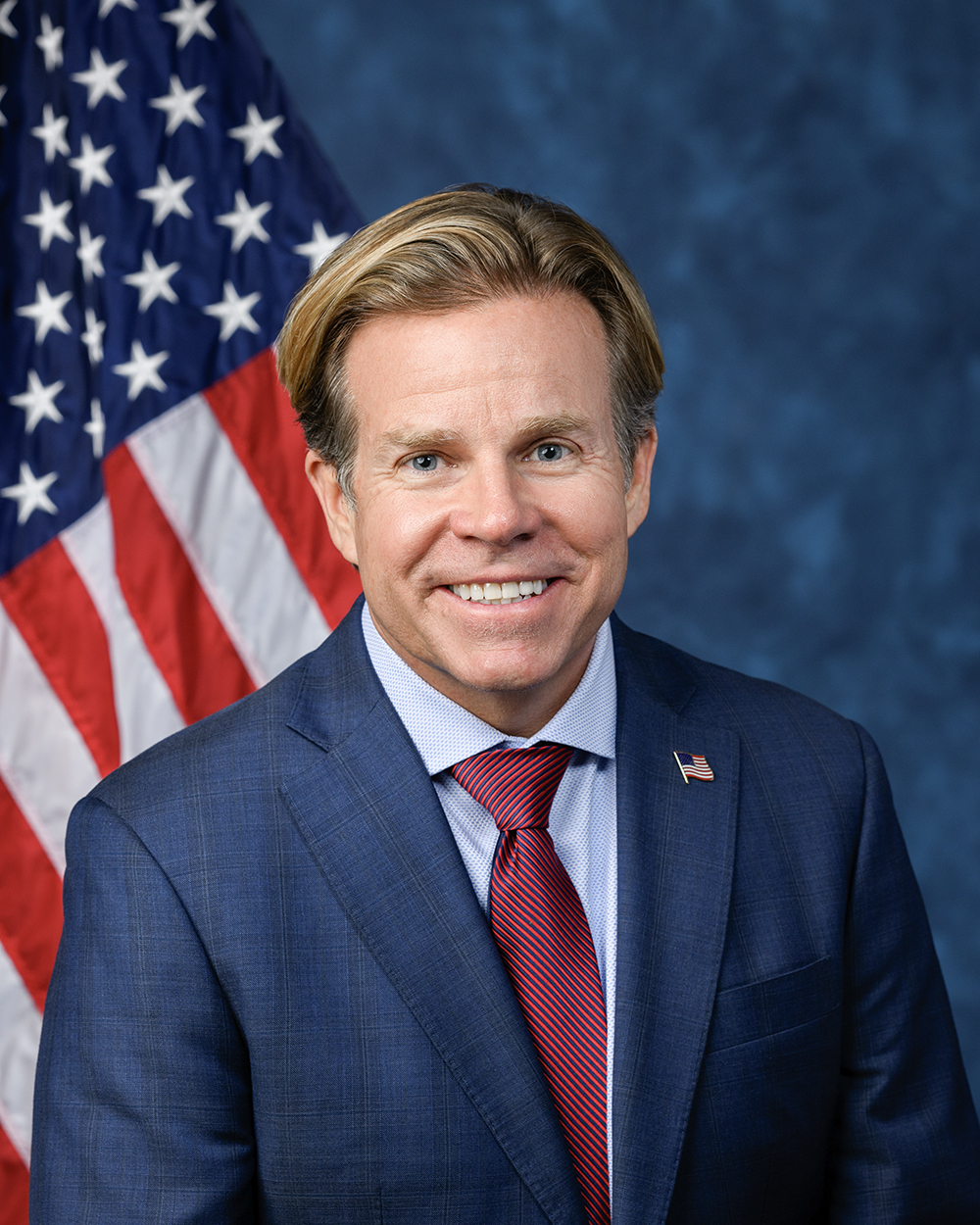
Rep. Mike Haridopolos
Sponsored bills
Maddy summaryThe Main Street Capital Access Act reduces regulatory burdens for smaller banks, particularly those with less than $10 billion in assets. Key provisions include a 3-year phase-in period for new banks to meet capital requirements, lower leverage ratio requirements for rural banks (7.5% for the first 2 years), and a 30-day review process for business plan deviations. The bill also establishes an Office of Independent Examination Review, sets specific timelines for examinations (270 days) and reports (90 days), and creates a "least cost exception" for bank resolutions to prevent excessive concentration of the banking system. These changes aim to promote new bank formation, improve regulatory efficiency, and support community banking while maintaining financial stability.
Maddy summaryHR 6213, the Heat Workforce Standards Act of 2025, prohibits the U.S. Department of Labor from finalizing, implementing, or enforcing OSHA's proposed "Heat Injury and Illness Prevention" standard (published August 30, 2024). This bill directly blocks the specific regulatory proposal targeting heat safety in both outdoor and indoor work settings. It does not create new requirements or affect workers; it solely prevents the implementation of the existing OSHA proposal. The bill is procedural, focusing on halting a regulatory action rather than establishing new policy.
Maddy summaryHR 2715, the *Destruction of Hazardous Imports Act*, expands the authority to destroy imported goods that pose public health risks. It amends the Federal Food, Drug, and Cosmetic Act to allow the Secretary of Health and Human Services to order the destruction of any refused import (not just drugs or devices) if it presents a significant health concern. The bill also prohibits the unauthorized movement, sale, or export of such refused goods. These changes apply to importers of hazardous refused articles 180 days after enactment, with the FDA required to finalize implementing regulations within 90 days.
Maddy summaryHR 1266, the Combating Illicit Xylazine Act, adds xylazine - a veterinary sedative increasingly found in illicit drug mixtures - to Schedule III of the Controlled Substances Act, regulating its use and trafficking. It directly affects veterinarians, animal owners, and manufacturers by allowing xylazine to be legally dispensed for animal use under specific veterinary prescriptions, while prohibiting non-veterinary human use. The bill includes transition periods (60 days for practitioners, 1 year for labeling) to ease compliance for manufacturers and practitioners, and requires the DEA and FDA to expedite necessary applications. It also mandates two congressional reports on xylazine's illicit use and trafficking patterns, and directs the Sentencing Commission to review penalties for offenses involving xylazine.
Maddy summaryThis resolution supports designating July 20, 2026, as "National Moon Landing Day" to honor the historic Apollo 11 mission and the ongoing Artemis program. The bill encourages Americans to celebrate the achievements of NASA astronauts, engineers, and scientists while honoring those who lost their lives during space exploration efforts. It also aims to inspire young people to pursue careers in STEM fields and promote public awareness of the economic and scientific benefits of human spaceflight.
Maddy summaryThe FORMULA Act of 2026 requires the U.S. Food and Drug Administration to set strict limits on contaminants in infant formula, including heavy metals, microplastics, and synthetic pesticides. Manufacturers must test their products to meet these new standards and keep records of their testing for at least two years after the formula's shelf life expires. The law also mandates that the FDA report annually to Congress on any violations and the progress made in reducing contaminant levels in the domestic supply chain. These regulations will take effect 180 days after the bill is signed into law.
Protecting Privacy in Purchases Act This bill prohibits payment card networks from using merchant codes that distinguish firearms retailers from general-merchandise retailers or sporting-goods retailers. The Department of Justice must enforce this bill and report annually on the resulting investigations and cases.
Maddy summaryThe Sunshine Protection Act of 2025 would make daylight saving time permanent across the United States, ending the current practice of changing clocks twice yearly. It repeals the 1966 law requiring seasonal time changes and adjusts time zone offsets to reflect permanent daylight saving time (e.g., shifting from "4 hours" to "3 hours" in historical references). States that currently opt out of daylight saving time (like Arizona and Hawaii) would retain their existing arrangements, while all other states would adopt permanent daylight saving time unless they choose to stay on standard time. This change would directly affect all U.S. residents by eliminating the need to reset clocks in spring and fall.
Maddy summaryThe TOTAL Screen Time Act directs the National Institute of Standards and Technology to create a voluntary technical standard that allows parents and guardians to set screen time limits across various devices like phones, tablets, and computers. This standard must protect the privacy of minors by avoiding centralized data collection and unnecessary data sharing between devices while maintaining device cybersecurity. The bill requires the NIST Director to consult with government agencies, device developers, medical professionals, and advocacy groups before establishing the standard. Additionally, the Director must submit regular reports to Congress and the public detailing the progress of developing and adopting this standard until 2032.