

Maddy summaryThis resolution (HRES 820) is a symbolic measure supporting the designation of the week beginning October 12, 2025, as "National Wildlife Refuge Week." It does not create new policies or affect any specific groups directly; instead, it urges the House to formally recognize and encourage observance of this week. The resolution highlights the National Wildlife Refuge System's role in conserving habitats, supporting biodiversity, and contributing to local economies through recreation. It emphasizes the system's value for wildlife conservation, public access, and community engagement, but the resolution itself only involves the House's supportive statement.
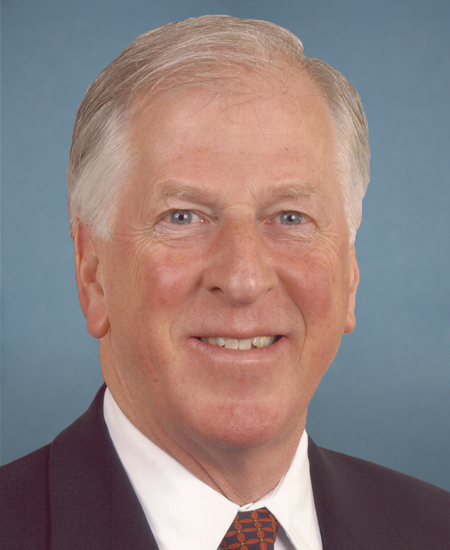
Rep. Mike Thompson
Sponsored bills
Maddy summaryThis resolution (HRES 813) is a non-binding symbolic measure urging the American public to observe October 2025 as Italian and Italian American Heritage Month. It recognizes the historical contributions of Italian and Italian American people to the U.S. in fields like science, arts, and public service, and encourages communities to celebrate their cultural heritage through events. The resolution does not create new laws or requirements, but formally acknowledges their impact on American society. It was introduced by multiple House members and referred to the Committee on Oversight and Government Reform.
Maddy summaryThis bill increases federal funding for school meal programs by adding 45 cents per lunch and 28 cents per breakfast served by school food authorities, effective November 1, 2025. The additional reimbursement applies to all meals served, including free, reduced-price, and paid meals, and will be adjusted annually for inflation starting July 1, 2026. It directly affects public schools and school districts participating in the National School Lunch and Breakfast Programs by boosting their per-meal funding. The policy change aims to support meal quality and accessibility without altering eligibility requirements or program administration.
Maddy summaryThis resolution requires the House of Representatives to hold daily meetings and recorded attendance checks during government shutdowns. Members must electronically confirm their presence each day via a "quorum call," with fines of $500 for a first offense and $2,500 for repeat failures. Fines cannot be paid using campaign or official funds, and the rules apply to all House members, including delegates and the Resident Commissioner. The bill aims to ensure continuous House operations during shutdowns but does not alter the cause or duration of shutdowns.
Maddy summaryHR 5705 requires the federal government to reimburse state agencies for funds they use to maintain participation in the WIC program during a government shutdown. It directly affects states that cover WIC costs using their own money when federal funding lapses. The bill establishes a process where states can seek reimbursement from the federal government after the shutdown ends. This ensures states aren’t burdened with costs for a federal funding gap that impacts nutrition assistance for women, infants, and children.
Maddy summaryHRES 786 is a symbolic resolution designating September 30, 2025, as "Impact Aid Recognition Day" to commemorate the 75th anniversary of the Impact Aid program. It does not create new policies or funding but formally recognizes the program's history and purpose. The resolution highlights that Impact Aid reimburses local schools for revenue losses due to tax-exempt federal properties (like military bases or tribal lands), serving over 8 million students across 1,100 school districts. It emphasizes bipartisan support for the program since its 1950 establishment and its role in ensuring equitable education access for federally connected children. The resolution has no binding effect beyond the symbolic recognition.
Maddy summaryThis bill adds Medicare coverage for multi-cancer early detection screening tests (blood or biological tests analyzing cell-free DNA) starting January 1, 2028. It directly affects Medicare beneficiaries aged 68 and older (starting in 2028, with the age limit increasing by 1 year annually), requiring tests to be FDA-cleared and deemed reasonable/necessary by the Secretary for early cancer detection across multiple organ sites. Payment will initially match current stool DNA test rates before 2031, then shift to a lower rate or new payment system after 2031, with limits preventing more than one test per year. The bill explicitly states it does not alter coverage for existing cancer screenings like breast, colorectal, or prostate cancer tests.
Maddy summaryThis bill ensures federal firefighters continue receiving pay and benefits during government funding gaps and shutdowns. It authorizes continuing appropriations for firefighter pay during any period without full-year funding for fiscal year 2026, and prohibits layoffs due to reduction-in-force actions during funding lapses. The law directly affects firefighters employed by executive agencies or military departments whose primary duties involve fire control and extinguishment. Key provisions guarantee job security and pay continuity without requiring new legislation during budget implementation delays.
Maddy summaryHR 5655, the "No Shame at School Act of 2025," requires schools to eliminate stigma around unpaid meal fees for students. It mandates that school districts automatically certify eligible students for free/reduced meals (replacing "may" with "shall"), prohibits physical segregation or public identification of students with unpaid fees (like special tokens or name lists), and bans withholding grades or activities due to meal debt. The bill also prevents schools from using debt collectors for meal fees and requires adjustments to past meal claims when eligibility is later confirmed. This directly affects schools, local educational agencies, and students from households with outstanding meal fees.
Maddy summaryThis bill establishes a federal grant program to help low-income homeowners and affordable housing owners adapt properties to climate-driven hazards like flooding and wildfires. It authorizes $250 million annually (2026-2031) for states, tribes, and Native Hawaiian organizations to fund resilience projects for eligible property owners, defined as those at or below 300% of the federal poverty level in high-risk areas. Key provisions require grants to cover natural solutions (e.g., ecological landscaping), prohibit rent increases for two years on funded properties, and mandate resident relocation protections for multifamily buildings. The program mandates adherence to federally developed resilience standards and includes reporting requirements to ensure funds are used effectively. It directly affects vulnerable households in climate-threatened communities who cannot afford property adaptations on their own.