

Maddy summaryHR 6088, the *Restoring Food Security for American Families and Farmers Act of 2025*, repeals specific sections (10101-10108) from a prior reconciliation law. This action revives previous provisions related to food security programs that were modified by those repealed sections. The bill directly affects federal food assistance and agricultural support programs by restoring their prior legal framework. It does not create new policies but reverses recent changes to existing food security measures.
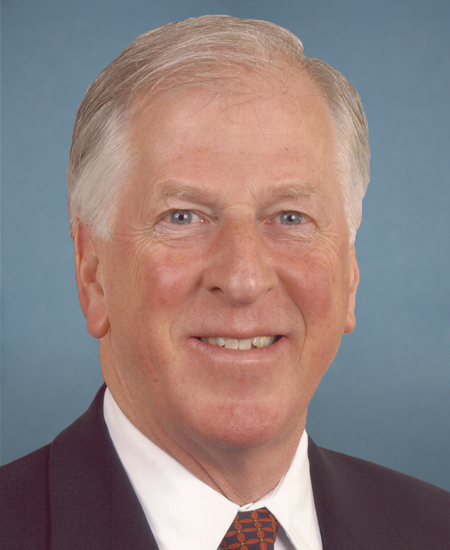
Rep. Mike Thompson
Sponsored bills
Maddy summaryHR 4782, the Local Farmers Feeding our Communities Act, establishes a USDA program to connect local farmers with food distribution networks. It requires eligible entities (like state agriculture agencies) to use funds to purchase unprocessed or minimally processed local foods from covered producers - including at least 25% from small-size, mid-size, beginning, or veteran farmers - while providing technical assistance for food safety and supply chains. The bill allocates $200 million annually (2026-2030) from the Commodity Credit Corporation, mandating 10% for Tribal governments and 1% per state before distributing remaining funds. This directly supports regional food security by boosting economic opportunities for local farmers and improving access to fresh, nutritious food through established distribution channels.
Maddy summaryHR 7016, the "No Funds for NATO Invasion Act," blocks federal funding for any U.S. military invasion of a North Atlantic Treaty Organization (NATO) member country or territory covered by NATO's Article 5 mutual defense clause. The bill prohibits using any federal funds for such invasions and bans U.S. officials from executing these actions. It directly affects U.S. military operations and funding decisions involving NATO members. The law applies to all federal spending, preventing the use of existing budgets for this specific purpose.
Maddy summaryThis concurrent resolution (HCONRES 69) commemorates the 15th anniversary of the January 8, 2011, Tucson shooting that killed six people and injured 13, including former Congresswoman Gabby Giffords. It honors the victims, survivors, and Giffords - now a prominent advocate for gun violence prevention - and recognizes her leadership in promoting civility and reducing gun violence. The resolution also commends Tucson residents and first responders for their resilience and reaffirms Congress’s commitment to respectful dialogue and opposing political violence. As a ceremonial resolution, it does not create new laws or policies.
Maddy summaryThis resolution (HRES 980) commemorates the one-year anniversary of the 2025 Southern California wildfires, which impacted communities like Pacific Palisades and Altadena. It honors the 31 people who lost their lives, commends first responders who fought the fires, and affirms the House's ongoing support for affected communities. The resolution is purely ceremonial and does not create new laws, allocate funds, or change existing policies. It directly affects the Southern California communities devastated by the wildfires and their residents.
Maddy summaryThis resolution (HRES 969) expresses support for designating the week beginning September 8, 2025, as "National Hispanic-Serving Institutions Week." It recognizes colleges and universities with at least 25% Hispanic undergraduate enrollment (known as Hispanic-Serving Institutions or HSIs) and their role in serving diverse, low-income students. The resolution does not create new policies or funding but encourages public observance through ceremonies and activities to honor HSIs’ contributions to higher education access and economic mobility. It applies symbolically to all 615+ HSIs across the U.S. and Puerto Rico.
Maddy summaryThis bill prohibits the use of federal funds for any military action against Venezuela from its enactment date through December 31, 2026, unless Congress either declares war or passes new specific authorization meeting War Powers Resolution standards. It directly affects all federal agencies and military operations that would require funding for actions targeting Venezuela. The key mechanism blocks funding for military force unless Congress explicitly authorizes it through one of two specific pathways. A narrow exception allows actions already compliant with existing War Powers Resolution rules. This is a funding restriction, not a ban on military action itself.
Maddy summaryHR 4611 (EACH Act of 2025) requires all federally funded health programs - including Medicaid, Medicare, military health plans, and the Indian Health Service - to cover abortion services without restrictions, repealing the Hyde Amendment's long-standing ban on federal funding for most abortions. This directly affects millions of people enrolled in these programs, particularly low-income women, women of color (including 25% of Black women and 22% of Hispanic women on Medicaid), and young people. The bill mandates coverage in all federally administered health plans and prohibits state or private insurers from restricting abortion coverage in health insurance. It aims to eliminate current federal and state barriers that deny abortion access to people who rely on government health programs.
Maddy summary# Summary of Proposed Tax Code Amendment This document is a comprehensive proposal for tax code amendments, primarily focused on extending, modifying, and creating new tax credits related to clean energy, energy efficiency, and environmental initiatives. The key components include: ## Housing and Residential Credits - **First-Time Homebuyer Tax Credit**: A refundable credit for first-time homebuyers (Section 13001) - **Renter Tax Credit**: A refundable credit for renters paying more than 30% of their adjusted gross income in rent (Section 13002) ## Clean Energy Credits (Sections 21001-21007) - Extended clean energy production credit with a new phase-out date (2032 or when greenhouse gas emissions reach 25% of 2022 levels) - Extended clean electricity investment credit for wind and solar facilities - Restored credit for wind and solar leasing arrangements - Extended clean hydrogen production credit (construction date reverted to 2033) - Extended residential clean energy credit (termination date moved to 2034) - Reinstated special rate for sustainable aviation fuel (35 cents/ gallon for certain facilities) ## Energy Efficiency Credits (Sections 22001-22004) - Restored product identification number requirement for energy-efficient home improvements - Extended new energy efficient home credit (acquisition date moved to 2032) - Repealed termination of new energy efficient commercial buildings deduction - Restored cost recovery for energy property ## Electric Vehicle and Charging Infrastructure Credits (Sections 23001-23005) - Extended previously-owned vehicle credit (acquisition date moved to 2032) - Extended clean vehicle credit (placement in service date moved to 2032) - Extended commercial clean vehicles credit (termination date moved to 2032) - Extended alternative fuel vehicle refueling property credit (termination date moved to 2032) - Created a new credit for electric bicycles (30% of cost, up to $5,000 per bicycle) ## Clean Infrastructure and Resiliency Credits (Sections 24001-24007) - Created qualifying water reuse project credit (30% of qualified investment) - Created recycling property investment credit (30% of qualified investment with phase-out) - Excluded amounts received from State-based catastrophe loss mitigation programs from gross income - Expanded exclusion for certain emergency agricultural assistance - Created credit for disaster mitigation expenditures (30% of qualifying mitigation activities) - Created qualifying electric power transmission line credit (30% of qualified investment) - Created qualifying advanced battery project credit (30% of qualified investment with $3 billion cap) The proposed amendments generally extend existing credits through 2032-2037, with some credits having phase-out schedules and others having specific termination dates. The document also includes numerous conforming amendments to other sections of the tax code to accommodate these changes.
Maddy summaryThis bill provides tax relief to individuals affected by qualifying disasters. It allows taxpayers to use their previous year's earned income to calculate tax credits like the Earned Income Tax Credit if their 2025 income was reduced by a disaster. The bill temporarily removes limits on charitable contributions for disaster relief, permits penalty-free withdrawals up to $100,000 from retirement plans, and adjusts rules for claiming personal casualty losses related to disasters. These provisions apply to individuals whose principal homes were in designated disaster areas during specific periods. The bill aims to help disaster survivors recover financially by easing tax burdens related to their losses.