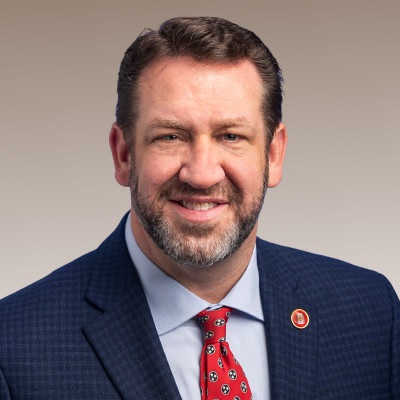
SB 135 allows students with prescribed rescue seizure medication to possess and self-administer it at school or school events under specific conditions. It directly affects students with seizure disorders who require emergency medication, requiring parental authorization, physician instructions detailing dosage and circumstances, and the medication to remain in its original sealed packaging. Schools must maintain these documents on file and notify parents of the school's limited liability (excluding willful misconduct), with parents signing to acknowledge this. The bill takes effect July 1, 2025, and aims to balance student safety with clear administrative requirements.
SB 550 amends Tennessee law to require the Senate Speaker to appoint one medical cannabis commission member as a substance abuse prevention specialist, selected from a list of three names provided by the Prevention Alliance of Tennessee. This change directly affects the medical cannabis commission composition and the Prevention Alliance of Tennessee, which must submit the candidate list. The appointment must occur on or after July 1, 2025, and replaces the previous requirement for this commission role. The bill updates Tennessee Code Annotated, Title 68, Chapter 7, regarding commission membership criteria.
SB 450, the "Savannah Grace Copeland Act," increases funding for Tennessee's child advocacy centers, which serve abused and neglected children across all judicial districts. It requires that any future funding increase for the Department of Children's Services' child protective services must include a 75% corresponding increase for child advocacy center contracts. The bill sets new base contract amounts: $127,855.98 for full centers and $85,000 per forensic child interviewer. These changes take effect July 1, 2025, but require separate legislative appropriations to be implemented. The bill addresses decades of stagnant funding, aiming to support centers that served over 32,000 children in 2024 with forensic interviews, medical exams, and mental health services.
SB 461 establishes licensing and regulatory requirements for anesthesiologist assistants in Tennessee. It requires these professionals to obtain a license from the Board of Medical Examiners, complete specific education and certification, and work exclusively under the supervision of a licensed anesthesiologist who delegates specific duties. The bill defines key terms like "assists" and "supervision," sets continuing education rules, and makes unauthorized practice a Class B misdemeanor punishable by fines or jail time. This directly affects anesthesiologist assistants seeking to practice in Tennessee and the supervising physicians who must oversee their work.
SB 1146 requires county medical examiners to test decedents involved in mass shootings (resulting in four or more deaths) for all drugs, including psychotropic medications used for mental health conditions. It mandates anonymized data sharing with the University of Tennessee Health Science Center and the Department of Health, prohibiting disclosure of identifying information. The health science center must study drug interactions and submit quarterly reports to legislative health committees. The law, effective July 1, 2025, applies to medical examiners, health agencies, and the University of Tennessee, while requiring compliance with privacy laws.
SB 1094, the "Suicide Prevention Act of 2025," creates a voluntary program allowing Tennessee residents to temporarily waive their right to purchase firearms. It directly affects individuals who are either hospitalized for mental health treatment or personally concerned about their mental health. To enroll, participants submit a form to their local court clerk, which triggers the Tennessee Bureau of Investigation (TBI) and Department of Safety to block firearm purchases until the waiver is revoked. Participants can cancel the waiver after 14 days by submitting a revocation form, after which firearm access resumes (unless other legal restrictions apply). The program includes an optional feature where participants can designate "guardian angels" (trusted contacts) to be notified if they revoke the waiver.
HB 717 creates the "Caring for Caregivers Act," establishing a pilot program that provides financial grants to family caregivers of individuals with Alzheimer's disease or related dementia. It directly affects caregivers who provide unpaid care to eligible family members living in private homes (not facilities) and incur eligible expenses like home modifications, medical equipment, or respite care. The program offers up to $6,000 annually per caregiver, with eligibility based on household income not exceeding $37,000 (adjusted annually for inflation) and requiring the care recipient to need assistance with at least two activities of daily living. The pilot runs from July 2025 through December 2028, funded through initial appropriations and dedicated state funds.
HB 484 requires health insurers and TennCare to cover biomarker testing for diagnosis, treatment, or monitoring of diseases starting January 1, 2026. It applies to all health benefit plans (including private insurance) and TennCare plans, mandating coverage when tests are supported by FDA approvals, clinical guidelines, or evidence-based standards. The bill specifies that insurers must approve or deny prior authorization requests within 24-72 hours and provide clear appeal processes for patients. This policy directly affects patients needing biomarker tests (e.g., for cancer treatment) and insurers managing coverage for these tests.
SB 452 amends Tennessee law to allow funds in Achieving a Better Life Experience (ABLE) accounts to be used for non-education expenses, such as housing, transportation, or medical costs, rather than being restricted to education only. It directly affects Tennessee residents with disabilities who use ABLE accounts by aligning state definitions of "disability certification" and "eligible individual" with federal IRS rules. The bill removes the current restriction that ABLE account earnings could only cover education expenses and permits broader use of funds for daily living needs. This change takes effect in 2026 for most purposes, with immediate implementation for rulemaking.
HB 1089 requires courts to order mental health evaluations for defendants convicted of specific abuse-related crimes - including domestic assault, child abuse, aggravated child abuse, or cruelty to animals - before sentencing. The law directs Tennessee's Department of Mental Health to create a process where community mental health centers or qualified professionals conduct these evaluations. It directly affects defendants in these cases and the state's mental health evaluation system, adding a pre-sentencing step to assess potential mental health factors. The bill amends Tennessee Code Sections 39-14-202 and related titles to implement this requirement, effective May 21, 2025.