

Issue · Healthcare
Healthcare
Every healthcare bill, vote, and legislator stance in Tennessee, automatically classified by Maddy, our AI policy reader.
Total bills
553
114th Regular Session (2025-2026)
Top supporter
Jeremy Faison
100% support rate
Top opponent
Justin Jones
19% support rate
Ranked legislators
10
5 support · 5 oppose
Key legislators
Who's moving healthcare in Tennessee
| Legislator | Party | Stance | Support rate | Decisive votes |
|---|---|---|---|---|
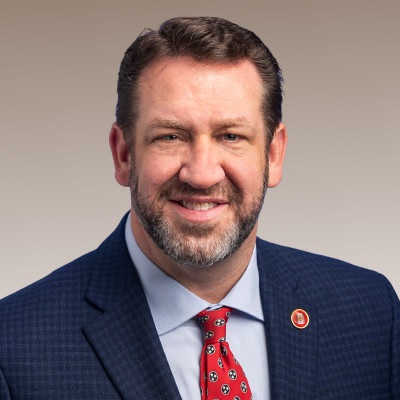
Jeremy Faison
House · District 11
|
R |
Strong +
|
100% | 18 |
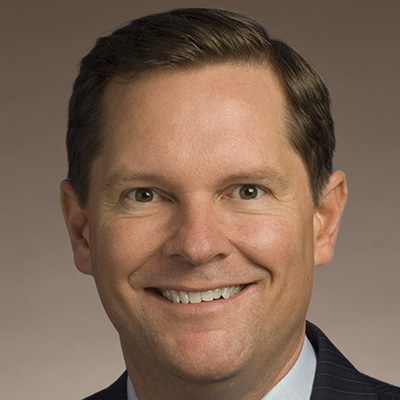
Cameron Sexton
House · District 25
|
R |
Strong +
|
100% | 16 |

Tim Rudd
House · District 34
|
R |
Strong +
|
100% | 15 |

Steve Southerland
Senate · District 9
|
R |
Strong +
|
100% | 12 |
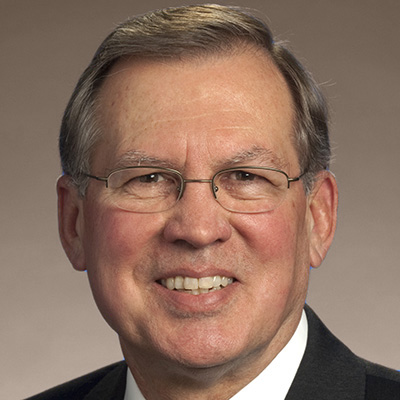
Ferrell Haile
Senate · District 18
|
R |
Strong +
|
100% | 11 |

Justin Jones
House · District 52
|
D |
Strong −
|
19% | 16 |

Gabby Salinas
House · District 96
|
D |
Oppose
|
25% | 20 |
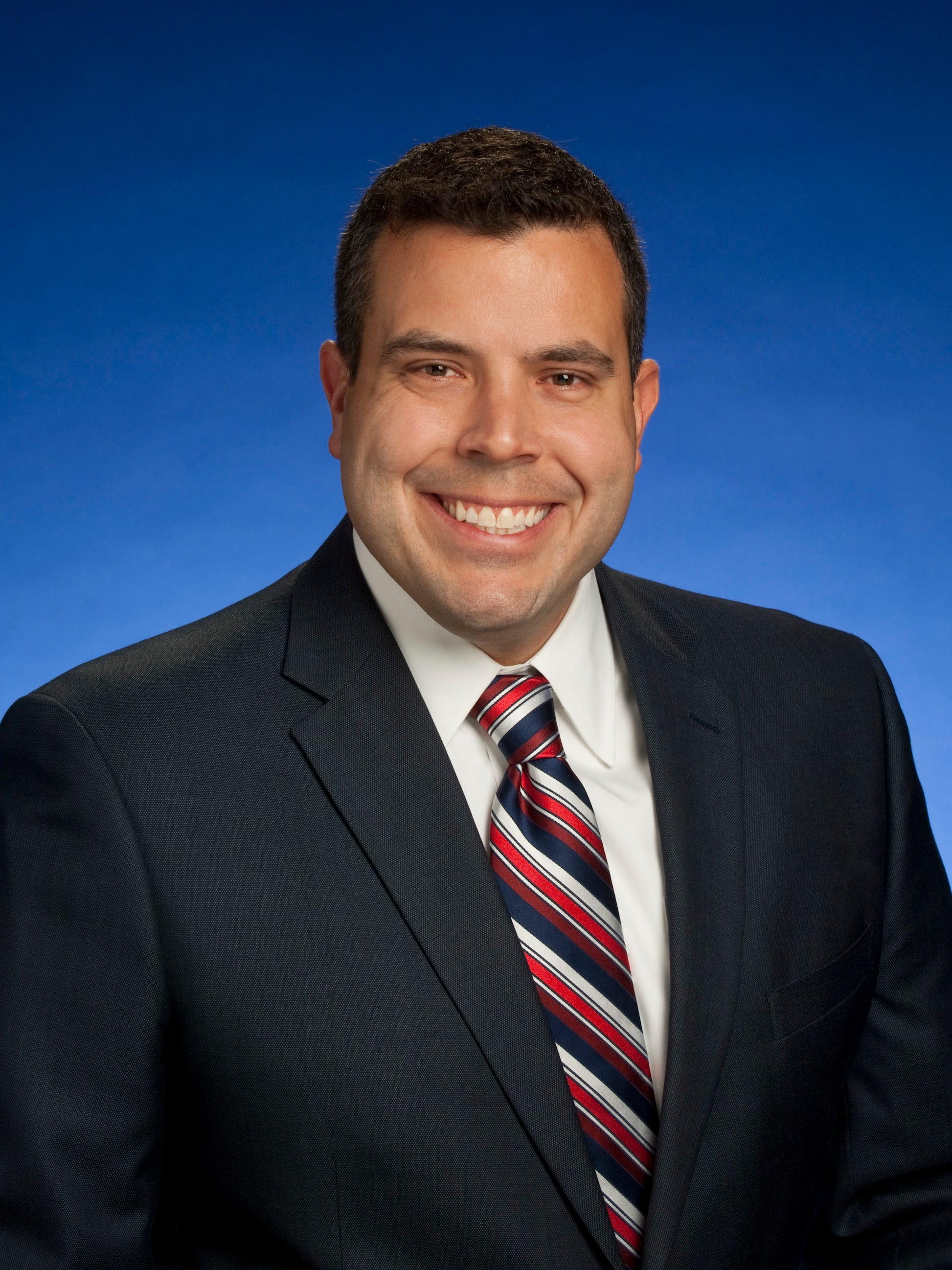
Jason Powell
House · District 53
|
D |
Oppose
|
28% | 18 |

Aftyn Behn
House · District 51
|
D |
Oppose
|
29% | 17 |
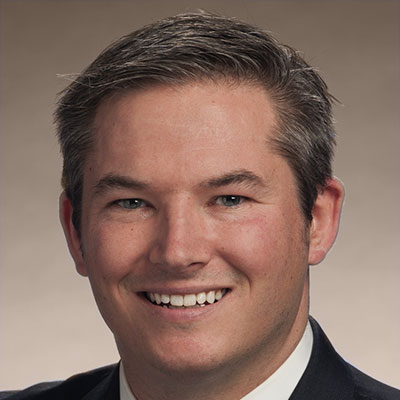
Jeff Yarbro
Senate · District 21
|
D |
Oppose
|
33% | 12 |
Showing 191–200 of 553
bills
All healthcare bills
HB 1646: Insurance, Health, Accident - As introduced, requires health benefit plans entered into, amended, or renewed on or after January 1, 2027, to provide coverage for services related to acquired brain injury; requires the commissioner of commerce and insurance to promulgate rules to provide a process for an expedited appeal of an adverse determination related to such coverage. - Amends TCA Title 8; Title 56 and Title 71.
Sub-Topics
Insurance
SB 1909: Courts - As enacted, removes a conviction for domestic assault from the definition of a violent offender for purposes of drug treatment courts; changes the definition of a violent offender for purposes of drug treatment courts from an offender with a conviction for an offense involving certain acts to an offender with a conviction for a felony offense involving certain acts within the previous 10 years. - Amends TCA Title 16, Chapter 22.
Topics
✓ Criminal JusticeSupports Criminal JusticeRemoves domestic assault convictions from violent offender definition for drug treatment courts, expanding eligibility for rehabilitation programs and aligning with criminal justice reform goals.
✓ HealthcareSupports HealthcareRemoves domestic assault conviction barrier for drug treatment courts, improving access to substance abuse healthcare services.
HB 1866: Insurance, Health, Accident - As introduced, creates the "Regulate Artificial Intelligence (AI) In Health Care Act." - Amends TCA Title 8, Chapter 27; Title 56 and Title 71.
Topics
✓ HealthcareSupports HealthcareRequires licensed healthcare review for AI-driven care denials/delays, protecting patient rights and ensuring human oversight in medical necessity decisions.
✓ TechnologySupports TechnologyMandates human review for AI-driven healthcare decisions, protecting patients from automated errors - aligns with regulating tech for consumer protection in healthcare.
SB 1790: Correction, Dept. of - As enacted, authorizes the department to adopt or amend a formulary for use in the correctional facilities operated by or on behalf of the department. - Amends TCA Title 8; Title 41; Title 53; Title 56; Title 63; Title 68 and Title 71.
Topics
✓ Criminal JusticeSupports Criminal JusticeMandates equal coverage for FDA-approved non-opioid pain meds in correctional settings, promoting rehabilitation and reducing opioid dependency among inmates, aligning with criminal justice reform indicators.
✓ HealthcareSupports HealthcareRequires insurers to treat FDA-approved non-opioid pain meds equally with opioids in coverage, improving patient access to safer alternatives and reducing opioid reliance per healthcare policy goals.
SB 1949: Criminal Offenses - As introduced, enacts the "mRNA Bioweapons Prohibition Act," which prohibits the manufacture, acquisition, possession, or making accessible to others of mRNA injections and products; requires state and local government officials to use all lawful means necessary to investigate or enforce suspected violations; punishes violations the same as manufacturing, acquiring, possessing, or transferring a weapon of mass destruction, which is a Class B felony. - Amends TCA Title 8; Title 14; Title 39; Title 40; Title 53; Title 63 and Title 68.
Topics
✗ Criminal JusticeOpposes Criminal JusticeExpands criminalization by classifying mRNA product violations as Class B felonies (equivalent to WMD offenses), increasing penalties without addressing criminal justice reform priorities.
✗ HealthcareOpposes HealthcareProhibits mRNA-based medical treatments (vaccines, gene therapies) under felony penalties, restricting patient access to healthcare services.
Sub-Topics
Drug Policy
HB 1761: Firefighters - As introduced, requires this state's employee assistance program, including components for mental health and wellness, to be available to all active members of a volunteer fire department and all active volunteer members of a combination fire department; makes various other changes. - Amends TCA Section 8-50-119 and Title 68, Chapter 102.
Topics
✓ HealthcareSupports HealthcareExpands state-funded mental health services to volunteer firefighters via employee assistance program, explicitly requiring coverage for mental health components with state cost coverage.
✓ Labor & EmploymentSupports Labor & EmploymentExpands state-funded mental health benefits to volunteer firefighters, directly enhancing workplace wellness support and access to employee assistance programs.
SB 2032: Employees, Employers - As enacted, requires a public safety employer to provide an employee or prospective employee with reasonable access to the employee's or prospective employee's full employment record, including the results of any mental health evaluation or screening; makes certain other changes relative to employment by a public safety employer. - Amends TCA Title 4; Title 8; Title 38; Title 50; Title 62 and Title 68.
Topics
✓ Criminal JusticeSupports Criminal JusticeBill ensures transparency in mental health evaluations for public safety employment, protecting applicants' rights and promoting fair hiring practices within law enforcement, aligning with accountability reforms.
✓ HealthcareSupports HealthcareBill ensures public safety employees access to mental health evaluation records used in employment decisions, protecting individual rights regarding mental health documentation.
✓ Labor & EmploymentSupports Labor & EmploymentRequires public safety employers to provide access to employment records including mental health evaluations and allows applicants to challenge denials with alternative evaluations, strengthening transparency and due process for workers.