

Issue · Criminal Justice
Criminal Justice
Every criminal justice bill, vote, and legislator stance in Tennessee, automatically classified by Maddy, our AI policy reader.
Total bills
693
114th Regular Session (2025-2026)
Top supporter
Johnny Shaw
77% support rate
Top opponent
Tim Rudd
19% support rate
Ranked legislators
10
5 support · 5 oppose
Key legislators
Who's moving criminal justice in Tennessee
| Legislator | Party | Stance | Support rate | Decisive votes |
|---|---|---|---|---|
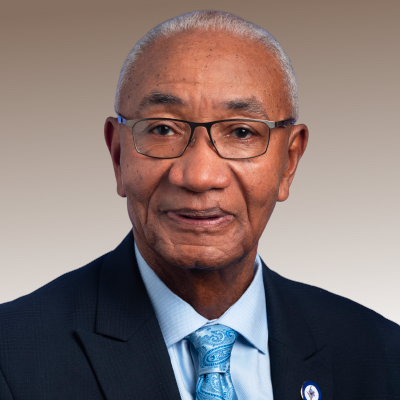
Johnny Shaw
House · District 80
|
D |
Support
|
77% | 56 |

John Clemmons
House · District 55
|
D |
Support
|
76% | 63 |

Harold Love
House · District 58
|
D |
Support
|
75% | 56 |
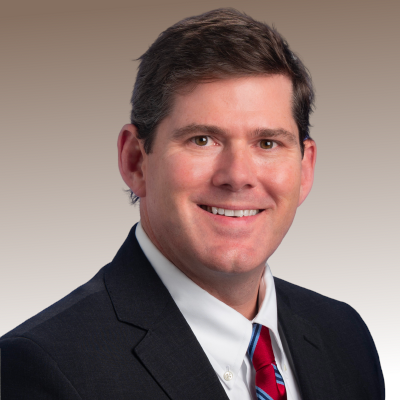
Bob Freeman
House · District 56
|
D |
Support
|
75% | 59 |

Joe Towns
House · District 84
|
D |
Support
|
74% | 73 |

Tim Rudd
House · District 34
|
R |
Strong −
|
19% | 59 |

Chris Todd
House · District 73
|
R |
Oppose
|
24% | 84 |
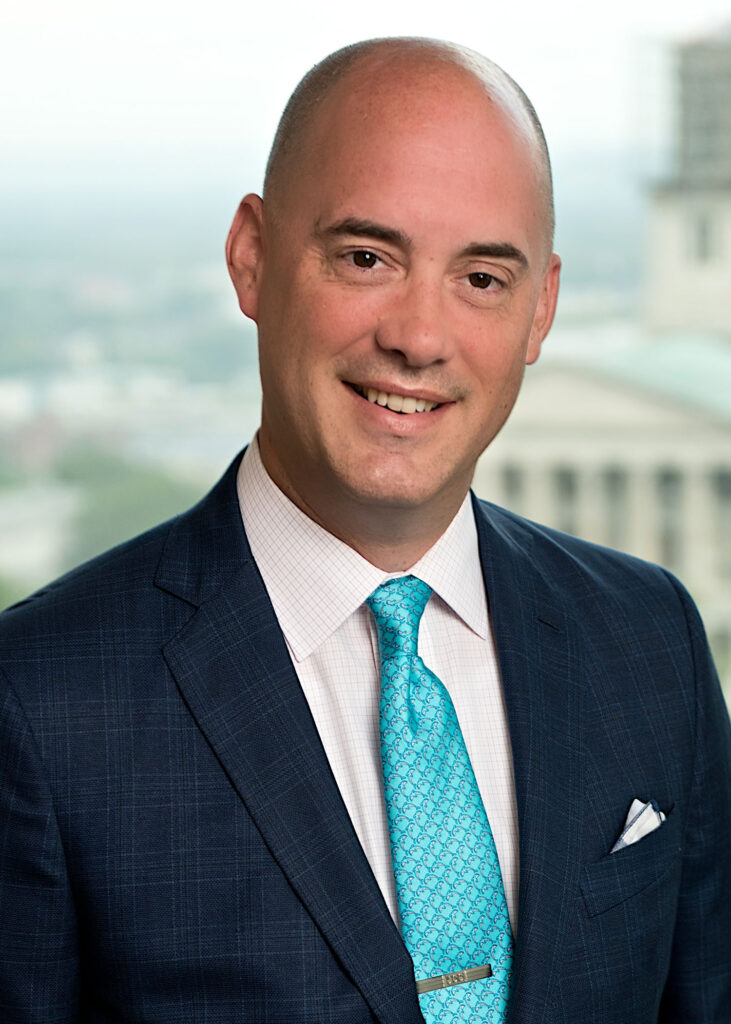
Johnny Garrett
House · District 45
|
R |
Oppose
|
24% | 75 |

Renea Jones
House · District 4
|
R |
Oppose
|
24% | 62 |

Dan Howell
House · District 22
|
R |
Oppose
|
25% | 71 |
Showing 451–460 of 693
bills
All criminal justice bills
SB 1097: DUI Offenses - As enacted, requires the state treasurer to deem a person ordered by a court to use a functioning ignition interlock device to be indigent and unable to pay the costs of the device if the person receives funds from the supplemental nutrition assistance, temporary assistance for needy families, or state medicaid program; removes the requirement that a court determine whether a person asserting inability to pay for a functioning ignition interlock device is indigent; revises other provisions relative to the electronic monitoring indigency fund. - Amends TCA Section 55-10-419.
Topics
✓ Criminal JusticeSupports Criminal JusticeAutomatically deems SNAP/TANF/Medicaid recipients indigent for IID costs, removing court hearings and reducing financial barriers - aligns with criminal justice reform by protecting low-income defendants' rights and promoting fair compliance.
✓ HealthcareSupports HealthcareUses Medicaid eligibility to waive IID costs, preventing financial barriers to healthcare access for beneficiaries.
HB 1343: DUI Offenses - As enacted, requires the state treasurer to deem a person ordered by a court to use a functioning ignition interlock device to be indigent and unable to pay the costs of the device if the person receives funds from the supplemental nutrition assistance, temporary assistance for needy families, or state medicaid program; removes the requirement that a court determine whether a person asserting inability to pay for a functioning ignition interlock device is indigent; revises other provisions relative to the electronic monitoring indigency fund. - Amends TCA Section 55-10-419.
Sub-Topics
Courts
HB 558: Motor Vehicles - As introduced, creates a Class A misdemeanor for a person who is in the United States without legal authorization to operate a motor vehicle without possessing a valid driver license and evidence of financial responsibility; limits the fine for such offense to a maximum of $1,000. - Amends TCA Title 39 and Title 55.
Topics
✗ Criminal JusticeOpposes Criminal JusticeCreates new Class A misdemeanor for undocumented drivers, expanding criminalization without reform measures or protections.
✗ ImmigrationOpposes ImmigrationBill criminalizes undocumented immigrants driving without license/insurance, imposing fines and restricting mobility - directly limiting immigrant activities under state law.
Sub-Topics
Driver Licenses & IDs
SB 407: Criminal Procedure - As enacted, revises the procedure for restoration of rights of citizenship. - Amends TCA Title 2; Title 4; Title 22; Title 36; Title 39 and Title 40.
HB 1038: Courts, Juvenile - As enacted, requires the administrative office of the courts to maintain a criminal justice information services compliant centralized statewide juvenile case management system; requires all juvenile court clerks to adopt and convert to the new juvenile case management system on a schedule to be determined in consultation with the administrative office of the courts; makes related changes. - Amends TCA Title 8; Title 16; Title 18 and Title 37.
SB 635: Criminal Offenses - As introduced, removes the killing of another committed in the perpetration of, or attempt to perpetrate, certain crimes from the elements of first degree murder; deletes the offense of criminal responsibility for conduct of another; deletes the offense of criminal responsibility for the facilitation of a felony. - Amends TCA Title 39, Chapter 11; Title 39, Chapter 12; Title 39, Chapter 13; Title 39, Chapter 14; Title 40, Chapter 24; Title 40, Chapter 35 and Title 40, Chapter 39.
HB 1363: Sentencing - As introduced, permits a person who is serving a sentence of incarceration of eight years or more for an offense committed prior to January 1, 2026, and who is a victim of domestic abuse subjected to substantial physical, sexual, or psychological abuse inflicted by a member of the same family or household as the person to submit to the sentencing court, a request to apply for resentencing. - Amends TCA Title 39 and Title 40.
SB 741: Criminal Offenses - As enacted, creates a criminal offense of possessing, distributing, or producing technology, software, or digital tools designed for the purpose of creating material that includes a minor engaged in sexual activity or simulated sexual activity that is patently offensive; establishes relevant factors to be considered in determining whether artificial technology, software, or digital tools are used or possessed with intent to create material that includes a minor engaged in sexual activity or simulated sexual activity that is patently offensive. - Amends TCA Title 39.
Topics
✗ Criminal JusticeOpposes Criminal JusticeCreates new felonies for digital tools used in child exploitation material, expanding criminalization of related conduct.
✗ TechnologyOpposes TechnologyCriminalizes possession/distribution of technology tools designed for illegal CSAM creation, restricting technology use for harmful purposes rather than promoting tech policy.
Sub-Topics
Drug Policy
SB 304: Evidence - As enacted, permits the introduction into evidence of a video recording of a child victim being interviewed by a forensic interviewer regarding sexual or physically violent contact with the child if the forensic interviewer confirms the accuracy of the recording and the child is available for cross examination; makes other changes relative to forensic interviews. - Amends TCA Title 24, Chapter 7.
Sub-Topics
Courts