

Maddy summaryThis bill (SC 810) is a ceremonial resolution honoring the Hill City School Board for being named the "Outstanding School Board of South Dakota" by the Associated School Boards of South Dakota for 2025. It recognizes their work in improving student achievement, teacher retention, and school culture, including six consecutive years receiving the Gold Level ALL Award. The resolution formally commends the board's efforts in enhancing education within their district. As a commemorative measure, it does not create new laws or affect any policies or funding.
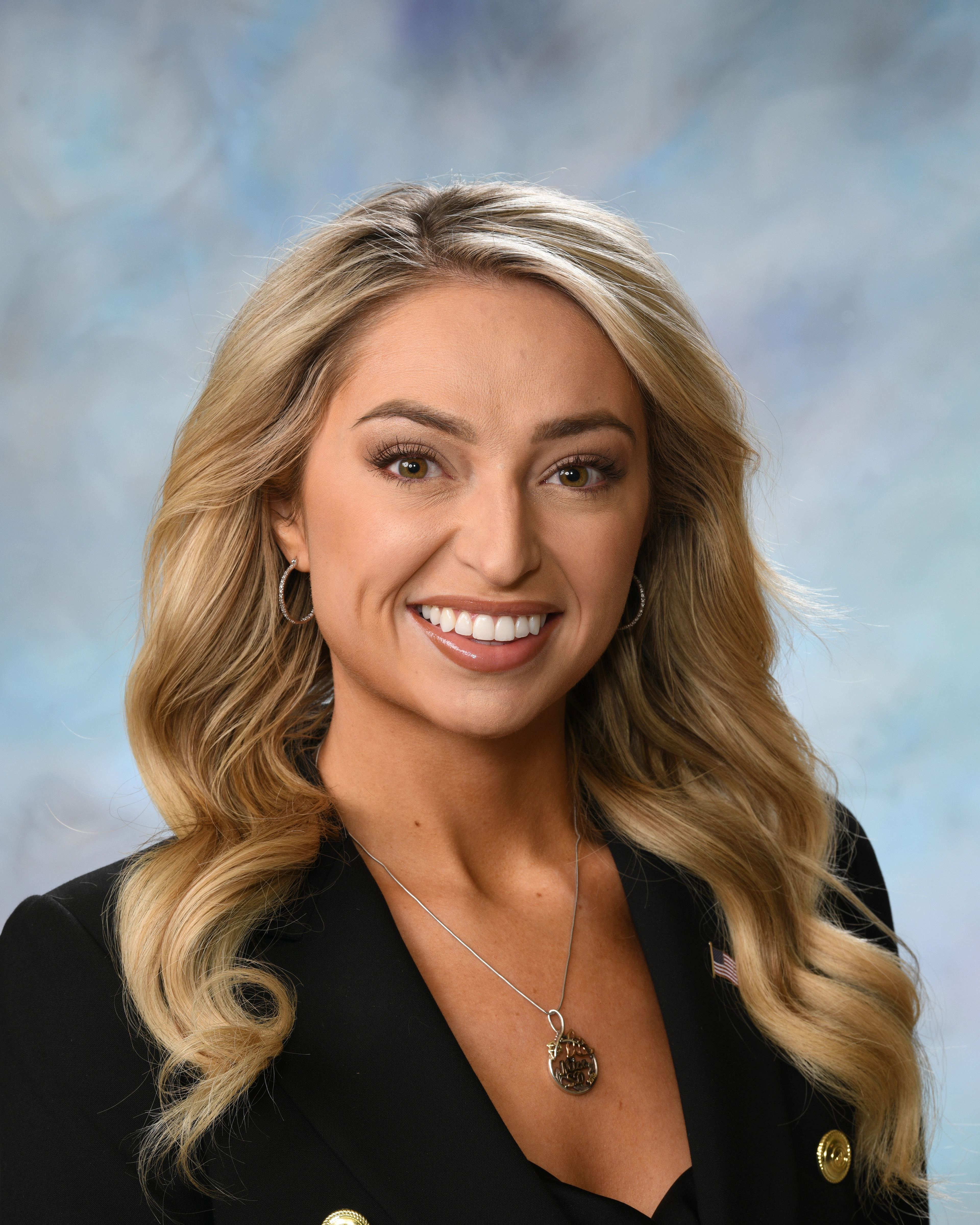
Sen. Amber Hulse
Sponsored bills
Maddy summarySB 158 changes how South Dakota school districts calculate enrollment for state education funding. It specifies that a district's fall enrollment - used to determine aid - must include all K-12 students enrolled on the last Friday of September, plus students the district pays tuition for, minus students it receives tuition for (excluding nonresident students in state care and students in specific special education programs). The bill also defines annual enrollment as the higher of the fall or spring enrollment counts. This directly affects all public school districts receiving state aid for general education by altering their funding calculation base.
Maddy summaryThis House Concurrent Resolution (HCR 6012) is a symbolic gesture honoring the YMCA's 175th anniversary of service across the United States and in South Dakota. It recognizes the YMCA's historical contributions, including founding basketball, providing childcare, and serving over 17 million people annually through programs for youth, families, and communities. The resolution specifically acknowledges South Dakota's YMCA chapters, which serve nearly the entire state with 1,274 staff and 1,000 volunteers. The bill does not create new laws or alter policies; it solely expresses legislative appreciation for the YMCA's community impact.
Maddy summaryHB 1142 requires parties or their lawyers in civil lawsuits to disclose in writing to the court and other parties any third party (including organizations or individuals) who could receive payment based on the case's outcome, along with any related agreements. This disclosure must happen within 10 days of signing such an agreement or at the time of filing the lawsuit, whichever comes later. The bill excludes standard loan repayments (with interest limits) and routine attorney fee agreements from this requirement. It aims to increase transparency in civil cases involving contingent payment arrangements.
Maddy summaryHB 1165 creates two new esthetics licenses (basic and advanced) for skin care professionals in South Dakota, replacing the previous single license. It revises cosmetology and nail technology licensing rules while explicitly exempting natural hair braiders from all licensing requirements. The bill defines specific skin treatments like dermaplaning (using a blade) and microdermabrasion (mechanical exfoliation) as part of the new licensing framework. This directly affects estheticians seeking to perform these treatments, salons offering such services, and natural hair braiders who remain unlicensed under the exemption.
Maddy summarySouth Dakota's SB 12 allows qualifying veterans with certain disabilities (like loss of use of both lower extremities) or their unremarried surviving spouses to request refunds for property taxes paid in the previous four years if they missed the application deadline for an existing property tax exemption. The bill amends tax exemption rules to permit petitions to county commissioners for these refunds, which the commissioners may approve or deny at their discretion. It directly affects veterans and surviving spouses who previously paid taxes they might have qualified to avoid. The refund mechanism applies only to taxes paid in the four years prior to the petition, not future exemptions.
Maddy summarySB 2 amends South Dakota law to clarify that firearm silencers (devices reducing gunshot noise) are not classified as "controlled weapons." This change removes silencers from the category of weapons subject to strict state regulations, such as special permits or licensing requirements. The bill directly affects gun owners, manufacturers, and sellers of silencers in South Dakota by eliminating these regulatory barriers. The key mechanism is an amendment to the definitions section of the state's criminal code (§ 22-1-2), specifically excluding silencers from the definition of "controlled weapon."
Maddy summarySB 5 requires South Dakota to clearly disclose on ballots whether a proposed constitutional amendment or law was initiated by the Legislature or by a citizen petition. The bill amends election laws to mandate that ballot titles for both types of measures must include a specific disclosure: "proposed by the Legislature" for legislative proposals, and "proposed by a citizen-initiated petition" for initiative measures. This disclosure must appear directly after the title and before the attorney general's explanation and fiscal note on the ballot. The law applies to all ballot questions submitted for voter approval, ensuring voters can immediately see the origin of each measure.
Maddy summaryHB 1127 revises South Dakota's regulations for birth centers and certified professional midwives. It requires birth centers to obtain a license from the Department of Health (with a $500 fee), mandates risk assessments to confirm low-risk pregnancies before admission, and requires written care plans addressing each client's medical and emotional needs. The bill also mandates that a practitioner or registered nurse be on-site during active labor and repeals the previous requirement that birth centers be within 30 minutes of a hospital. These changes directly affect birth centers, certified midwives, and patients seeking care at these facilities.
Maddy summarySB 157 amends South Dakota's school funding formula to require using an *average fall enrollment* (instead of enrollment on a single date) when calculating a school district's "local need" for state funding. This directly affects all public school districts in South Dakota by changing how their student enrollment count is determined for funding calculations. The bill replaces the current method - using enrollment on the last Friday of September - with an average, which could stabilize funding by smoothing out seasonal enrollment fluctuations. The change applies specifically to the calculation of "local need" under § 13-13-10.1(32) in the education funding code.