

Maddy summarySB 124 bans the manufacture, sale, and distribution of products containing cell-cultured protein in South Dakota from July 1, 2026, through June 30, 2036. It directly affects food businesses, restaurants, and retailers selling such products, defining "cell-cultured protein" as any human food product grown from animal cells outside a live animal (excluding fermented foods, pharmaceuticals, and similar non-meat products). Violations are classified as Class 2 misdemeanors, with the state department authorized to inspect food establishments, issue stop-sale orders, and potentially suspend business licenses upon conviction. The law creates a 10-year temporary prohibition without specifying broader regulatory changes beyond this ban.
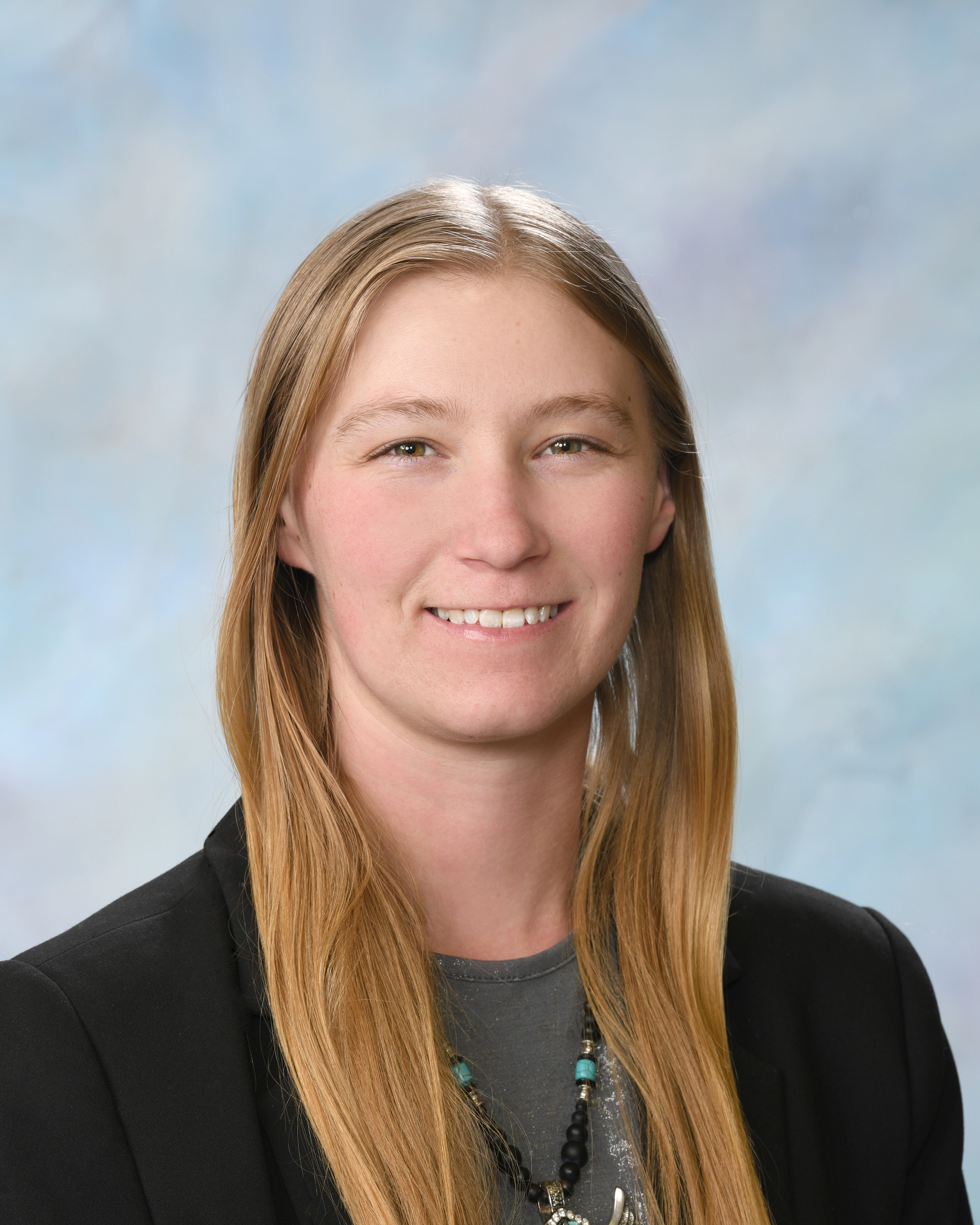
Sen. MyKala Voita
Sponsored bills
Maddy summaryHB 1286 amends South Dakota's "Employer's Investment in South Dakota's Future Fund" to clarify how funds are distributed for economic development projects. It directly affects businesses, universities, and workforce programs seeking grants by requiring applicants to submit detailed business plans - including job descriptions, education requirements, pay scales, and accounting practices - before receiving funds. The bill mandates that grants only reimburse actual project costs, require itemized invoices for grants over $1 million, and demand biannual public reporting on recipient locations, job impacts, and fund balances. All grant agreements must be posted online, increasing transparency while limiting funding to specific qualifying projects like workforce training, infrastructure, and business expansion.
Maddy summaryHB 1106 clarifies the term structure for county extension board members in South Dakota. It revises Section 13-54-11 to specify that board members serve staggered terms expiring annually on January 10th, replacing inconsistent phrasing about "one-to-three years." This change directly affects county extension boards and their appointment process, ensuring clear annual expiration dates for terms. The bill does not alter board composition requirements (such as farmer representation or county commissioner membership) or substantive responsibilities.
Maddy summaryThis bill is a legislative commemoration that honors TKO's Custom Catering and Capitol Cafe for their outstanding service during the legislative session. It recognizes the catering team for providing meals to legislators, staff, and visitors throughout the Capitol Building, contributing to a positive work environment. The resolution formally acknowledges their dedication and high-quality food service, but does not create any new laws, regulations, or funding.
Maddy summarySJR 508 proposes amending South Dakota's constitution to remove the lieutenant governor's role as presiding officer of the Senate. If approved by voters, the lieutenant governor would no longer serve as Senate president (currently outlined in Article IV, Section 5), though they would retain other duties delegated by the governor. The bill also repeals a related constitutional provision (Article XVI, Section 6) regarding the lieutenant governor's role in gubernatorial impeachment trials. This change would require voters to approve the constitutional amendment at the next general election. The amendment directly affects the lieutenant governor's official duties and Senate procedural rules.
Maddy summaryThis bill is a legislative commemoration that formally recognizes the Boys & Girls Clubs of South Dakota and their 2026 Youth of the Year program. It highlights the organization's work serving over 18,000 children annually across 60 locations and acknowledges specific finalists from Sioux Falls, Wagner, Mission, Flandreau, and Pierre. The resolution does not create new laws or funding but instead serves as an official state acknowledgment of the program's achievements and the accomplishments of the youth nominees.
Maddy summaryThis bill proposes a constitutional amendment that would prohibit South Dakota governments from using eminent domain to transfer private property to private companies or non-governmental entities solely for economic development or increased tax revenue. It would require any property transfer to serve a clear public purpose, such as infrastructure or public services, rather than benefiting private interests. The amendment would apply to all state and local government actions involving property takings and must be approved by voters at the next general election. If adopted, it would change how governments can acquire property for development projects.
Maddy summarySB 206 appropriates $100,000 from the general fund to the Legislative Research Council to hire a contractor. The study will examine state and federal laws (including IRS Section 457(e) tax rules) governing length-of-service award programs for volunteer firefighters and emergency medical services personnel. The contractor must submit recommendations for implementing such a program by November 30, 2026. This bill funds research only - it does not create a new program or change current law.
Maddy summaryHB 1105 prevents property owners in specific areas from using contracts or declarations to block healthcare services on commercial property. It applies to municipalities/townships under 3,000 people (per federal census) or areas officially designated as medically underserved by South Dakota’s Department of Health. The bill invalidates any contract or declaration that restricts the use of commercial property for healthcare services like clinics, diagnoses, or treatment in these areas. This directly affects property owners and developers who previously could impose such restrictions, while enabling healthcare providers to operate in underserved communities.
Maddy summarySB 205 revises drone registration fees in South Dakota, charging 1.5% of purchase price for agricultural drones and 2% for all other drones. The collected fees fund a new "drone aviation fund" administered by the Board of Technical Education to support drone training grants at state technical colleges. This bill directly affects drone owners (especially agricultural users) by changing their registration tax rates and creating a dedicated funding source for drone industry workforce development. The fund will receive all drone registration fees and interest, with expenditures requiring annual budget approval. The bill does not apply to small unmanned aircraft systems covered under federal regulations.