

Maddy summarySB 93 prohibits state employees who approve, award, or administer state contracts from working for the organizations that received those contracts after leaving state service. For contracts under $1 million, this creates a one-year waiting period; for contracts over $1 million, it extends to two years. The bill allows exceptions if a governing body authorizes the arrangement through written disclosure and approval, ensuring the arrangement is fair and in the public interest. This applies to employees handling contracts within their official duties, excluding unpaid or per diem roles.
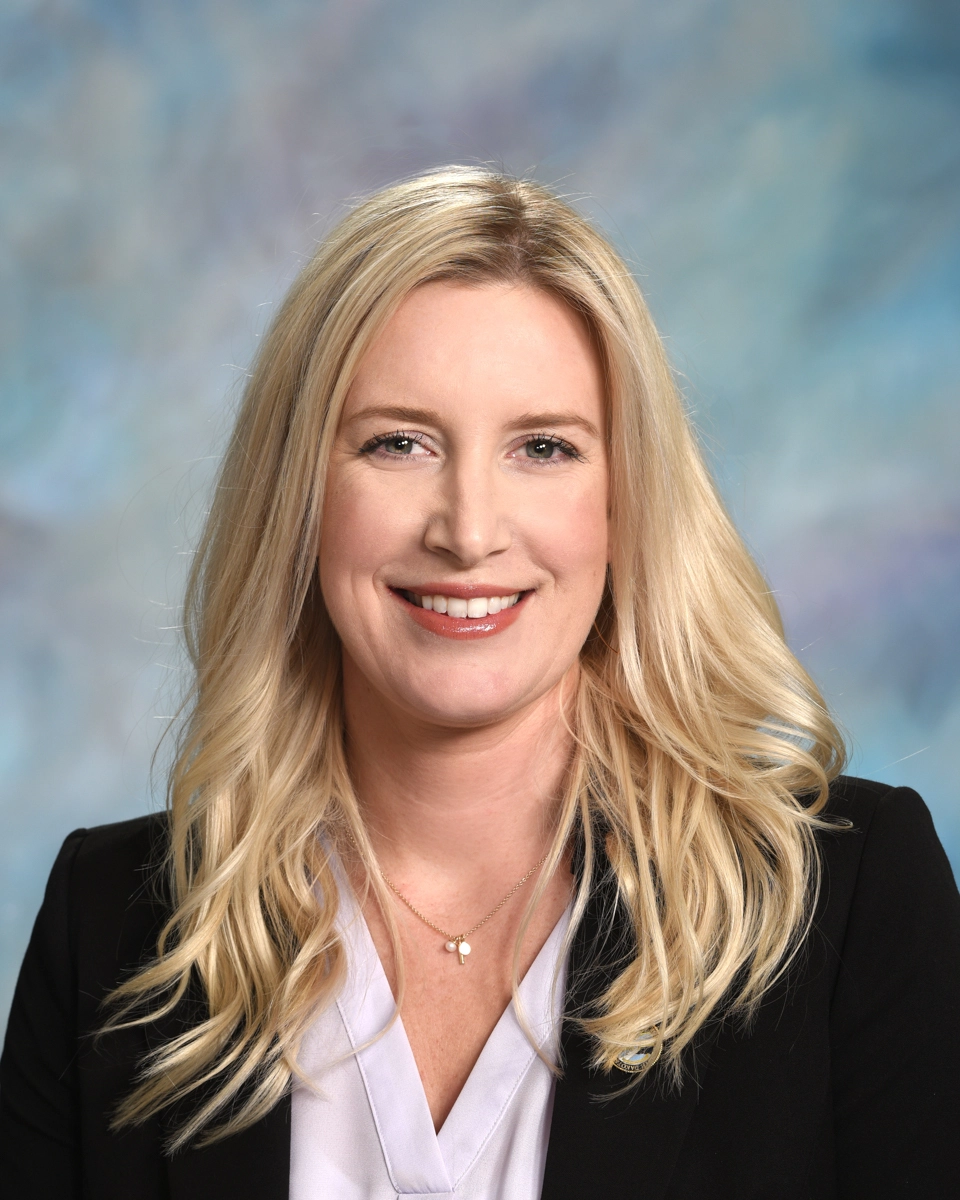
Sen. Sydney Davis
Sponsored bills
Maddy summaryHB 1073 requires every public and accredited nonpublic school in South Dakota to create a cardiac emergency response plan. The bill mandates schools to develop these plans with local emergency services, including forming response teams, placing accessible automated external defibrillators (AEDs) in schools and athletic venues, and training staff in CPR and AED use. Schools must conduct annual drills and maintain AEDs, with specific training requirements for coaches, athletic trainers, nurses, and response team members. This law directly affects all South Dakota schools and aims to improve emergency response for heart-related incidents during school activities.
Maddy summaryThis resolution supports South Dakota's request to Congress for authorization and federal funding of specific rural water projects identified by the South Dakota Association of Rural Water Systems (SDARWS). It directly affects rural communities across South Dakota relying on four key regional systems: Dakota Mainstem (central/southern), Western Dakota (western), Lewis and Clark (expansion planning), and Water Investment in Northern SD. The resolution urges coordination between local water providers, state agencies, and federal partners to advance these projects through congressional authorization under the Bureau of Reclamation. It does not create new projects but formally requests federal action to enable existing regional water supply solutions addressing documented water quantity and quality needs.
Maddy summaryThis bill (SC 812) is a ceremonial resolution honoring Glenn Muller, a South Dakota agricultural leader. It formally commends his career in the state's pork industry, including his work with the South Dakota Pork Producers Council, his role in expanding swine operations, and his advocacy for agriculture. The resolution specifically recognizes his receipt of awards like the South Dakota Corn Growers Association Lifetime Achievement Award and the 2025 Governor's Ag Ambassador designation. As a commemorative measure, it has no policy impact - it solely expresses legislative appreciation for his contributions to South Dakota agriculture.
Maddy summarySB 118 creates a "homeowner tax reduction fund" in South Dakota's state treasury. Each year by January 31st, the treasurer must deposit either $100 million or 0.3% of revenues collected from specific property taxes (chapters 10-45, 10-46, 10-46E, 10-58, and § 32-5B-20) into this fund. The Department of Revenue will use these funds to provide property tax rebates for owner-occupied single-family homes, with money in the fund not allowed to transfer to the general fund and requiring annual budgeting through the general appropriation bill. The bill takes effect July 1, 2027.
Maddy summaryHB 1276 establishes strict rules for using solitary confinement in South Dakota's juvenile facilities. It prohibits solitary confinement for discipline, punishment, or convenience - allowing it only when a juvenile poses an immediate risk of physical harm to self or others. The bill requires facilities to first try less restrictive methods, get approval from a facility leader, and form an interdisciplinary team (including mental health staff and administrators) to review cases within 24 hours and reassess weekly if confinement lasts more than seven days. Facilities must document all cases, provide continuous monitoring (every 15 minutes in-person), ensure access to basic needs like medical care and education, and notify parents within one business day. This applies directly to all juveniles held in state-operated juvenile facilities.
Maddy summarySB 233 prohibits health insurance carriers from charging administrative fees or penalties to healthcare providers for care involving out-of-network providers. This directly affects health care providers who treat patients using out-of-network services and health carriers that typically impose such fees. The bill’s key provision bans carriers from assessing these fees for any care provided by a provider not contracted with the carrier (defined as "out-of-network"). It creates a clear policy change requiring carriers to cover such care without additional administrative costs to providers.
Maddy summarySouth Dakota's SB 12 allows qualifying veterans with certain disabilities (like loss of use of both lower extremities) or their unremarried surviving spouses to request refunds for property taxes paid in the previous four years if they missed the application deadline for an existing property tax exemption. The bill amends tax exemption rules to permit petitions to county commissioners for these refunds, which the commissioners may approve or deny at their discretion. It directly affects veterans and surviving spouses who previously paid taxes they might have qualified to avoid. The refund mechanism applies only to taxes paid in the four years prior to the petition, not future exemptions.
Maddy summarySB 2 amends South Dakota law to clarify that firearm silencers (devices reducing gunshot noise) are not classified as "controlled weapons." This change removes silencers from the category of weapons subject to strict state regulations, such as special permits or licensing requirements. The bill directly affects gun owners, manufacturers, and sellers of silencers in South Dakota by eliminating these regulatory barriers. The key mechanism is an amendment to the definitions section of the state's criminal code (§ 22-1-2), specifically excluding silencers from the definition of "controlled weapon."
Maddy summarySB 147 allows merchants selling alcohol to detain individuals under 21 who appear to be illegally purchasing or attempting to purchase alcohol, or who misrepresented their age. The detained person must provide identification for verification to the merchant or law enforcement. Violating this requirement (refusing to identify) is punishable as a Class 2 misdemeanor. The bill directly affects minors attempting underage alcohol purchases and merchants enforcing age restrictions. It does not apply to general public identification requests outside of alcohol sales contexts.