

Maddy summaryHB 1099 would reclassify FDA-approved psilocybin medications from Schedule I to Schedule IV under South Dakota law. This change would allow medical providers to prescribe these specific pharmaceutical products without the strict restrictions currently applied to Schedule I substances. The bill specifically affects only psilocybin in drug products approved by the FDA, not raw psilocybin or unapproved formulations. This amendment aligns South Dakota's scheduling with federal approval status for medical use.
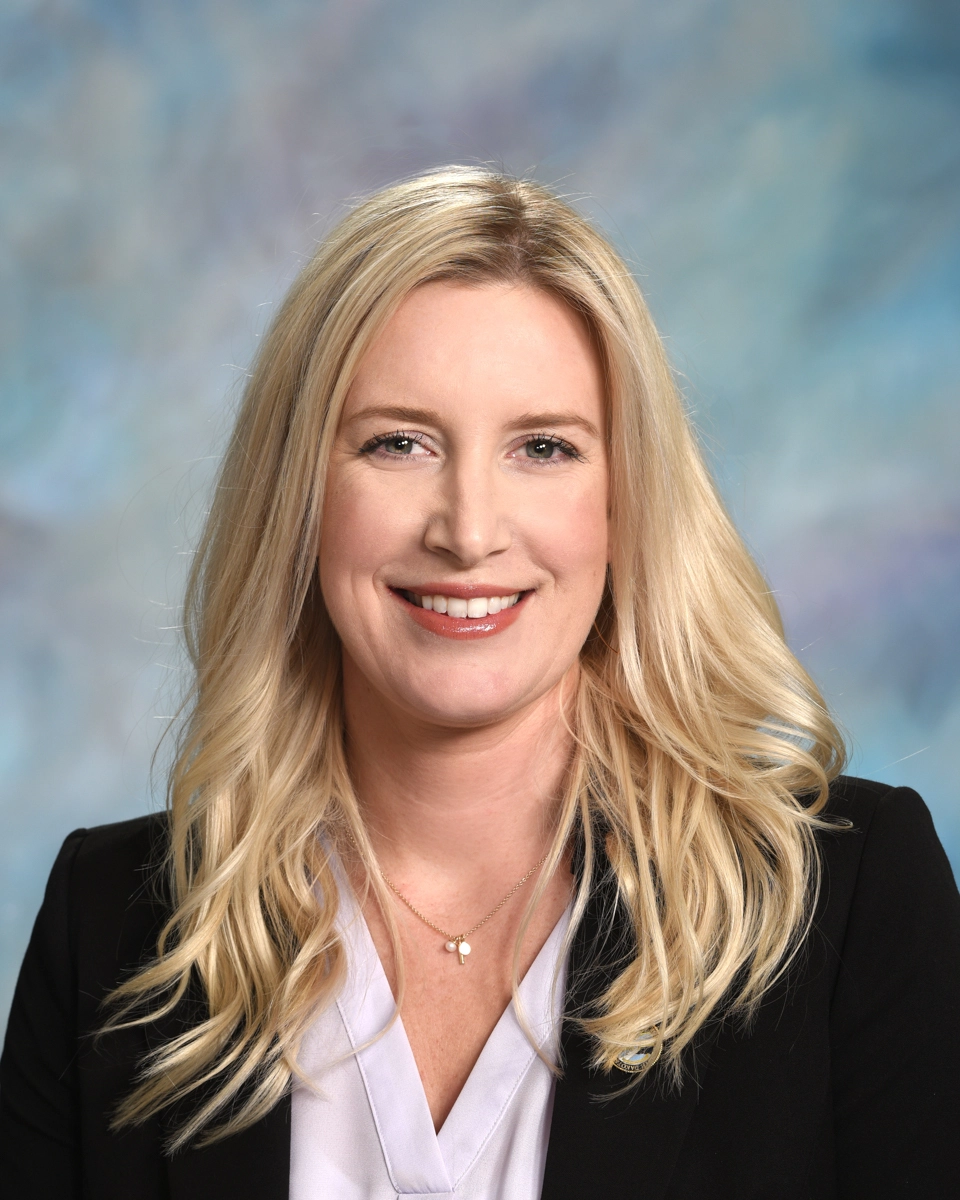
Sen. Sydney Davis
Sponsored bills
Maddy summaryHB 1101 prohibits insurers from denying or limiting life, disability, or long-term care insurance coverage solely because someone is a living organ donor. It specifically bans insurers from: (1) refusing coverage based on donor status, (2) requiring donors to stop donating to maintain coverage, or (3) charging higher premiums or imposing other restrictions due to donor status alone. The bill ensures that living organ donors cannot face insurance discrimination without evidence of actual increased health risk. This directly protects individuals who donate organs while alive from unfair treatment by insurance companies.
Maddy summaryHB 1143 allows students with diabetes to possess and self-administer nasal glucagon (a medication for severe low blood sugar) on school property or at school events. It directly affects students diagnosed with diabetes who require this specific treatment. The bill requires a licensed healthcare provider’s diagnosis, written parent authorization, and a physician’s statement detailing the medication’s purpose, dosage, and administration guidelines to be kept on file at the school. Schools must maintain these documents in the student’s health record or with the school nurse. This change expands existing provisions for asthma and anaphylaxis medications to include nasal glucagon for diabetes management.
Maddy summarySouth Dakota would join the Physician Assistant Licensure Compact, allowing physician assistants (PAs) licensed in other participating states to practice in South Dakota without obtaining a separate state license. This directly affects PAs - especially active-duty military personnel and their spouses - who can use their existing license from another participating state to practice in South Dakota. The key mechanism is the "Compact Privilege," which permits PAs to provide medical services where the patient is located, while maintaining patient safety through existing state licensing board oversight. This reduces licensing barriers for PAs and improves access to medical care across state lines.
Maddy summarySouth Dakota's SB 87 ensures counties cover the full cost of forensic medical examinations for victims of sexual assault or rape, eliminating out-of-pocket expenses for victims. The bill specifies covered costs include physician services, necessary tests (like STD screenings and pregnancy tests), supplies, and medications, with payments capped at Medicaid rates. It allows minors aged 16+ to consent to exams without parental permission and permits exams for protected persons without guardian consent, provided informed consent is obtained. Hospitals and clinics cannot bill victims beyond these Medicaid-based limits, and must notify victims of their no-cost access regardless of cooperation with law enforcement.
Maddy summaryThis bill is a legislative commemoration honoring Dave Bonde for his exemplary service to South Dakota. It directly affects the state legislature by formally recognizing his contributions in two key roles: as executive director of the Fort Pierre Development Corporation and as sergeant-at-arms of the South Dakota Senate. The bill highlights his work in supporting local businesses, attracting investment, promoting sustainable development, and facilitating community events in central South Dakota. This is a ceremonial measure that acknowledges past achievements rather than establishing new laws or policies.
Maddy summaryThis bill is a legislative commemoration that honors TKO's Custom Catering and Capitol Cafe for their outstanding service during the legislative session. It recognizes the catering team for providing meals to legislators, staff, and visitors throughout the Capitol Building, contributing to a positive work environment. The resolution formally acknowledges their dedication and high-quality food service, but does not create any new laws, regulations, or funding.
Maddy summarySB 125 creates a state fund to provide property tax rebates for owner-occupied single-family homes in South Dakota. The Department of Revenue will calculate annual rebates using a formula: multiplying $2 by the number of eligible homeowners, subtracting that from the fund's total, and dividing by the number of homeowners. Rebates are capped at either this calculated amount or the portion of property taxes exceeding $250 per home. The fund cannot be diverted to the general state budget, and any unused funds must stay in the fund or cover administrative costs. This directly affects homeowners who live in single-family residences and pay property taxes.
Maddy summaryHB 1056 requires South Dakota's Department of Social Services to submit a federal waiver request by September 1, 2026, to exclude soft drinks from the Supplemental Nutrition Assistance Program (SNAP). The bill defines "soft drink" as nonalcoholic sweetened beverages (excluding milk, milk substitutes, and approved juices) and mandates annual waiver requests if initially denied. If approved, the restriction would take effect within six months, directly affecting SNAP participants who currently purchase soft drinks with benefits. This policy change would alter eligibility under federal SNAP rules for South Dakota recipients.
Maddy summaryHB 1104 revises application requirements for South Dakota's special license plates and parking permits for people with disabilities. It specifies that certification for these benefits must come from licensed physicians, physician assistants, chiropractors, physical therapists, or certified nurse practitioners (all licensed under Title 36), stating the applicant has a "substantial physical disability" that makes walking impossible or causes substantial hardship. The bill clarifies that applications for both license plates and portable parking permits must be submitted through county treasurers, with no fee charged for the plates. It also includes penalties for fraud (Class 1 misdemeanor) or failure to surrender permits when no longer needed (Class 2 misdemeanor).