

Maddy summarySB 36 requires electric utilities and wholesale electricity generators in South Dakota to develop and submit wildfire mitigation plans to either the Public Utilities Commission or their local governing body (like a city council). These plans must include specific strategies for risk assessment, infrastructure inspections, vegetation management, and community outreach to reduce wildfire risks. Utilities must also submit annual compliance reports by April 1st each year, with filing fees of $500 for initial plans and $250 for reports. The bill establishes a standardized process for these plans and reports but does not specify liability protections beyond the plan requirements.
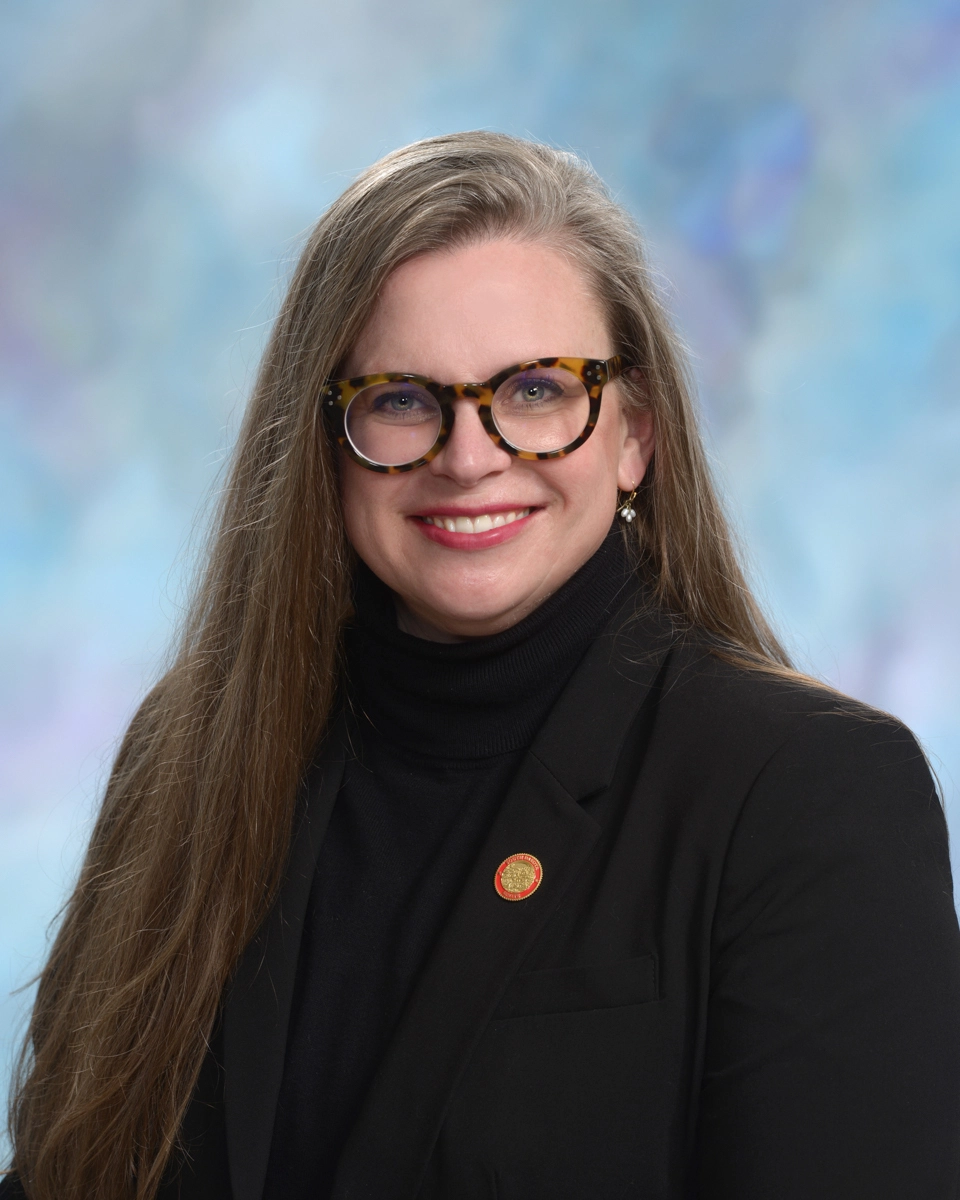
Sen. Liz Larson
Sponsored bills
Maddy summarySB 111 requires social media companies operating in South Dakota to give users access to their collected personal data upon request and maintain transparent, publicly available technical standards (open protocols) that allow different social media platforms to share user data. It directly affects social media companies by mandating data access for users and requiring interoperability interfaces that are free from licensing fees or patent restrictions. Key provisions define "personal data" as information linked to an identifiable individual (excluding de-identified or public data) and specify that interoperability must enable data exchange between platforms via open protocols. The bill focuses on concrete policy changes: user data access and standardized data-sharing mechanisms, without specifying enforcement or penalties.
Maddy summarySB 197 amends South Dakota law to transfer administration of the South Dakota-Ireland Trade Fund from the Legislative Research Council's Executive Board to the Department of Agriculture and Natural Resources. The fund, which supports the South Dakota-Ireland Trade Commission's activities like promoting trade between South Dakota and Ireland, consists of donations, grants, and interest earned. This bill changes only the managing agency - no policy or funding changes are made to the fund's purpose or sources. The amendment clarifies that the Department of Agriculture will handle the fund's administrative expenses and disbursements.
Maddy summaryHB 1101 prohibits insurers from denying or limiting life, disability, or long-term care insurance coverage solely because someone is a living organ donor. It specifically bans insurers from: (1) refusing coverage based on donor status, (2) requiring donors to stop donating to maintain coverage, or (3) charging higher premiums or imposing other restrictions due to donor status alone. The bill ensures that living organ donors cannot face insurance discrimination without evidence of actual increased health risk. This directly protects individuals who donate organs while alive from unfair treatment by insurance companies.
Maddy summaryHB 1160 repeals the legal requirement for a medical marijuana oversight committee in South Dakota. The bill ends a committee that was mandated to meet twice yearly to evaluate the medical cannabis program, including patient access, dispensary operations, testing facilities, and regulatory safeguards. This change removes the committee's structure and duties, which included making recommendations to the legislature about the program's effectiveness and regulations. The repeal applies to the medical cannabis program established under existing law.
Maddy summaryHB 1219 requires South Dakota state agencies to provide free interpreter or translator services for non-English-speaking parties during administrative hearings (like license disputes or benefit appeals). The bill mandates agencies to appoint qualified, impartial interpreters and cover their costs from agency budgets. It also allows winning parties to recover interpreter fees incurred during the hearing. This directly affects individuals or businesses needing language assistance in agency proceedings. The law updates existing rules to ensure all parties can fully participate in administrative cases.
Maddy summaryHB 1143 allows students with diabetes to possess and self-administer nasal glucagon (a medication for severe low blood sugar) on school property or at school events. It directly affects students diagnosed with diabetes who require this specific treatment. The bill requires a licensed healthcare provider’s diagnosis, written parent authorization, and a physician’s statement detailing the medication’s purpose, dosage, and administration guidelines to be kept on file at the school. Schools must maintain these documents in the student’s health record or with the school nurse. This change expands existing provisions for asthma and anaphylaxis medications to include nasal glucagon for diabetes management.
Maddy summarySouth Dakota's SB 87 ensures counties cover the full cost of forensic medical examinations for victims of sexual assault or rape, eliminating out-of-pocket expenses for victims. The bill specifies covered costs include physician services, necessary tests (like STD screenings and pregnancy tests), supplies, and medications, with payments capped at Medicaid rates. It allows minors aged 16+ to consent to exams without parental permission and permits exams for protected persons without guardian consent, provided informed consent is obtained. Hospitals and clinics cannot bill victims beyond these Medicaid-based limits, and must notify victims of their no-cost access regardless of cooperation with law enforcement.
Maddy summarySB 198 restricts student cell phone use during instructional time in South Dakota public schools. The bill prohibits students from using cell phones unless they have an approved medical or educational accommodation, or during an emergency affecting health/safety. School districts must create policies outlining disciplinary actions for violations. This directly affects all K-12 students in South Dakota public schools during the school day as defined by each district.
Maddy summarySB 101 is a procedural bill that clarifies South Dakota's requirements for presidential electors. It updates timing deadlines (changing references from "nine a.m." to "11 a.m. central time") for electors to notify the Governor of their presence and readiness, and refines procedures for filling vacancies if electors fail to appear. This directly affects South Dakota's presidential electors and state officials handling election logistics. The bill makes technical adjustments to existing election code without altering voting outcomes or elector qualifications.