

Maddy summarySB 15 creates the Developmental Disability Services Oversight Committee to examine and monitor South Dakota's Medicaid waiver programs providing home and community-based services for individuals with intellectual and developmental disabilities. The committee, composed of nine legislative members including committee chairs and appointed representatives, will review program operations, hear testimony from the Department of Human Services, and gather feedback from affected individuals, families, and service providers. It must annually report findings and recommendations to the Legislative Research Council by November 1 to improve service efficiency and operations. This bill directly affects individuals receiving waiver services, their families, community support providers, and the Department of Human Services. The committee's role is strictly advisory and oversight-focused, not policy-making.
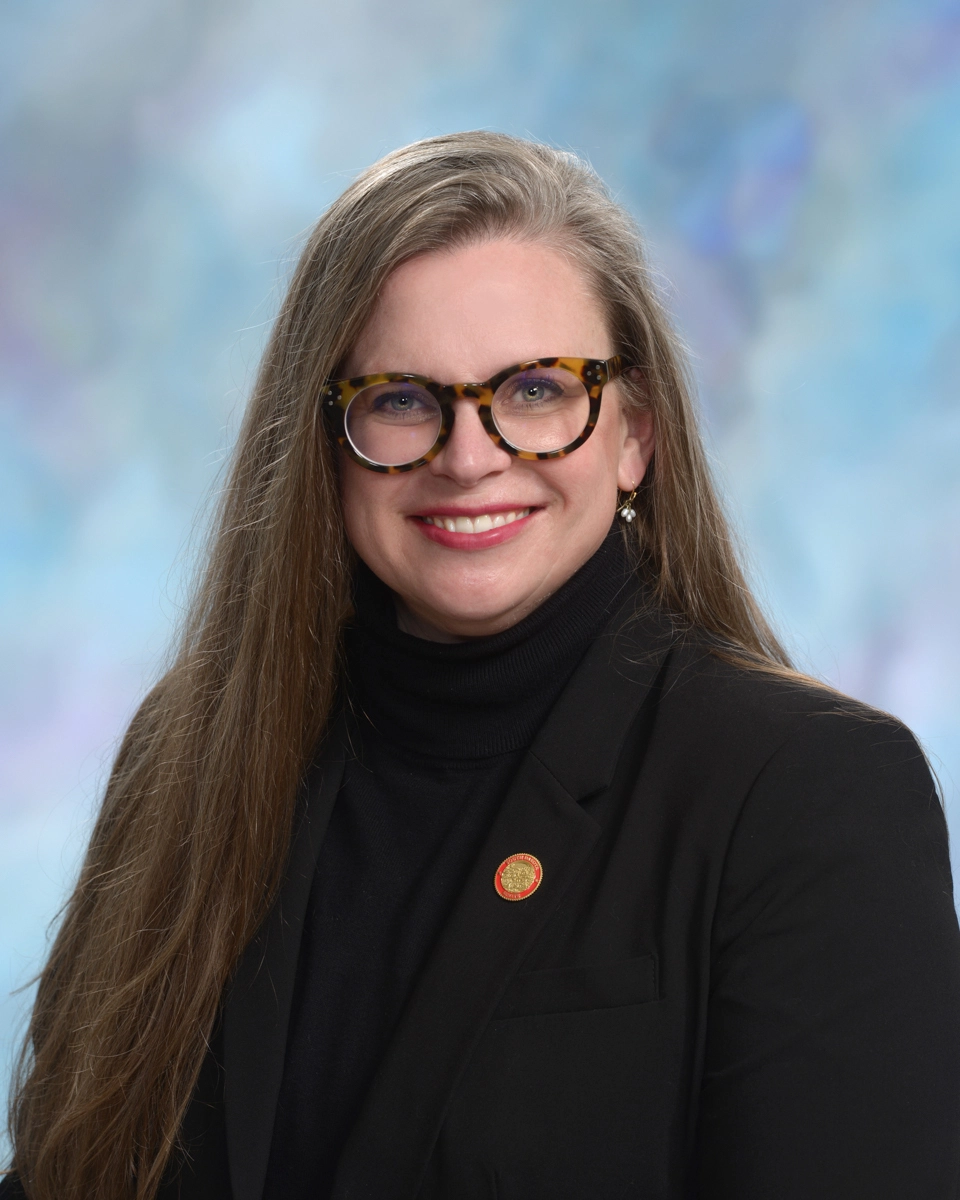
Sen. Liz Larson
Sponsored bills
Maddy summarySB 89 requires all South Dakota counties and municipalities to ensure a minimum level of emergency medical services (including response times, staffing, and treatment protocols) are available within their boundaries for prehospital care. It directs the state health department to create rules defining these minimum standards, covering aspects like ambulance response and required personnel. The bill also establishes a legislative task force to study funding mechanisms for these services and report recommendations by November 2026. The law would take effect on July 1, 2028, impacting local governments responsible for emergency medical service provision.
Maddy summarySB 131 clarifies the timing for nonprofit-hosted pheasant hunts benefiting disabled veterans and Purple Heart recipients. It revises the law to specify these hunts may occur "before or during the regular pheasant season" (removing confusing prior language about the "private shooting preserve season"). The bill directly affects nonprofit organizations hosting these events and the disabled veterans/Purple Heart recipients participating. Key provisions maintain that no fees may be charged to participants and require the Game, Fish and Parks Commission to create rules for administering these hunts. The bill does not change eligibility criteria for participants or alter the no-fee requirement.
Maddy summaryHB 1148 adopts the Respiratory Care Interstate Compact, allowing respiratory therapists licensed in South Dakota to practice in other participating states without obtaining separate licenses. The bill also requires respiratory care practitioners to undergo a criminal background check and submit fingerprints as part of their South Dakota licensure application. This compact aims to increase access to respiratory therapy services, support military families by easing relocation for therapists, and address workforce shortages through streamlined interstate practice. It preserves each state’s authority to regulate licensure and protect public health while creating a standardized process for therapists moving across state lines.
Maddy summarySB 139 revises South Dakota law to clarify transportation requirements for inmates being discharged from correctional facilities. It requires correctional facilities to provide transportation to a location chosen by the inmate from three options: the county where the inmate lived at the time of the offense, the county where they received their sentence, or any location at the same distance as the closer of those two counties (based on mileage). This change gives inmates more flexibility in selecting a release location while ensuring transportation is provided to a reasonably accessible place near their previous residence or sentencing location. The bill directly affects inmates released from South Dakota correctional facilities under parole, suspended sentences, or final discharge.
Maddy summaryHB 1149 adopts the Athletic Trainer Licensure Compact, allowing South Dakota to join a multi-state agreement that enables licensed athletic trainers from participating states to practice in South Dakota without obtaining a separate license. The bill requires athletic trainers seeking to practice under the compact to undergo a fingerprint-based criminal background check (paid by the trainer) and establishes mutual recognition of licenses across member states. Key provisions include reducing administrative burdens for trainers, improving access to athletic care through streamlined interstate practice, and ensuring states maintain authority to regulate practice within their borders. This directly affects athletic trainers seeking to work across state lines and patients in South Dakota who may access care from out-of-state professionals.
Maddy summaryHB 1200 appropriates $8 million from South Dakota's general fund to the Department of Public Safety for grants to nonprofit organizations providing specific victim services. It directly supports nonprofits focused on helping children abused or neglected, domestic violence victims, sexual assault victims, or victims of commercial sexual exploitation/trafficking. The bill allows grant funds to cover 24/7 emergency services, counseling, crisis lines, case management, sexual assault nurse examiner training, and child advocacy center services - excluding new programs or legal aid. Nonprofits must apply annually between July 1 and August 31, report on services delivered, and prioritize organizations seeking additional funding. The appropriation becomes effective June 30, 2026.
Maddy summaryHB 1082 requires South Dakota school districts to provide free or reduced-price meals to eligible students without charging them, as defined by federal programs (National School Lunch Program and School Breakfast Program) starting January 1, 2026. The bill mandates that the South Dakota Department of Education reimburse school districts for costs incurred on these meals, after subtracting any federal reimbursement received. This directly affects school districts serving students qualifying for federal meal programs and ensures state funding covers the gap between federal support and actual meal costs. The law amends Section 13-35-2 of South Dakota law to clarify these reimbursement parameters.
Maddy summaryHB 1108 allows courts to immediately seal court files when protection order petitions are dismissed, either initially or after a hearing. This applies directly to individuals whose protection order cases (covered under South Dakota statutes §22-19A-8 and §25-10-3) are dismissed by a judge. The key provision requires courts to grant sealing of the entire court file upon dismissal, rather than requiring additional steps or waiting periods. This change provides a streamlined process for removing sensitive court records from public view in dismissed cases. The bill affects anyone involved in a dismissed protection order case, focusing on expediting privacy protections.
Maddy summarySB 98 requires operators of virtual currency kiosks in South Dakota to obtain a license under existing financial regulations (Chapter 51A-17). It mandates detailed reporting to the state, including transaction volumes, user complaints, refund requests, and suspicious activity. The bill also requires kiosk operators to provide users with receipts containing transaction details, exchange rates, virtual currency addresses, and refund policies. These provisions directly affect kiosk operators (licensees) and users engaging in virtual currency transactions at these locations. The law aims to increase transparency and accountability in virtual currency kiosk operations.