

Maddy summaryHCR 6002 is a ceremonial joint resolution honoring Charlie Kirk, founder of Turning Point USA and a prominent conservative commentator, who was assassinated in 2025 at age 31. The resolution recognizes his work founding Turning Point USA at 18, his advocacy for free markets and constitutional liberties, and his influence through media and policy advising. It does not create new laws or affect any policies, as it is purely symbolic. The resolution urges South Dakota citizens to reflect on Kirk’s legacy and extends condolences to his family. This is a procedural honor without legal or practical impact.
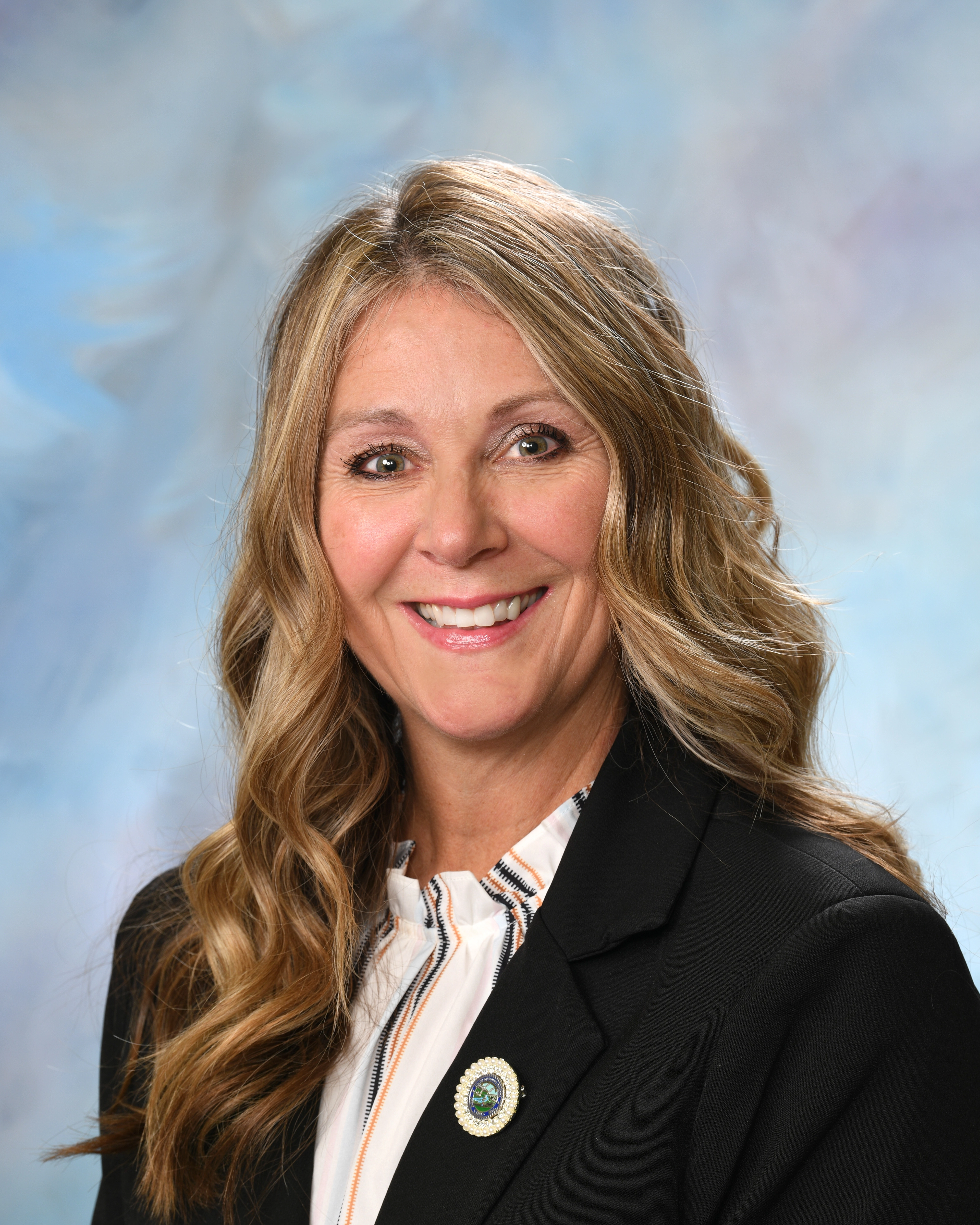
Rep. Tesa Schwans
Sponsored bills
Maddy summaryHB 1008 requires South Dakota schools to amend administrative rules to allow students to earn high school credit for participation in extracurricular athletics. Specifically, it permits up to one fine arts credit (max 1/4 credit per activity per year) and up to one-half physical education credit (max 1/4 credit per varsity athletic activity per year) through school-sanctioned activities. School districts must document how these activities align with state standards for fine arts and physical education. The amendment must be filed by September 30, 2026, directly affecting South Dakota high school students and school districts.
Maddy summaryHB 1061 requires most retail businesses in South Dakota to accept cash payments for in-person purchases under $100, where the customer chooses cash and the seller is physically present. Businesses cannot charge higher prices for using cash, and the law applies only to face-to-face transactions meeting these conditions. Exemptions include credit unions, security deposits requiring credit cards, and airplane sales. The bill also mandates that state offices accept cash for public fees under $100 when paid in person.
Maddy summaryHB 1063 defines natural hair braiding as a service involving manual techniques like braiding, cornrowing, or weaving (using natural or synthetic fibers) without chemicals, hair-altering tools, or treatments like straightening or bleaching. The bill requires that places where this service is provided for compensation be inspected by South Dakota's Cosmetology Commission, bringing it under the state's existing cosmetology regulatory framework. It directly affects natural hair braiders operating for pay in South Dakota, ensuring their businesses meet the same inspection standards as other cosmetology service providers. The definition explicitly excludes chemical treatments, hair-altering tools, and permanent wave styles from the scope of natural hair braiding.
Maddy summaryThis commemorative resolution (HC 8001) formally recognizes National FFA Week in South Dakota for February 21-28, 2026. It does not create new laws or affect any individuals or policies; instead, it serves as a symbolic gesture by the South Dakota Legislature to honor the Future Farmers of America (FFA) organization. The resolution cites FFA's role in agricultural education, youth development, and community service across the state. As a non-binding commemoration, it has no legal or financial impact on the state or its residents.
Maddy summaryThis House Resolution (HR 7001) is a symbolic recognition of the 250th anniversary of the Declaration of Independence, scheduled for July 4, 2026. It does not create new laws or affect any individuals, organizations, or policies; it is purely commemorative. The resolution acknowledges the historical significance of the Declaration, highlights contributions from diverse groups (including indigenous nations and immigrants) to U.S. development, and encourages reflection on foundational principles like liberty and democracy. South Dakota's House of Representatives formally resolves to celebrate this milestone as a moment to honor the nation's past and future.
Maddy summaryHB 1259 prohibits unauthorized access to certain multi-occupancy rooms in South Dakota. The bill directly affects building owners, property managers, and tenants by establishing rules about who may enter shared living spaces. Key provisions require landlords to obtain consent before entering rooms occupied by multiple tenants, ensuring privacy rights are protected. The law aims to prevent unlawful intrusions while allowing necessary access for maintenance or emergencies when proper notice is given. This policy change strengthens tenant protections without altering existing landlord responsibilities for property upkeep.
Maddy summaryHB 1232 modifies the rules governing how hair salons and booths must operate in South Dakota. The bill updates existing requirements for salon licensing, safety standards, and operational procedures to reflect current industry practices. It also declares an emergency to allow the changes to take effect immediately without waiting for the standard legislative timeline. This legislation directly impacts salon owners, employees, and customers by establishing new compliance standards for salon businesses.
Maddy summarySB 68 would require individuals to be U.S. citizens before they are eligible to vote in South Dakota elections. The bill establishes a penalty for voting without meeting this citizenship requirement. It directly affects all voters in the state by adding a citizenship verification condition to the existing voting qualifications. This legislation does not change other voting rules but specifically adds citizenship as a mandatory eligibility criterion.
Maddy summaryThis bill prevents healthcare providers in South Dakota from blocking parents or guardians from accessing their minor children's medical records and health information. It requires providers to allow authorized adults to view and obtain copies of these records without needing additional consent from the minor. The law applies to doctors, hospitals, and other medical facilities treating minors, ensuring families can review health data related to their children. This change aims to improve family involvement in healthcare decisions for minors by removing barriers to information access.