

Maddy summaryThis bill requires South Dakota public schools to teach prenatal human growth and development in health or science classes using specific materials. It mandates that schools use resources recommended by the state Board of Education, including at least three minutes of high-definition ultrasound videos showing organ development or computer-generated animations of prenatal growth from fertilization to birth. The law prohibits using any materials from entities that perform, promote, or refer to abortion services. This directly affects K-12 public school curricula in South Dakota, altering required health/science content.

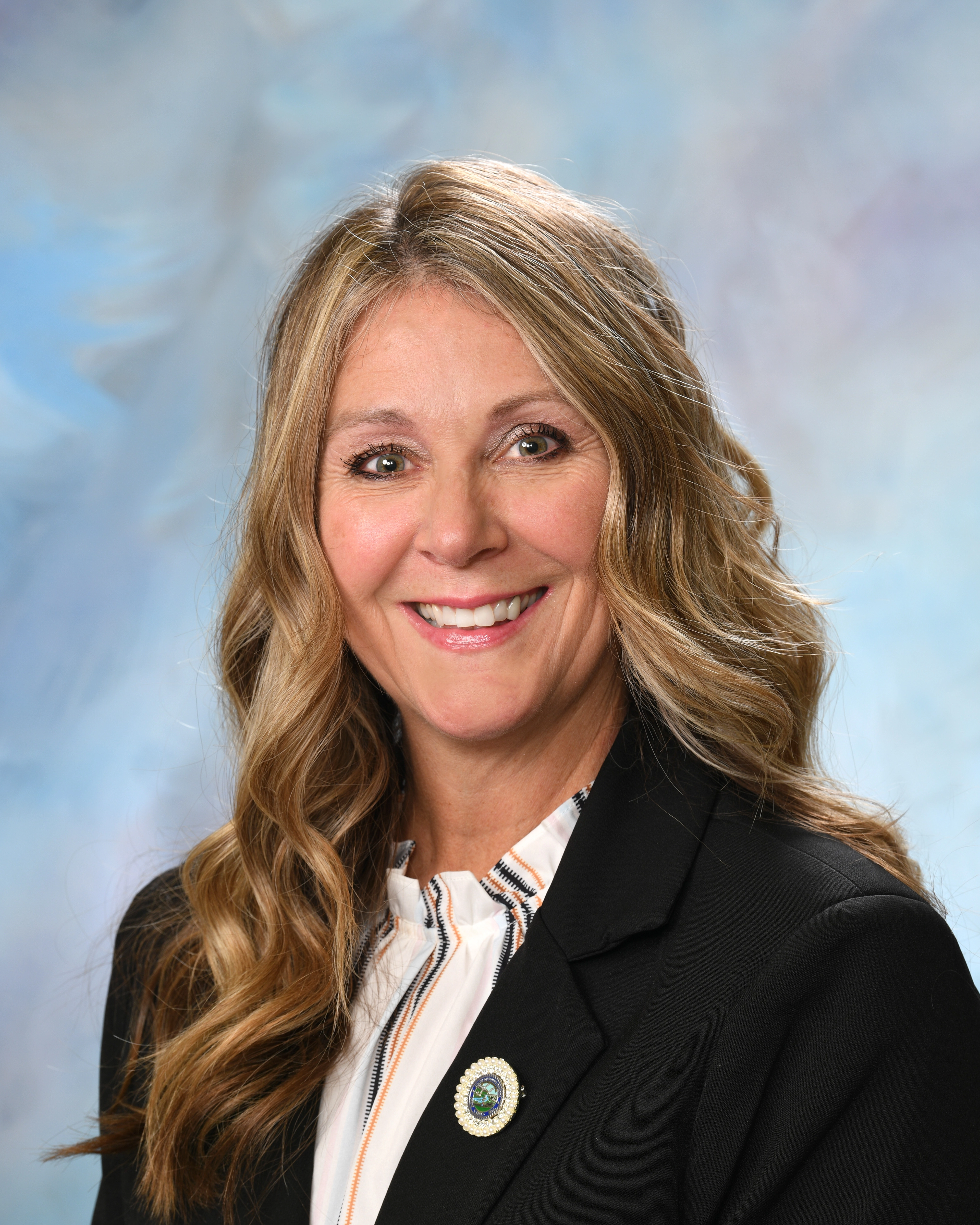
Rep. Tesa Schwans
Sponsored bills
Maddy summarySB 107 amends South Dakota law to explicitly include licensed and registered child care programs within the definition of "community safety zone." This means the 500-foot buffer zone around such facilities - including day care centers, group family day care homes, and registered family day care - will now be covered by the same restrictions on sex offender residence as schools, shelters, and public parks. The bill clarifies that all licensed and registered child care programs are explicitly included under existing definitions without adding new facilities to the list. This change directly affects sex offenders required to register under South Dakota law, as they are barred from residing within these zones without specific exemptions.
Maddy summaryHB 1194 requires South Dakota's Cosmetology Commission to allow out-of-state cosmetology, nail technology, and esthetics license applicants to count relevant work experience toward their education hour requirements. Specifically, the bill mandates that two hours of work experience equals one hour of required education, but only for experience gained after the applicant's initial license, and work experience cannot cover more than half the total education hours needed. Applicants must provide documentation of their work history, and the commission may require a safety course if the experience is over five years old or deny a license if competence is in question. This change directly affects individuals seeking to transfer licenses from other states or countries who have practical experience but lack full in-state education hours.
Maddy summaryHB 1077 classifies cultivated-protein food products (lab-grown meat alternatives made from animal cells grown in vitro) as "adulterated food" under South Dakota's existing food safety laws. This bill directly affects producers and sellers of these products by automatically subjecting them to current adulteration penalties without requiring new safety standards. The key provision adds a specific definition in Section 39-4-2(8), stating such products are deemed adulterated regardless of their safety or labeling. The law does not create new regulations but applies existing food safety definitions to this emerging food category. This change would require cultivated-protein producers to comply with all current adulteration enforcement mechanisms.
Maddy summaryHB 1140 allows South Dakota courts to require defendants on probation or parole to complete treatment at nonprofit organizations that have received state grants for "alternative care programs," specifically for individuals convicted of repeat DUI/DWI offenses. The bill adds this option as a condition of probation (under § 23A-27-18.3), requiring the defendant’s consent, program availability, and pre-sentencing application approval. It directly affects individuals convicted of third or fourth DUI/DWI offenses who are on probation or parole, offering an alternative to jail time through treatment. The law modifies driver’s license revocation rules (§ 32-23-4 and 32-23-4.6), allowing courts to permit limited driving (e.g., for work or treatment) upon successful completion of such programs. This creates a concrete pathway for court-mandated treatment instead of incarceration for eligible offenders.
Maddy summaryHB 1265 creates an "Avian Special Purpose Salvage Permit" allowing landowners or farmers to legally salvage, incubate, and release eggs from non-migratory bird nests accidentally destroyed during normal agricultural or lawful activities. The permit, valid annually until December 31, requires a $10 fee and authorizes three specific actions: salvaging eggs, incubating them, and banding/releasing the birds at an appropriate developmental stage. The South Dakota Game, Fish and Parks Commission will establish rules for release criteria, documentation, and the permit process. This bill directly affects landowners whose operations unintentionally disturb non-migratory bird nests, providing a legal pathway to salvage eggs instead of facing misdemeanor charges under existing law.
Maddy summarySB 88 clarifies the process for entities seeking to examine private property for public projects (like utility lines) without the owner's permission. It requires such entities to provide 30 days' written notice detailing the property area, timing, and purpose, and pay for any damage caused - $500 upfront for common carrier projects. Property owners can challenge the examination in court within 30 days of receiving notice. The bill applies only to projects needing a siting permit (e.g., utilities), not state entities, and defines "examination" as a minimally invasive inspection causing minor soil disturbance.
Maddy summarySB 114 requires South Dakota election officials to make ballot images (digital copies of paper ballots) and cast vote records (electronic records showing how votes were counted) publicly available as public records. However, it prohibits releasing these records if they include voter-identifying details like names, timing of votes, or incomplete precinct data. Specifically, records from precincts with fewer than 100 ballots must be redacted to remove ballot style identifiers and combined with records from other precincts before public release. This law applies directly to local election officials responsible for managing and releasing election data.
Maddy summarySB 220 directs South Dakota's Department of Corrections to conduct a study evaluating juvenile correctional and residential facilities. The study must examine best practices, therapeutic housing models, vocational training combined with mental health services, and staff-to-youth ratios, including inspections at three facilities outside South Dakota. The bill appropriates $50,000 from the general fund to cover study costs and requires a written report to the Legislative Research Council by September 1, 2026. This is a procedural study bill with no direct policy changes or new requirements for facilities, solely aimed at gathering information for future decisions.
Maddy summaryThis bill amends existing state consumer protection laws to add requirements for age verification and parental consent for application stores, which are digital platforms where users download software applications. The legislation would require these stores to verify the age of users and obtain parental consent from minors before allowing them to access or download applications. It also establishes penalties for businesses that fail to comply with these new verification and consent requirements. The bill does not create new consumer protection categories but rather modifies existing deceptive trade practices provisions to include digital application store compliance.