

Maddy summaryHB 1099 would reclassify FDA-approved psilocybin medications from Schedule I to Schedule IV under South Dakota law. This change would allow medical providers to prescribe these specific pharmaceutical products without the strict restrictions currently applied to Schedule I substances. The bill specifically affects only psilocybin in drug products approved by the FDA, not raw psilocybin or unapproved formulations. This amendment aligns South Dakota's scheduling with federal approval status for medical use.
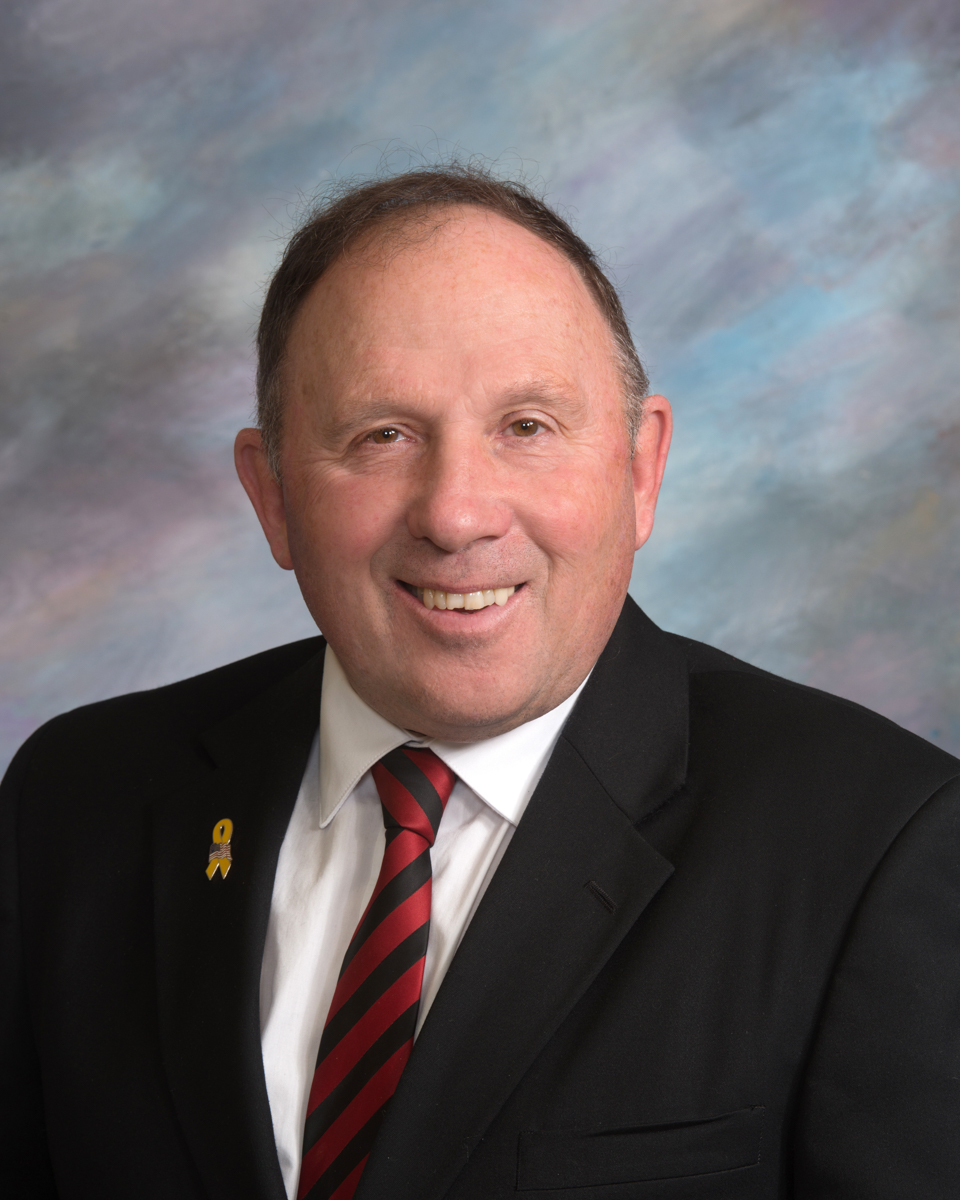
Rep. Tim Goodwin
Sponsored bills
Maddy summaryThis bill amends South Dakota law (§ 22-19B-4) to upgrade penalties for preventing someone from practicing their religion through threats or violence. Currently a Class 1 misdemeanor, the offense would become a Class 6 felony under this bill. It directly affects individuals who use intimidation or force to stop others from engaging in legally protected religious activities. The key change is reclassifying the penalty level in the statute, increasing the legal consequences for such conduct.
Maddy summaryHB 1106 clarifies the term structure for county extension board members in South Dakota. It revises Section 13-54-11 to specify that board members serve staggered terms expiring annually on January 10th, replacing inconsistent phrasing about "one-to-three years." This change directly affects county extension boards and their appointment process, ensuring clear annual expiration dates for terms. The bill does not alter board composition requirements (such as farmer representation or county commissioner membership) or substantive responsibilities.
Maddy summaryHB 1164 makes it a Class 5 felony for licensed healthcare providers to use reproductive material (like sperm or eggs) without a patient’s written consent during assisted reproduction procedures (e.g., IVF). It directly affects healthcare providers, patients, donors, and children born from such procedures. The bill establishes civil liability, allowing patients, spouses, intended parents, children, or donors to sue for $10,000 in liquidated damages plus other costs and attorney fees. Lawsuits must be filed within five years of the child’s 18th birthday or when evidence (like DNA results) is discovered.
Maddy summarySB 180 modifies South Dakota's rules for issuing commercial driver licenses (CDLs) to non-residents ("nondomiciled" applicants). It specifically allows individuals with H-2A, H-2B, or E-2 work visas (or those from U.S. territories with these visas) and people from states with decertified CDL programs to obtain a South Dakota CDL. Key provisions require applicants to present valid visa documents at every license transaction, confirm immigration status via federal systems, and have licenses expire when their visa validity ends (or within one year of issuance). The license must display "nondomiciled," and holders must surrender any other state's nondomiciled CDL.
Maddy summaryHB 1062 is a technical amendment to South Dakota's aggravated assault statute (§ 22-18-1.1). It renumbers existing subsections and removes references to provisions previously deleted by law (specifically removing references to subsections (3), (6), and (7) as deleted by prior legislation). The bill does not change the actual legal definition or penalties for aggravated assault, which remains a Class 3 felony for causing serious injury under specified circumstances. This is purely a procedural update to correct the statutory numbering and eliminate outdated references in the law.
Maddy summaryHB 1101 prohibits insurers from denying or limiting life, disability, or long-term care insurance coverage solely because someone is a living organ donor. It specifically bans insurers from: (1) refusing coverage based on donor status, (2) requiring donors to stop donating to maintain coverage, or (3) charging higher premiums or imposing other restrictions due to donor status alone. The bill ensures that living organ donors cannot face insurance discrimination without evidence of actual increased health risk. This directly protects individuals who donate organs while alive from unfair treatment by insurance companies.
Maddy summaryHB 1160 repeals the legal requirement for a medical marijuana oversight committee in South Dakota. The bill ends a committee that was mandated to meet twice yearly to evaluate the medical cannabis program, including patient access, dispensary operations, testing facilities, and regulatory safeguards. This change removes the committee's structure and duties, which included making recommendations to the legislature about the program's effectiveness and regulations. The repeal applies to the medical cannabis program established under existing law.
Maddy summaryHB 1241 increases the property tax exemption amount for disabled veterans and surviving spouses in South Dakota. It amends existing law (§ 10-4-40 for veterans and § 10-4-41 for surviving spouses) to raise the value of a primary residence exempt from property taxes. Currently set at $225,000, this exemption applies to owner-occupied homes where the veteran is permanently and totally disabled from service-connected injuries, or to surviving spouses of such veterans. To qualify, applicants must submit a confidential form to the Department of Revenue and maintain occupancy; the exemption ends if they sell the home, stop living there, or remarry (for surviving spouses).
Maddy summaryHB 1176 clarifies that South Dakota courts may require defendants to participate in a 24/7 sobriety program as a condition of bond or pre-trial release. It prevents defendants from being jailed or having their release revoked solely due to inability to pay program costs, unless a court finds they could pay but willfully avoided doing so. Defendants must prove they didn’t willfully skip payments or made a genuine effort to pay. Unpaid program costs may later be added to a defendant’s sentence if the court determines they have the ability to pay. The bill directly affects individuals in criminal cases offered this program.