

Maddy summarySB 200 amends South Dakota's state aid formula for funding public school districts' general and special education programs. The bill establishes a base teacher salary of $62,821.19 for the 2025 school year, with annual increases tied to inflation (using the consumer price index). It updates how school districts calculate their funding by revising definitions for enrollment counts, English learner adjustments, and local need factors. This change directly affects all South Dakota public school districts by altering how state education funding is determined each year.
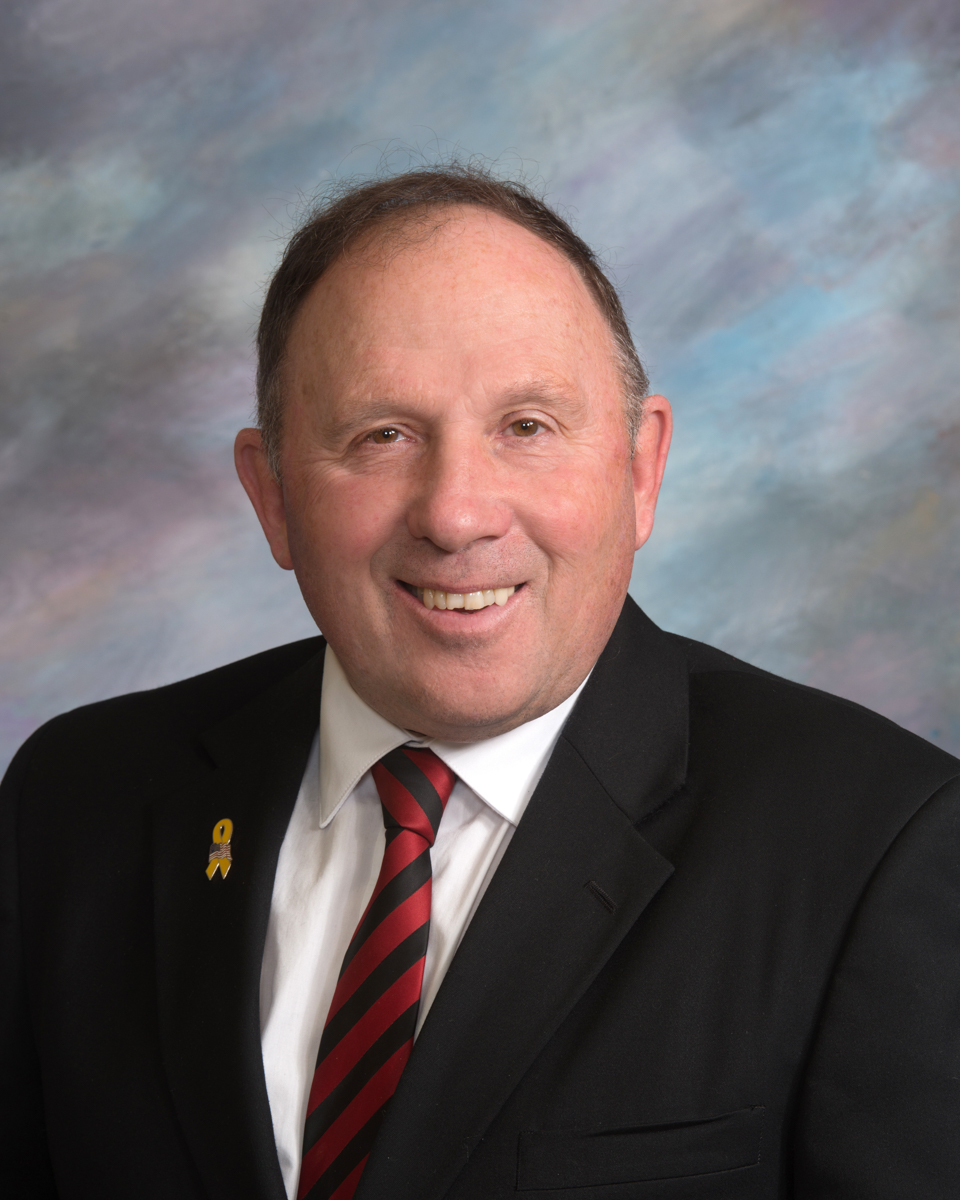
Rep. Tim Goodwin
Sponsored bills
Maddy summaryHCR 6013 is a non-binding resolution encouraging South Dakota's U.S. congressional representatives to meet annually with the state Legislature. It proposes that each member of the delegation meet for at least one hour with the Legislature (as a joint committee) to discuss federal government actions and their work representing South Dakota. The resolution does not require the delegation to attend or create new obligations, but formally invites them to engage with state lawmakers. This is a procedural gesture focused on fostering communication, not a policy change.
Maddy summaryThis House Concurrent Resolution (HCR 6012) is a symbolic gesture honoring the YMCA's 175th anniversary of service across the United States and in South Dakota. It recognizes the YMCA's historical contributions, including founding basketball, providing childcare, and serving over 17 million people annually through programs for youth, families, and communities. The resolution specifically acknowledges South Dakota's YMCA chapters, which serve nearly the entire state with 1,274 staff and 1,000 volunteers. The bill does not create new laws or alter policies; it solely expresses legislative appreciation for the YMCA's community impact.
Maddy summaryHB 1142 requires parties or their lawyers in civil lawsuits to disclose in writing to the court and other parties any third party (including organizations or individuals) who could receive payment based on the case's outcome, along with any related agreements. This disclosure must happen within 10 days of signing such an agreement or at the time of filing the lawsuit, whichever comes later. The bill excludes standard loan repayments (with interest limits) and routine attorney fee agreements from this requirement. It aims to increase transparency in civil cases involving contingent payment arrangements.
Maddy summaryHB 1165 creates two new esthetics licenses (basic and advanced) for skin care professionals in South Dakota, replacing the previous single license. It revises cosmetology and nail technology licensing rules while explicitly exempting natural hair braiders from all licensing requirements. The bill defines specific skin treatments like dermaplaning (using a blade) and microdermabrasion (mechanical exfoliation) as part of the new licensing framework. This directly affects estheticians seeking to perform these treatments, salons offering such services, and natural hair braiders who remain unlicensed under the exemption.
Maddy summaryHB 1192 allows parole consideration for inmates sentenced to life imprisonment without parole who were aged 18-26 at the time of their offense (excluding first-degree rape). It requires the parole board to review cases after 25 years of incarceration, with mandatory initial hearings within six months of eligibility. The board must consider factors like the inmate's youth at the time of crime, rehabilitation efforts, completion of educational programs, victim input, and evidence of maturity. The law applies retroactively to all qualifying inmates sentenced before July 1, 2026. It modifies existing parole eligibility rules by creating a specific pathway for this age group.
Maddy summarySouth Dakota's SB 12 allows qualifying veterans with certain disabilities (like loss of use of both lower extremities) or their unremarried surviving spouses to request refunds for property taxes paid in the previous four years if they missed the application deadline for an existing property tax exemption. The bill amends tax exemption rules to permit petitions to county commissioners for these refunds, which the commissioners may approve or deny at their discretion. It directly affects veterans and surviving spouses who previously paid taxes they might have qualified to avoid. The refund mechanism applies only to taxes paid in the four years prior to the petition, not future exemptions.
Maddy summarySB 2 amends South Dakota law to clarify that firearm silencers (devices reducing gunshot noise) are not classified as "controlled weapons." This change removes silencers from the category of weapons subject to strict state regulations, such as special permits or licensing requirements. The bill directly affects gun owners, manufacturers, and sellers of silencers in South Dakota by eliminating these regulatory barriers. The key mechanism is an amendment to the definitions section of the state's criminal code (§ 22-1-2), specifically excluding silencers from the definition of "controlled weapon."
Maddy summaryHB 1310 appropriates $10 million from South Dakota's economic development fund to provide loans for startup or expansion of custom exempt plants and slaughtering establishments (defined under §39-5-6). The loans, capped at $1 million per establishment and secondary to other financing for the same purpose, are administered by the Governor's Office of Economic Development. Funds must be used for eligible projects within the state, with unspent amounts reverting per standard procedures. The program becomes effective June 30, 2026.
Maddy summaryThis South Dakota House Concurrent Resolution (HCR 6009) urges Congress to repeal the federal estate tax. It directly affects farm and ranch families and generational family businesses, as their assets (like land and equipment) are often hard to sell quickly to pay the tax. The resolution highlights that the tax can force heirs to downsize or sell operations to cover payments, rather than allowing them to maintain family assets. The resolution is a formal request to Congress, not a law, and does not change existing tax policy.