

Maddy summaryHB 1184 defines "female" in South Dakota law as "an individual who naturally has, had, will have, or would have, but for a congenital anomaly or intentional or unintentional disruption, the reproductive system that produces, transports, and utilizes eggs for fertilization." This definition applies to all state laws, regulations, and programs. The bill prohibits state funding for any program, service, or policy that contradicts this definition of "female." It directly affects state agencies, healthcare providers, schools, and any entity receiving state funds that use gender-related terms.
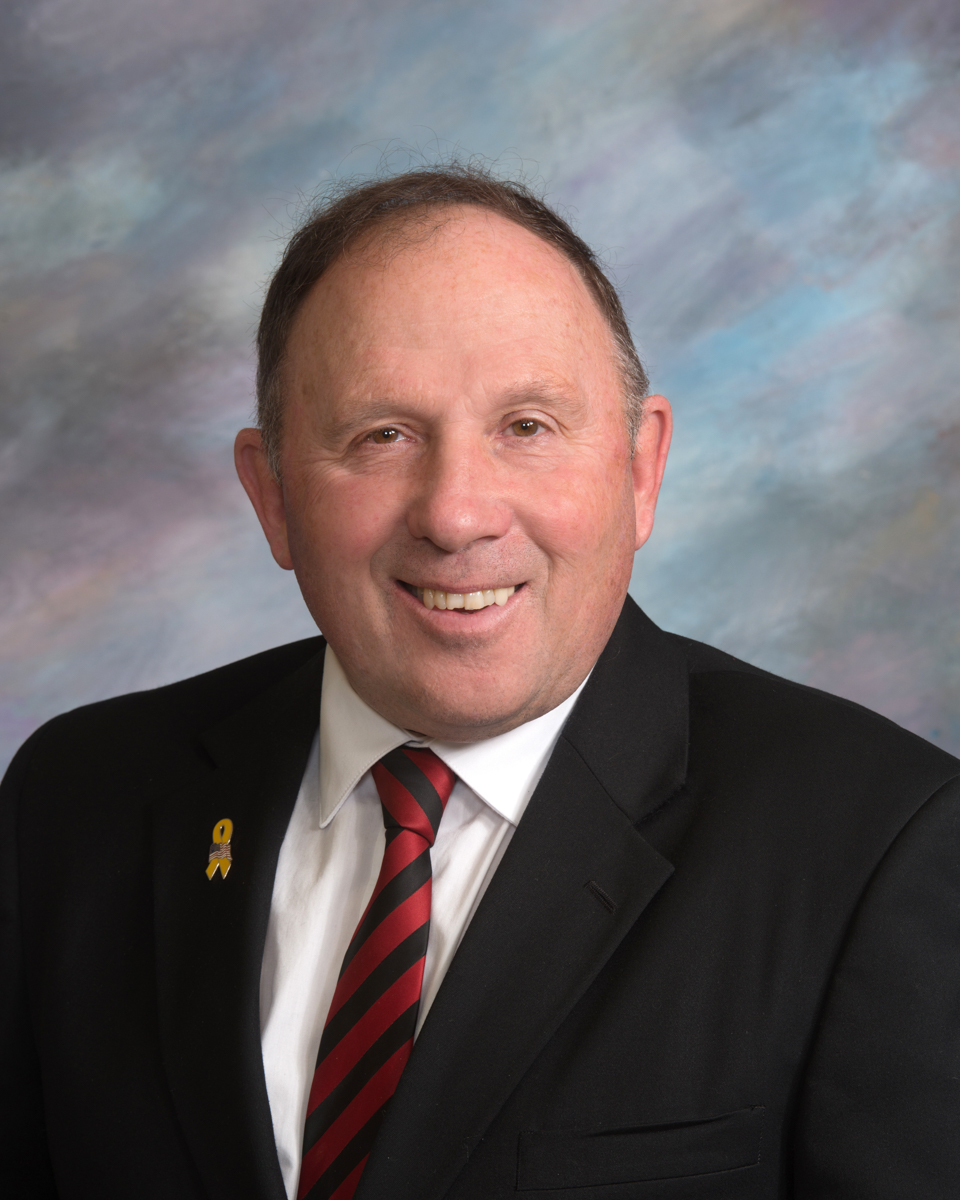
Rep. Tim Goodwin
Sponsored bills
Maddy summaryHB 1108 allows courts to immediately seal court files when protection order petitions are dismissed, either initially or after a hearing. This applies directly to individuals whose protection order cases (covered under South Dakota statutes §22-19A-8 and §25-10-3) are dismissed by a judge. The key provision requires courts to grant sealing of the entire court file upon dismissal, rather than requiring additional steps or waiting periods. This change provides a streamlined process for removing sensitive court records from public view in dismissed cases. The bill affects anyone involved in a dismissed protection order case, focusing on expediting privacy protections.
Maddy summaryHB 1140 allows South Dakota courts to require defendants on probation or parole to complete treatment at nonprofit organizations that have received state grants for "alternative care programs," specifically for individuals convicted of repeat DUI/DWI offenses. The bill adds this option as a condition of probation (under § 23A-27-18.3), requiring the defendant’s consent, program availability, and pre-sentencing application approval. It directly affects individuals convicted of third or fourth DUI/DWI offenses who are on probation or parole, offering an alternative to jail time through treatment. The law modifies driver’s license revocation rules (§ 32-23-4 and 32-23-4.6), allowing courts to permit limited driving (e.g., for work or treatment) upon successful completion of such programs. This creates a concrete pathway for court-mandated treatment instead of incarceration for eligible offenders.
Maddy summaryHB 1193 requires South Dakota counties to refund property taxes to disabled veterans and surviving spouses who qualify for tax exemptions under §§ 10-4-40 and 10-4-41 but missed application deadlines. The bill amends § 10-18-1 to explicitly allow refunds for the difference in taxes paid over the previous four years when eligibility requirements are otherwise met. This applies to veterans rated permanently and totally disabled from service-connected disabilities and their surviving spouses (including those receiving VA dependency compensation). The refund mechanism ensures counties must recalculate taxes and return overpayments when the only barrier was a missed deadline. It does not change eligibility criteria but adds a procedural remedy for administrative errors.
Maddy summaryHB 1138 requires non-medical home care agencies in South Dakota to obtain a license from the Department of Health before operating. Agencies must submit applications, pay a fee (capped at $100), and verify that home care aides complete 10 hours of mandatory training (covering dementia care, safety, nutrition, and abuse reporting) and pass criminal background checks. The bill directly affects home care agencies, their employees (home care aides), and clients receiving services like bathing assistance, meal prep, or companionship in their homes. Operating without a license is a Class 1 misdemeanor, and agencies must maintain client records and allow department inspections.
Maddy summarySB 151 requires county auditors to send election results for precinct committeeman or committeewoman positions to the secretary of state, who must then post these results on the state website. This affects county election officials and the secretary of state’s office, ensuring public access to local party committee election outcomes. The bill does not change voting procedures or impact voters directly - it only mandates online publication of existing results. An emergency declaration allows the law to take effect immediately upon approval.
Maddy summarySB 204 revises loan criteria for the South Dakota Housing Infrastructure Fund. It changes the fund's distribution to allocate 50% of monies to housing infrastructure in municipalities with populations over 50,000 (previously 30%) and 50% to other areas (previously 70%). The bill also increases the maximum loan amount from one-third to one-half of a housing infrastructure project's total cost and allows up to 1% of the loan principal to cover administrative expenses. This directly affects municipalities, housing developers, and projects seeking infrastructure loans under the fund.
Maddy summaryHB 1244 repeals South Dakota’s special donations fund (created under § 13-66-3) and appropriates $500,000 from the general fund to the Department of Education. This grant supports the Jobs for America's Graduates-South Dakota program by providing financial assistance to school districts and accredited nonpublic schools implementing the initiative. The funds must match private donations or federal grants for program operations and cannot be added to an endowment. It directly affects schools participating in the JAG program and transfers existing funds from the repealed special donations fund into the general fund. The bill takes effect June 30, 2026.
Maddy summaryHB 1215 allows South Dakota counties and municipalities to issue licenses for cigar bars, directly affecting business owners seeking to operate such establishments and local governments responsible for licensing. The bill requires cigar bars to have a humidor, be fully enclosed with proper ventilation, generate at least 10% of income from cigar sales, and prohibit all tobacco products except cigars. Local governments must hold public hearings for applications and report annual cigar sales income to the Department of Revenue, while also posting clear smoking restrictions. The law explicitly excludes these venues from other liquor license limits and prohibits transferring licenses to new owners.
Maddy summarySouth Dakota's SB 60 restricts ownership of land within 10 miles of military bases by entities designated as "prohibited" under state law. It requires these entities to sell any existing property in the "restricted zone" within two years (or three years if inherited) and bans new ownership or control of such property. The law mandates that property buyers sign an affidavit confirming compliance, and the Attorney General can enforce violations through court actions to forfeit non-compliant property. This bill directly affects property owners and investors near military installations, with enforcement focused on compliance rather than new regulations.