

Maddy summaryHB 1299 allows small lodging establishments (with 15 or fewer sleeping rooms) to apply for a permit to use biological filtration systems in their water recreational facilities, such as pools or spas. These systems filter water naturally using plants, beneficial bacteria, and microbes - without relying on continuous chemical disinfectants - to meet public health and safety standards. To obtain a permit, establishments must submit proof the system meets water quality requirements, pay a $50 fee, and undergo annual department inspections. If an inspection fails, the permit is revoked, and reapplication is barred for one year. The bill requires the department to establish rules for applications, maintenance, and testing procedures.
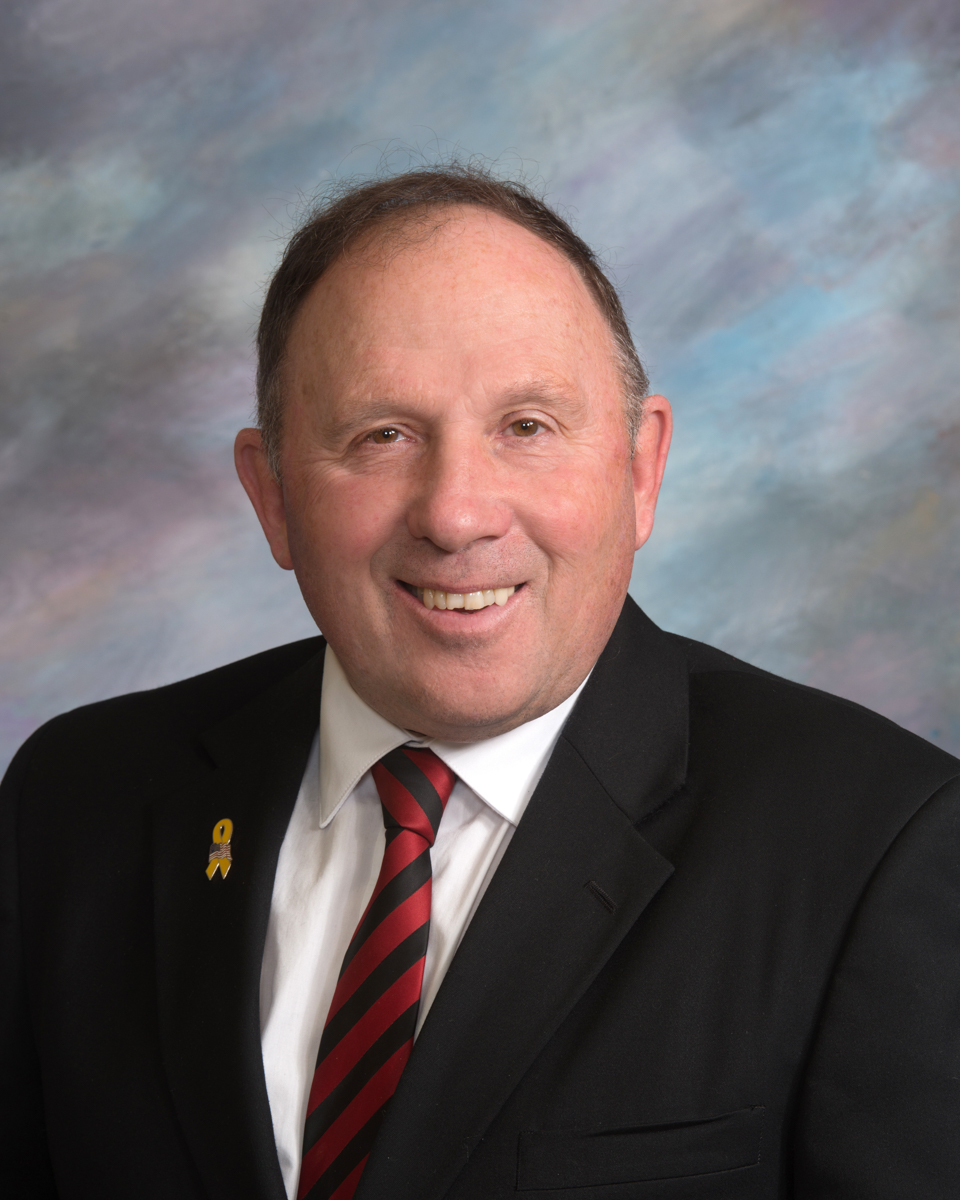
Rep. Tim Goodwin
Sponsored bills
Maddy summaryHB 1264 eliminates the Agricultural Land Assessment Implementation and Oversight Advisory Task Force, which previously reviewed recommendations about agricultural land valuation methods. Instead, the Department of Revenue will directly receive recommendations from entities like South Dakota State University and provide an annual report to the legislature's Taxation Committees. The bill does not change the existing valuation process, which uses eight years of crop and livestock data (discarding the highest and lowest years and averaging the remaining six) to determine agricultural land values. This affects the Department of Revenue and entities submitting recommendations, but leaves assessment methods unchanged.
Maddy summaryHB 1254 exempts soil amendments sold in single purchases of 500 pounds or more from South Dakota's sales tax, but only when used exclusively for farming. This directly affects farmers or agricultural businesses buying these products in qualifying bulk amounts. The bill adds a specific tax exemption to state law, removing sales tax from qualifying soil amendments defined under existing law. It does not change tax rates for other products or apply to smaller purchases or non-agricultural uses.
Maddy summaryThis bill exempts victims of human trafficking or domestic abuse from specific clemency notice requirements when applying for clemency. It directly affects individuals in these victim categories who are seeking clemency by removing a requirement to receive certain notices. To qualify, applicants must submit their own affidavit confirming victim status (citing specific statutes) plus affidavits from two professionals (e.g., law enforcement, mental health providers, or victim advocates) who verify the claim. The professionals must represent different agencies to ensure independent verification.
Maddy summarySB 219 requires South Dakota state agencies to consult the Aeronautics Commission before purchasing, selling, or moving any state-owned aircraft, including drones and unmanned aircraft systems. The bill mandates that the Commission provide written advice to both the agency and the Governor on these transactions. This applies to all state agencies and institutions handling aircraft, adding a formal review step to such decisions.
Maddy summaryHB 1089 modifies how South Dakota distributes severance tax revenue from precious metals mining. It changes the rules for permits issued on or after July 1, 2026: 80% of the tax revenue goes to the state general fund, while 20% is sent to the county where mining occurs. Unlike previous rules, this 20% county share cannot be reduced if a mining company is acquired. The bill also maintains that revenue from mining on state-owned land must go to the common school permanent fund. This directly affects new mining permit holders after 2026 and the counties where they operate.
Maddy summarySB 102 modifies how South Dakota distributes gaming revenues after the City of Deadwood receives $6.8 million annually from the Gaming Commission fund. It shifts the allocation over time: starting in 2026, 70% of remaining funds go to the state general fund (reducing to 20% by 2029), while 10% each goes to Lawrence County municipalities (excluding Deadwood) based on population, school districts in Lawrence County based on student enrollment, and Deadwood itself for historic preservation. Deadwood’s share increases from 10% in 2026 to 60% by 2029. The bill directly affects state budgets, Lawrence County communities, local schools, and Deadwood’s historic preservation efforts.
Maddy summaryHB 1066 revises South Dakota's theft statute to clarify that contractors, subcontractors, or suppliers do not commit theft by withholding payment proceeds until work is completed and approved. The bill amends Section 44-9-13 to explicitly state that holding funds pending final work approval is not a violation of the theft law. This directly affects construction industry professionals who handle project payments and must pay for labor or materials before using funds. The key change removes ambiguity about when withholding payment constitutes theft, specifically excluding legitimate holds for completed work. The amendment maintains existing penalties for actual theft but clarifies the legal boundary for payment management.
Maddy summarySB 106 modifies South Dakota's funding for special education by increasing the state's annual allocation for unforeseen costs. Starting July 1, 2026, $4.5 million must be set aside for extraordinary expenses in special education programs, rising annually by an inflation index starting July 1, 2027, with a maximum cap of $5.5 million per year. Unspent funds will not revert to the general state budget, ensuring they remain available for future special education needs. The bill directly affects school districts providing special education services to children with disabilities across South Dakota.
Maddy summarySB 89 requires all South Dakota counties and municipalities to ensure a minimum level of emergency medical services (including response times, staffing, and treatment protocols) are available within their boundaries for prehospital care. It directs the state health department to create rules defining these minimum standards, covering aspects like ambulance response and required personnel. The bill also establishes a legislative task force to study funding mechanisms for these services and report recommendations by November 2026. The law would take effect on July 1, 2028, impacting local governments responsible for emergency medical service provision.