

Maddy summaryHB 1207 aims to update the legal definition and penalties for rape in the first degree in South Dakota. The bill revises existing provisions to clarify what constitutes the crime and establishes specific punishment guidelines for those convicted. It directly affects individuals charged with or convicted of first-degree rape, as well as the state's criminal justice system. The legislation seeks to ensure the laws align with current legal standards while maintaining consistent sentencing for this serious offense.
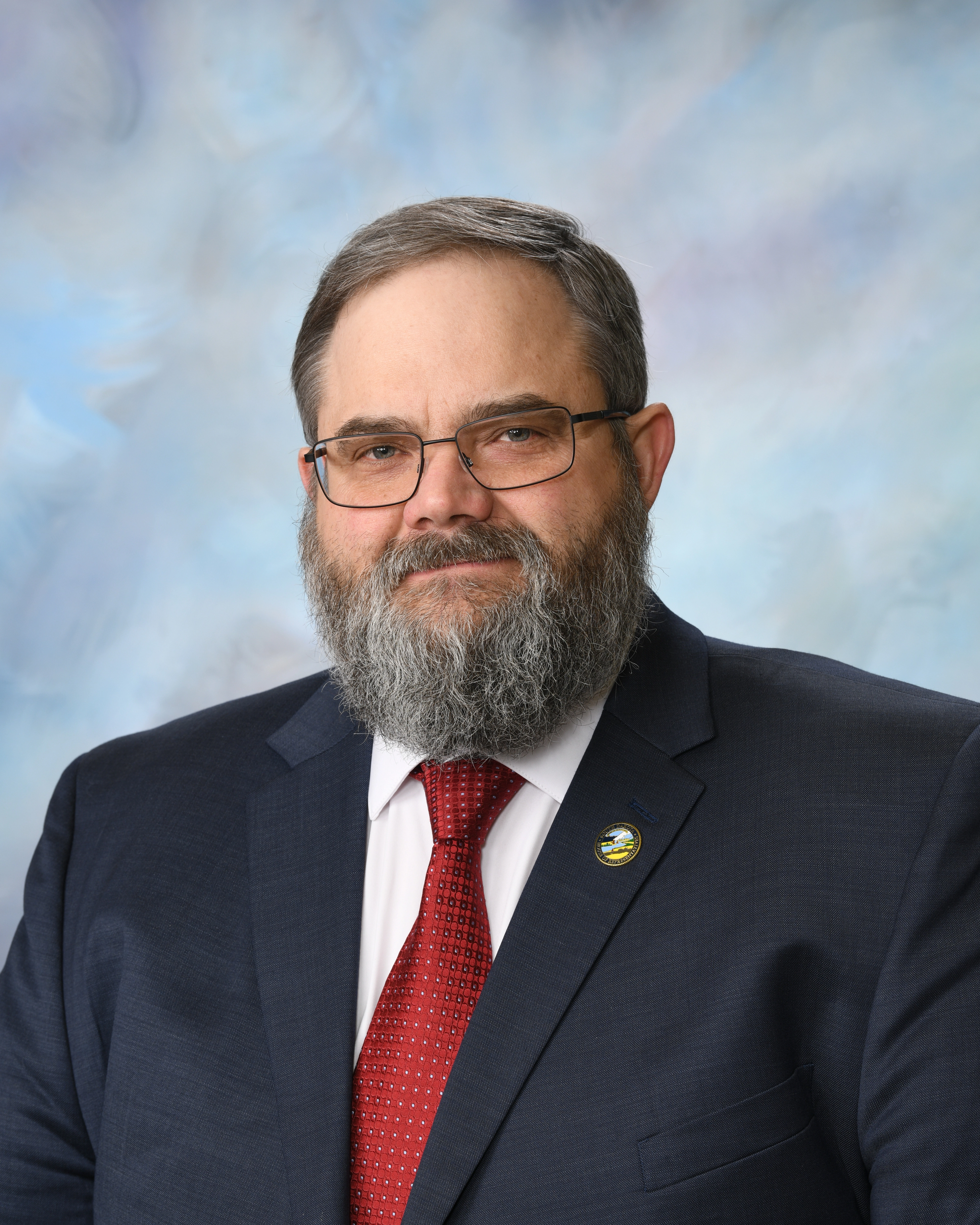
Rep. Travis Ismay
Sponsored bills
Maddy summaryHB 1101 seeks to repeal existing provisions related to medical marijuana in South Dakota. This bill would directly affect individuals who currently hold medical marijuana cards and healthcare providers who dispense the substance. The key mechanism involves removing legal protections and regulations that allow for the medical use of cannabis within the state. If enacted, this action would eliminate the current framework governing medical marijuana access and distribution.
Maddy summaryHB 1220 amends the procedures for verifying registered voters in South Dakota's master registration file. The bill directly affects election officials and the voters listed in the state's voter database. It updates the rules for how voter information is checked and maintained to ensure accuracy in the registration system. This change modifies existing verification processes without altering voter eligibility requirements.
Maddy summaryThis bill prohibits the South Dakota Board of Regents and institutions under its control from mandating that students live in on-campus housing or purchase meal plans. The legislation directly affects students at state universities and colleges by removing requirements that previously forced them to reside on campus or buy dining services. Under the new rules, students would have the option to live off-campus and prepare their own meals without penalty or loss of benefits. The change gives students more flexibility in managing their living arrangements and reduces mandatory spending on university housing and food services.
Maddy summaryThis bill prohibits South Dakota state agencies from enforcing or implementing directives issued by intergovernmental organizations. It applies to all state departments and officials who might otherwise comply with such external mandates. The legislation establishes penalties for any person or entity that violates this prohibition by enforcing or implementing these directives. The bill aims to ensure state compliance with state laws over external organizational requirements.
Maddy summaryThe provided text contains only a browser compatibility error message and does not include the actual bill text or details for HB 1201. Without access to the substantive content of the legislation, it is impossible to generate a summary explaining what the bill does, its key provisions, or who it affects. To provide an accurate summary, the full text of the bill would need to be supplied.
Maddy summarySB 74 requires the South Dakota government to publish and review an explanation of the state's open meeting laws. This bill directly affects state agencies and officials who must ensure public transparency in their meetings. The key provision mandates that a clear explanation of these laws be made available for public review. This change aims to improve public understanding of how open meeting laws operate in the state.
Maddy summaryHB 1185 prohibits the use of public education funds for lobbying activities in South Dakota. This law directly affects school districts and state education agencies by restricting how taxpayer money designated for education can be spent. The bill ensures that funds intended for schools and educational programs cannot be diverted to support political advocacy or influence legislation. By limiting the use of these specific public moneys, the measure aims to maintain a clear distinction between educational funding and political spending.
Maddy summaryThis bill requires manufacturers of agricultural equipment in South Dakota to allow independent repair providers and equipment owners to perform certain repairs. It mandates that manufacturers provide necessary parts, tools, and technical information to enable these repairs without requiring the use of authorized service centers. The law aims to increase competition and reduce repair costs for farmers and agricultural businesses by preventing manufacturers from restricting repair services to their own technicians. This policy change applies to all agricultural equipment manufacturers operating within the state and affects both the equipment owners and third-party repair shops.
Maddy summaryThis bill allows producers in South Dakota to sell poultry and pork they have processed at home, provided they meet specific food safety training requirements. The legislation requires sellers to verify that they have completed approved food safety courses before offering these products for sale. This change expands the ability of local farmers to sell their own processed meat products directly to consumers while maintaining food safety standards. The bill does not apply to commercial processing facilities or meat sold through traditional retail supply chains.