

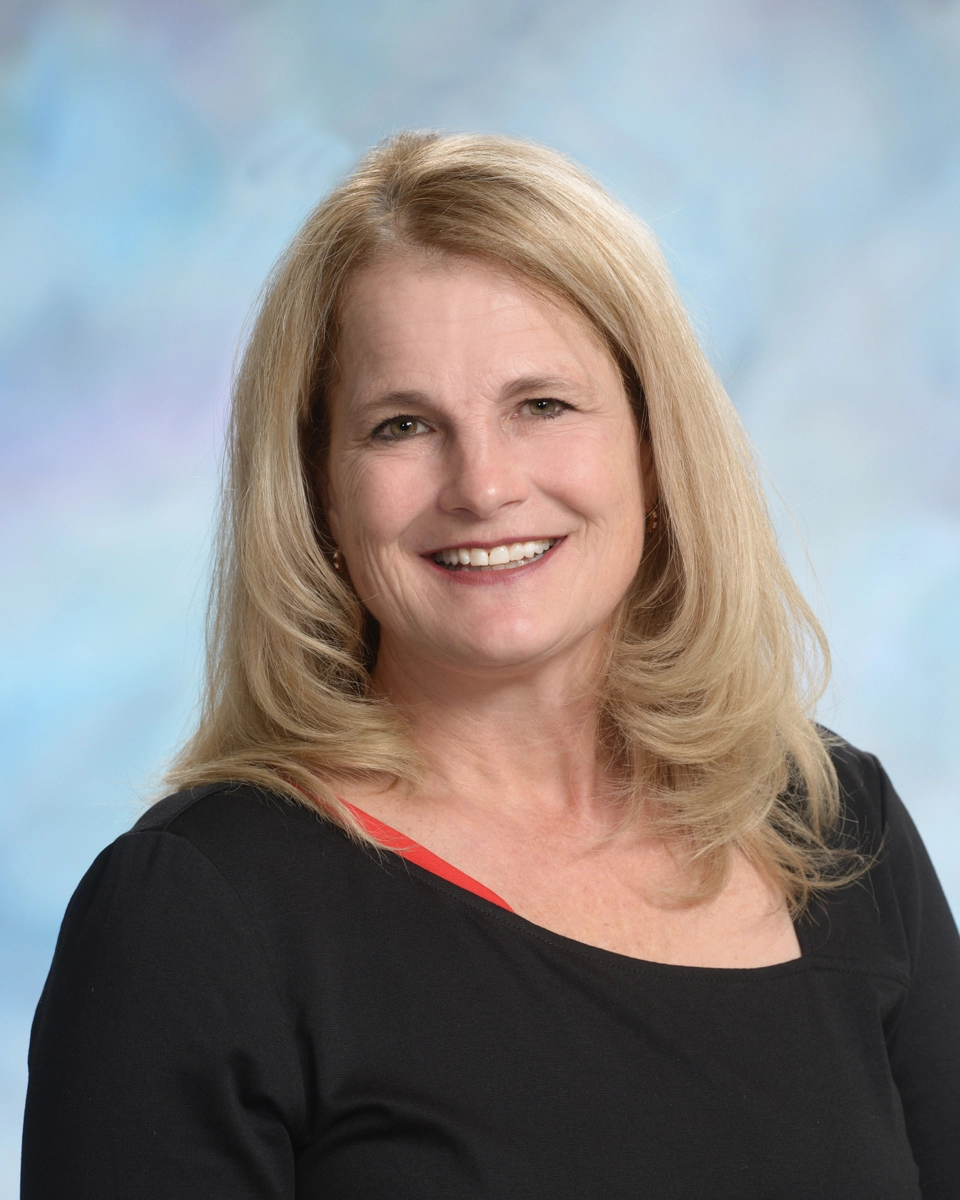
Photo of Julie Auch
R South Dakota House · District 18

Rep. Julie Auch

Compare
Total votes
1,472
all sessions
Attendance
100%
of floor votes
Higher than 80% of chamber peers
With party
82%
of cast votes
Lower than 80% of chamber peers
Bipartisan score
11%
some cross-party votes
Near the chamber average
Sponsored
168
bills & resolutions
Near the chamber average
Committees
3
assignments
168 bills and resolutions

Sponsored bills

Total
168
Primary
168
Co-sponsor
0
This page
168
matching current filters
Primary HB 1317
Passed · South Dakota House · Lead sponsor
eliminate a limit on the accumulation of the unused index factor for property taxation.

Maddy summaryHB 1317 removes a 10% annual cap on how much South Dakota counties and municipalities can increase property taxes using accumulated unused index factors. Currently, local governments could only raise taxes based on these factors up to the prior three years' total or 10%, whichever was lower. The bill eliminates the 10% limit, allowing them to use all accumulated unused index factors from prior years without this restriction. This directly affects local governments' ability to adjust property tax revenue annually. The change modifies how county auditors calculate annual tax revenue limits under state law.

Passed Feb 20, 2026 0 co-sponsors
Primary SB 218
Passed · South Dakota Senate · Lead sponsor
provide for the establishment of charter schools.

Maddy summarySB 218 establishes a legal framework for charter schools in South Dakota. It defines charter schools as public schools operating under contracts with school districts or the state education department, granting them exemptions from most state education laws while requiring compliance with civil rights, health/safety rules, and standardized testing. The bill mandates annual performance reporting to the state, outlines application requirements for nonprofit organizers (including community support and financial plans), and specifies that charter schools must serve grades K-12 nonsectarianly without religious instruction. This directly affects school districts (as authorizing entities), nonprofit organizers seeking to open charter schools, and students enrolled in these schools.

Passed Feb 20, 2026 0 co-sponsors
Primary SB 109
Passed · South Dakota Senate · Lead sponsor
modify requirements to create a tax increment financing district.

Maddy summarySB 109 modifies South Dakota's rules for creating tax increment financing (TIF) districts, which are areas where increased property tax revenue from development is used to fund improvements. The bill requires that at least 50% of a district's area must be designated as "blighted" (meeting specific criteria like deteriorated structures or unsafe conditions) or serve economic development purposes. It also adds new consent requirements: counties need municipal approval to create districts within city limits, and municipalities need county approval for districts in unincorporated areas. The bill clarifies the definition of "blighted area" to include factors like substandard structures, inadequate infrastructure, or safety hazards. These changes directly affect local governments (municipalities and counties) seeking to establish TIF districts for redevelopment projects.

Passed Feb 20, 2026 0 co-sponsors
Primary HB 1224
Passed · South Dakota House · Lead sponsor
protect persons from discrimination by financial institutions.

Maddy summaryHB 1224 prohibits South Dakota financial institutions from denying or restricting banking services (like checking accounts, loans, or credit cards) based on a person's religious exercise, free speech, or lawful economic activity. It requires institutions to provide a specific, written explanation within 30 days if they take an adverse action, detailing whether protected activities influenced the decision - replacing vague reasons like "internal policies." The bill bans agreements to discriminate and makes violations a deceptive trade practice under existing state law. It applies to large institutions processing over $100 billion in annual transactions, with exceptions for legitimate business reasons like account defaults or legal compliance.

Passed Feb 20, 2026 0 co-sponsors
Primary HB 1222
In committee · South Dakota House · Lead sponsor
prohibit members of the Board of Economic Development from having any interest in moneys from or approved by the Board of Economic Development.

Maddy summaryHB 1222 prohibits members of South Dakota's Board of Economic Development from holding any financial interest (such as ownership or board membership) in entities that receive funding, grants, or public money approved by the Board. This directly affects Board members and businesses or organizations seeking economic development funds. The key provision bans conflicts of interest by ensuring Board members cannot benefit financially from the organizations they help fund. The bill aims to prevent self-dealing in economic development funding decisions.

In committee Feb 19, 2026 0 co-sponsors
Primary HB 1318
Passed · South Dakota House · Lead sponsor
prohibit natural asset companies.

Maddy summaryHB 1318 prohibits South Dakota from engaging with or investing in "natural asset companies," defined as for-profit entities that manage ecological resources like soil, biodiversity, or water quality for financial gain. The bill bans state contracts, investments, and bonds involving these companies, prohibits them from operating in the state, and voids any contracts entered after July 1, 2026. It also requires the Secretary of State to revoke business licenses for such companies and prevents natural assets (e.g., land, water rights) from being transferred to them. The law applies broadly to corporations and LLCs classified as natural asset companies but excludes state retirement systems and investment councils.

Passed Feb 18, 2026 0 co-sponsors
Primary SB 128
Passed · South Dakota Senate · Lead sponsor
update provisions related to certain large-use customers of utilities.

Maddy summarySB 128 requires data centers (defined as facilities managing electronic data) to notify local water providers about projected water use and implement closed-loop cooling systems that limit net water withdrawal. It prohibits these facilities from exceeding water usage limits after residential and essential public services are allocated, and mandates reduced use during declared water shortages. Data centers must submit quarterly public reports detailing water usage and compliance. The bill directly affects large data center operators in South Dakota, focusing on sustainable water management for this growing sector.

Passed Feb 18, 2026 0 co-sponsors
Primary SB 127
Passed · South Dakota Senate · Lead sponsor
limit nuisances caused by data centers.

Maddy summarySB 127 limits data center operations to reduce disruptions for nearby residents. It prohibits new data centers within one mile of residential areas (though local governments can set stricter rules) and caps continuous noise at 45 decibels near residential property lines. The bill defines data centers broadly to include cloud services, cryptocurrency mining, and streaming platforms. Violations would be deemed legal nuisances, allowing state attorneys or affected residents to seek court orders to stop the disruptions.

Passed Feb 18, 2026 0 co-sponsors
Primary HB 1289
Passed · South Dakota House · Lead sponsor
modify requirements to create a tax increment financing district.

Maddy summaryHB 1289 modifies South Dakota's rules for creating tax increment financing (TIF) districts, which local governments use to fund development projects by capturing future tax growth in designated areas. The bill changes the requirement that a district's assessed value plus existing TIF districts cannot exceed 10.5% (previously 50%) of a political subdivision's total taxable property value. It also revises the criteria for designating a TIF district, requiring that either 25% of the district's area be blighted or 50% must stimulate economic development, and adds new consent rules: counties need municipal approval to create a TIF within city limits, and cities need county approval for TIFs spanning county areas. These changes directly affect counties and municipalities seeking to establish TIF districts for economic development projects.

Passed Feb 17, 2026 0 co-sponsors
Primary HB 1171
Failed · South Dakota House · Lead sponsor
establish provisions related to the disclosure of COVID-19 and mRNA vaccination status and blood donations.

Maddy summaryHB 1171 requires blood donation centers in South Dakota to ask donors if they've received a COVID-19 or mRNA vaccination and to label blood bags if they have. It prohibits disclosing the donor's personal information on the label. Patients needing non-emergency blood transfusions can request blood from donors with or without these vaccinations, and healthcare providers must provide that blood if available. The law directly affects blood donors, donation centers, and patients receiving transfusions, creating new disclosure and request mechanisms while banning discrimination based on vaccination status.

Failed Feb 17, 2026 0 co-sponsors
Showing 11 to 20 of 168 bills