

Issue · Criminal Justice
Criminal Justice (Domestic Violence)
Every criminal justice bill, vote, and legislator stance in South Dakota, automatically classified by Maddy, our AI policy reader.
Total bills
1
2026 Regular Session
Top supporter
Al Novstrup
100% support rate
Top opponent
Aaron Aylward
0% support rate
Ranked legislators
10
5 support · 5 oppose
Key legislators
Who's moving domestic violence in South Dakota
| Legislator | Party | Stance | Support rate | Decisive votes |
|---|---|---|---|---|
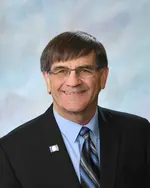
Al Novstrup
House · District 3
|
R |
Strong +
|
100% | 5 |
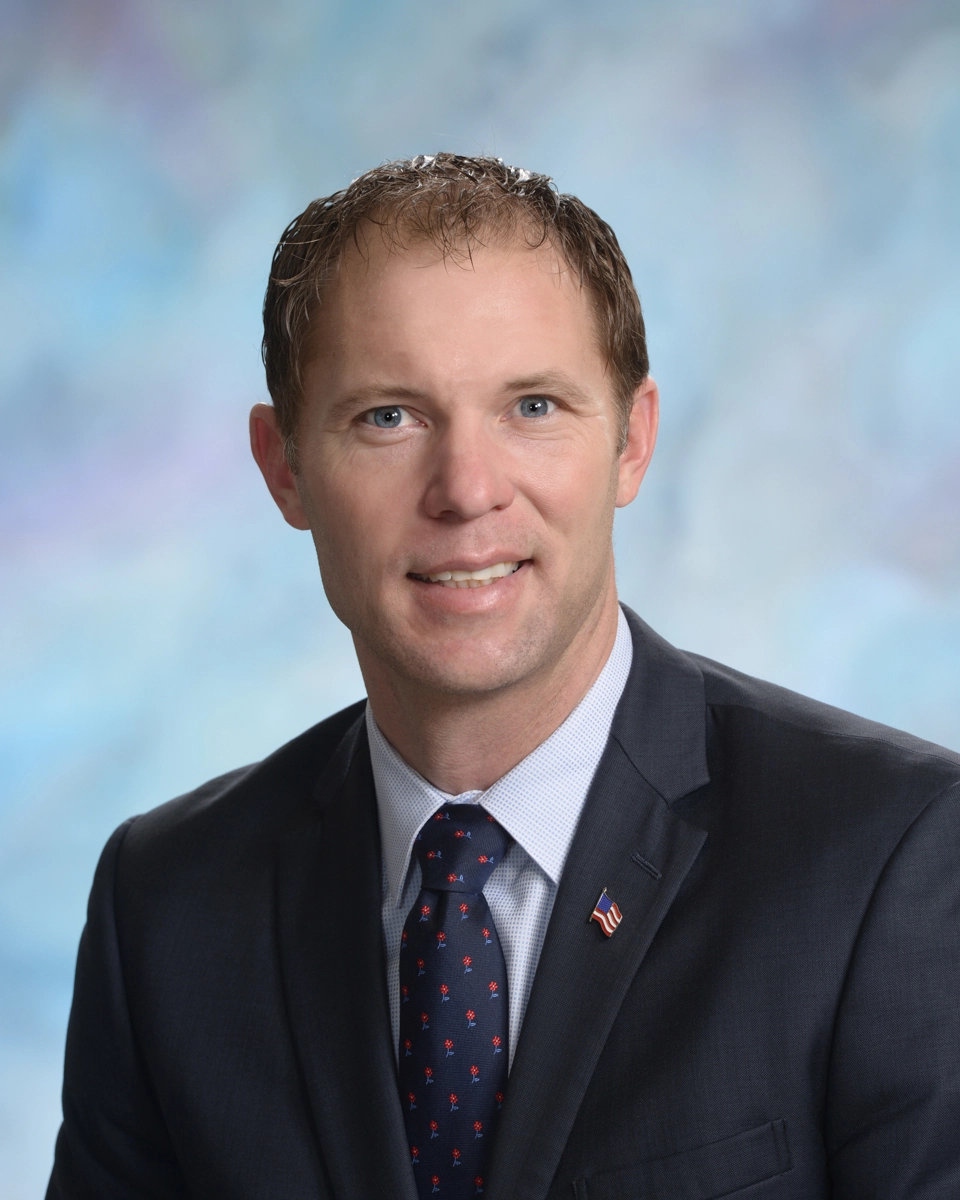
Chris Kassin
House · District 17
|
R |
Strong +
|
100% | 5 |
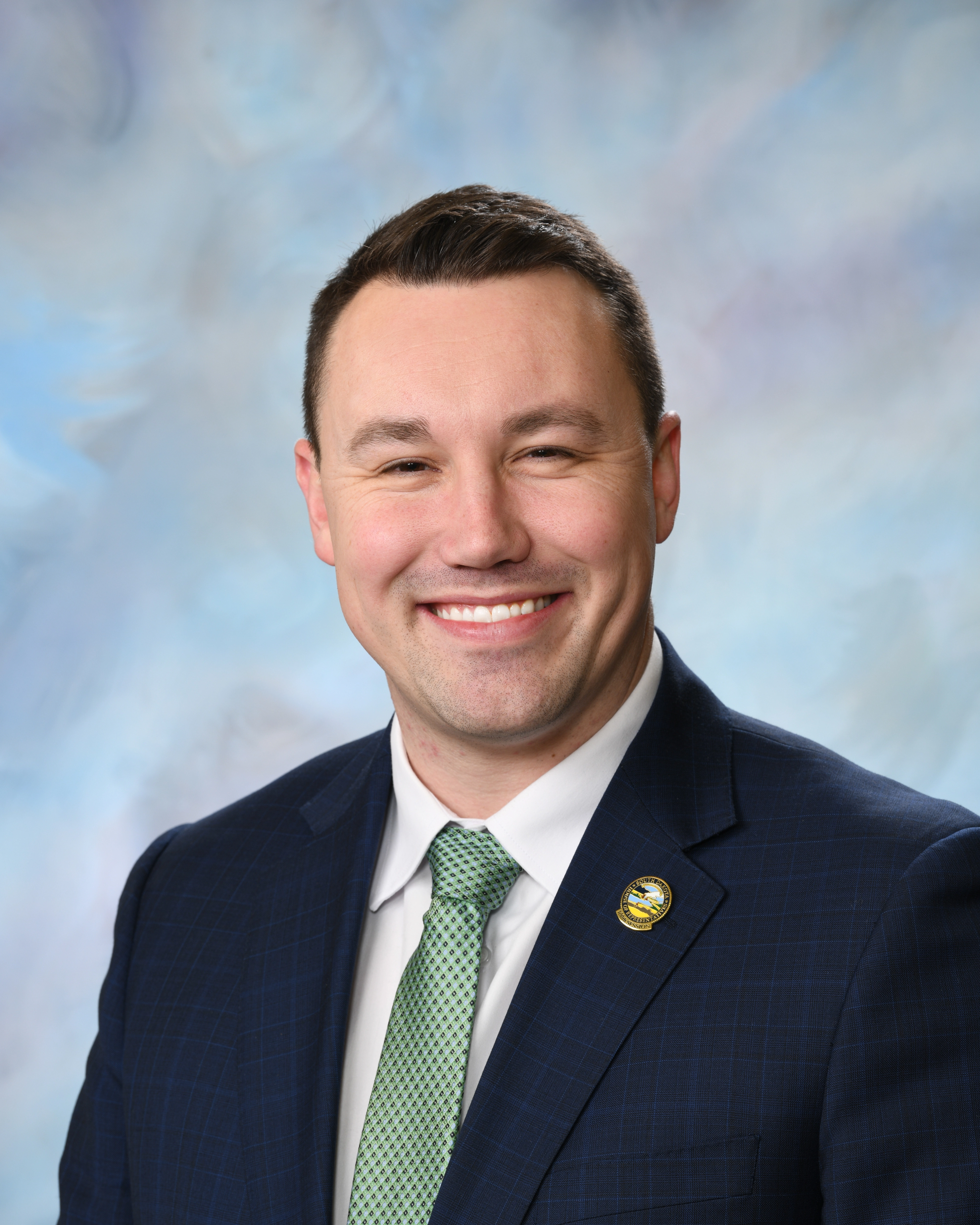
Erik Muckey
House · District 15
|
D |
Strong +
|
100% | 5 |
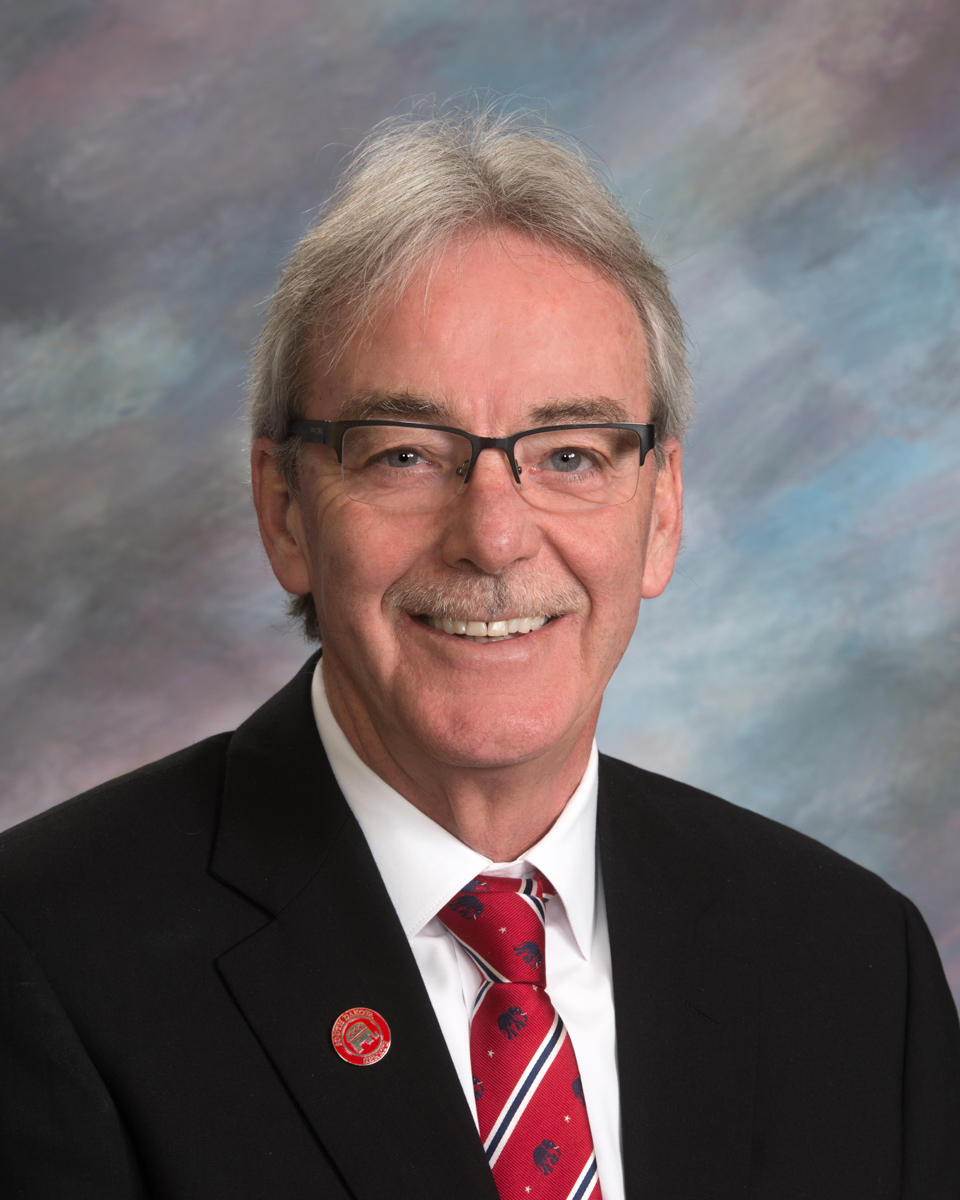
Jack Kolbeck
House · District 13
|
R |
Strong +
|
100% | 5 |
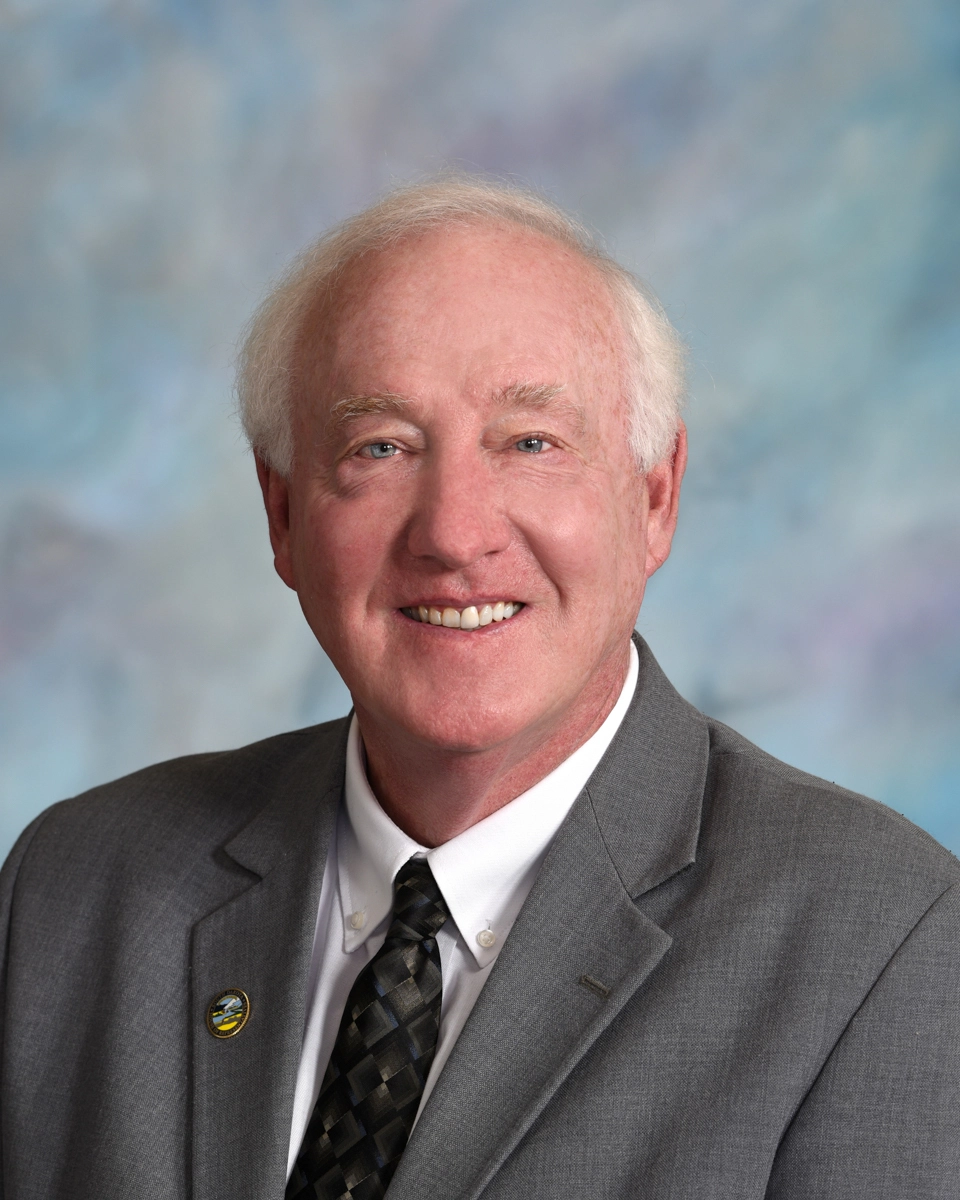
Mike Derby
House · District 34
|
R |
Strong +
|
100% | 5 |
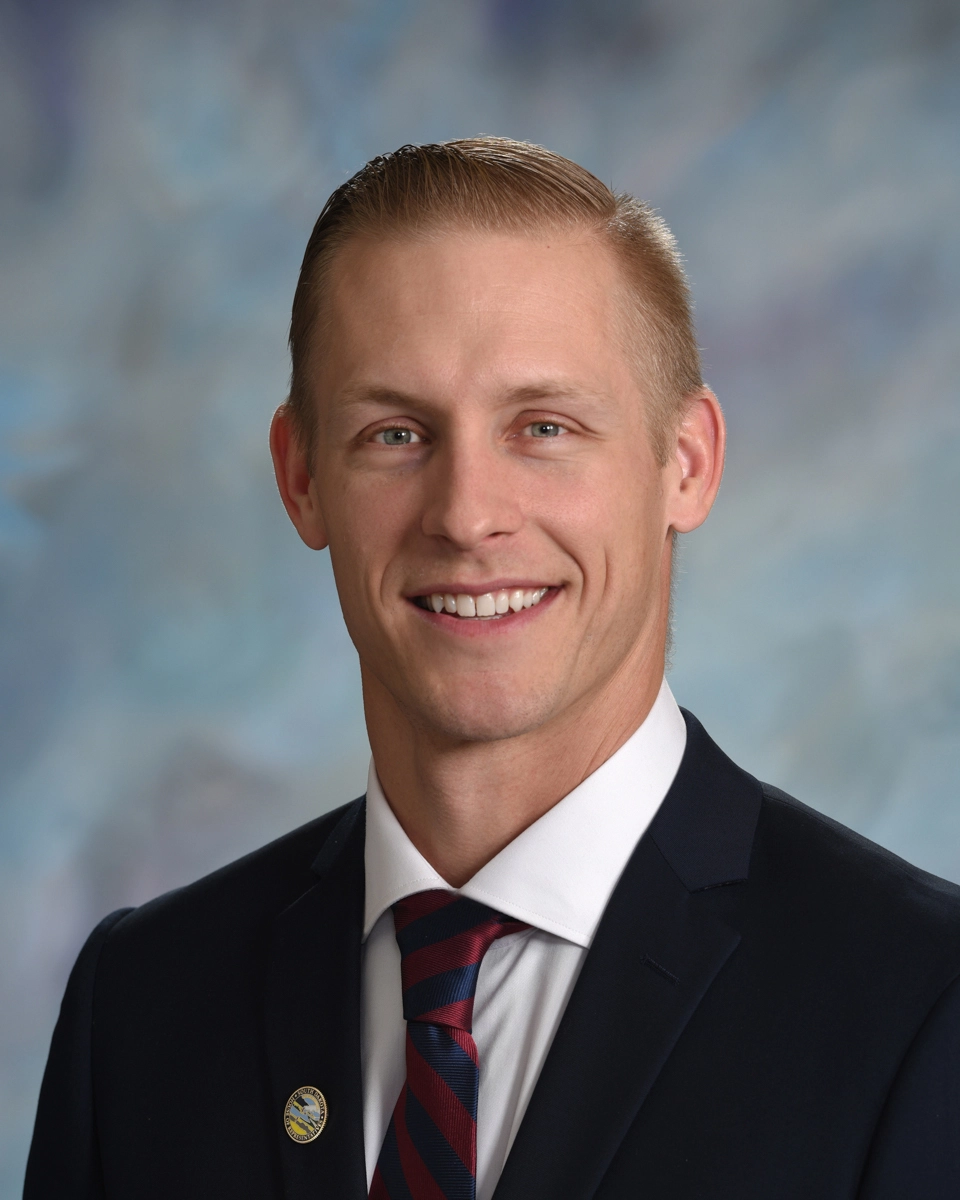
Aaron Aylward
House · District 6
|
R |
Strong −
|
0% | 4 |
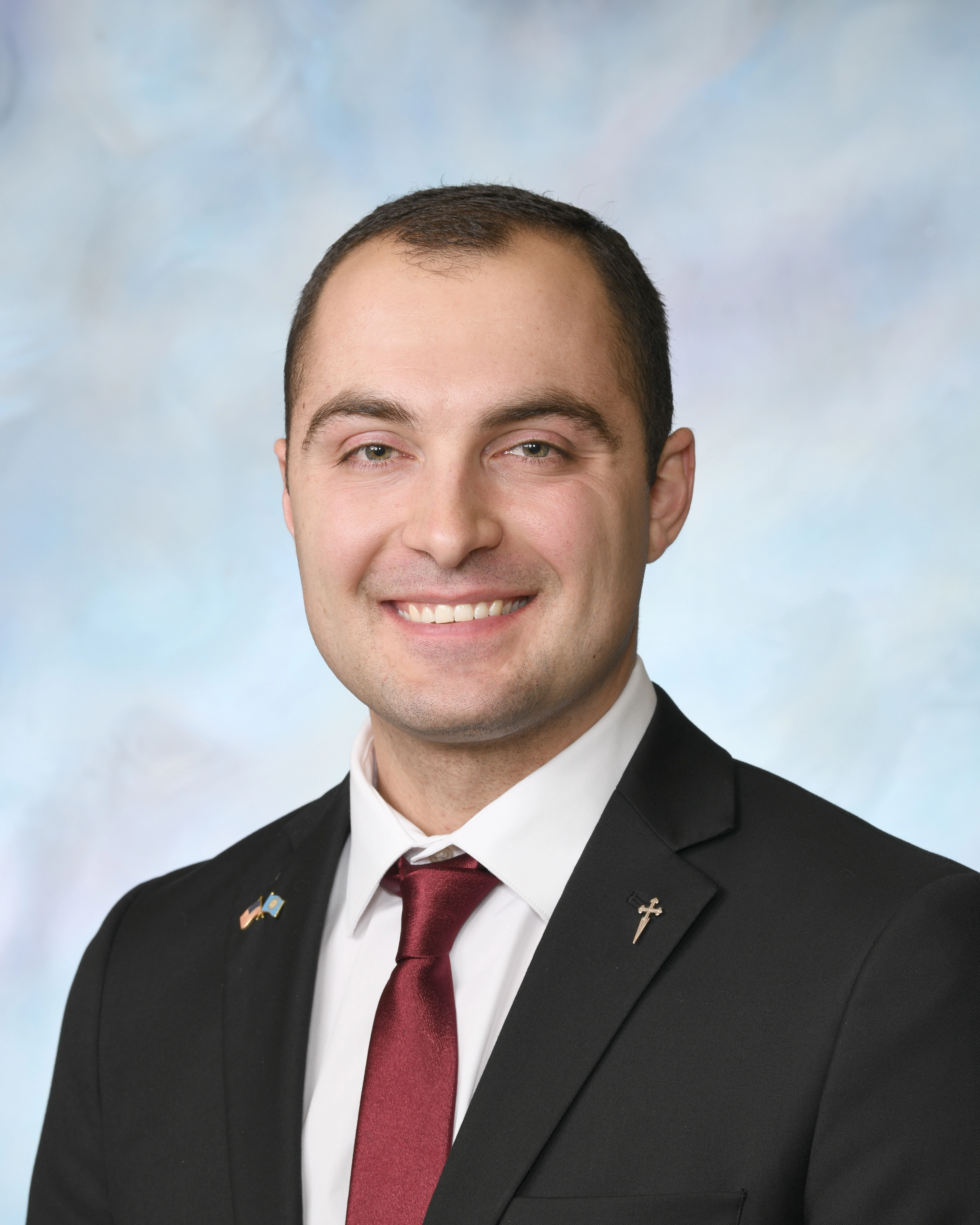
Logan Manhart
House · District 1
|
R |
Strong −
|
0% | 4 |
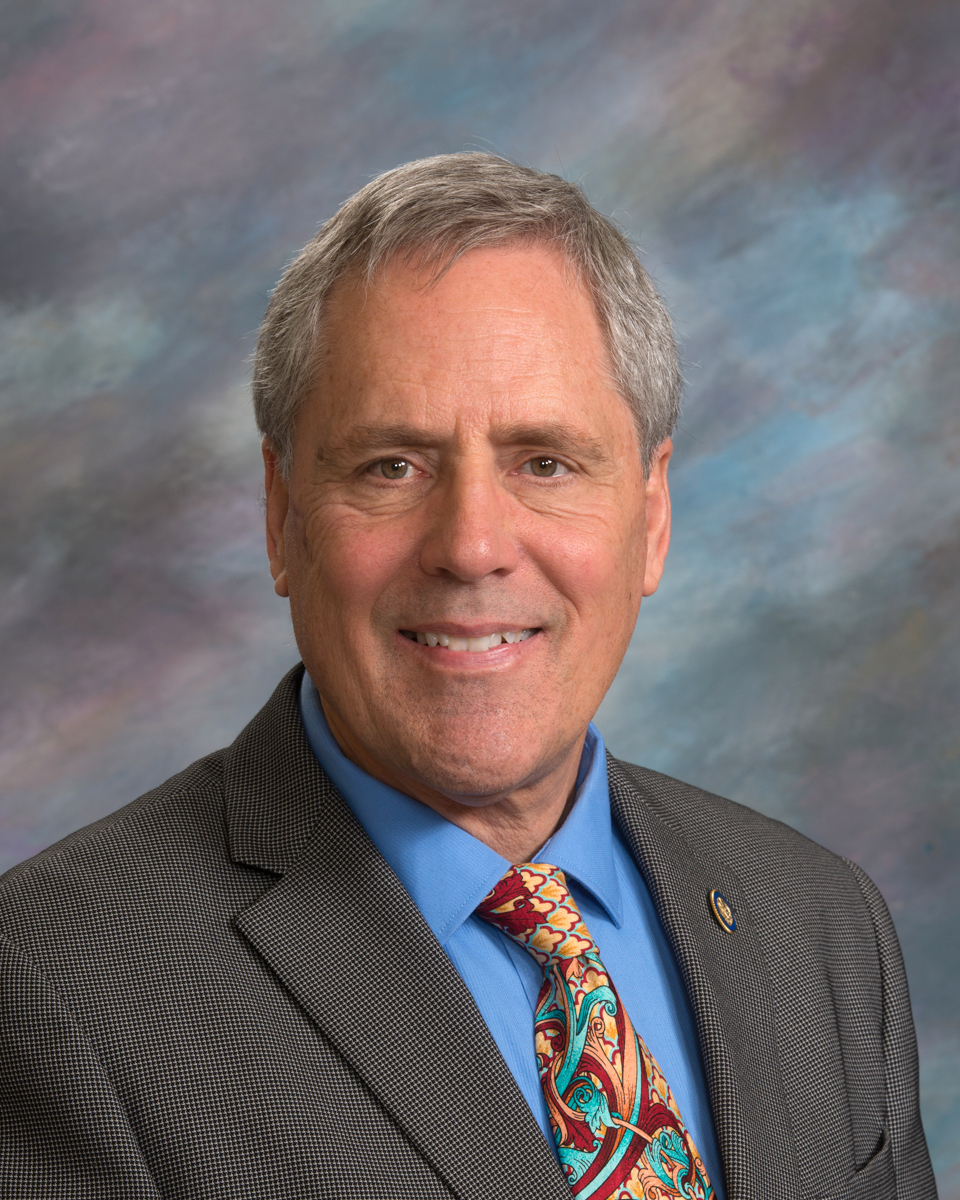
Phil Jensen
House · District 33
|
R |
Strong −
|
0% | 4 |
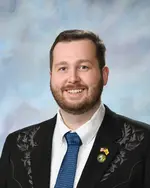
Dylan Jordan
House · District 4
|
R |
Oppose
|
25% | 4 |
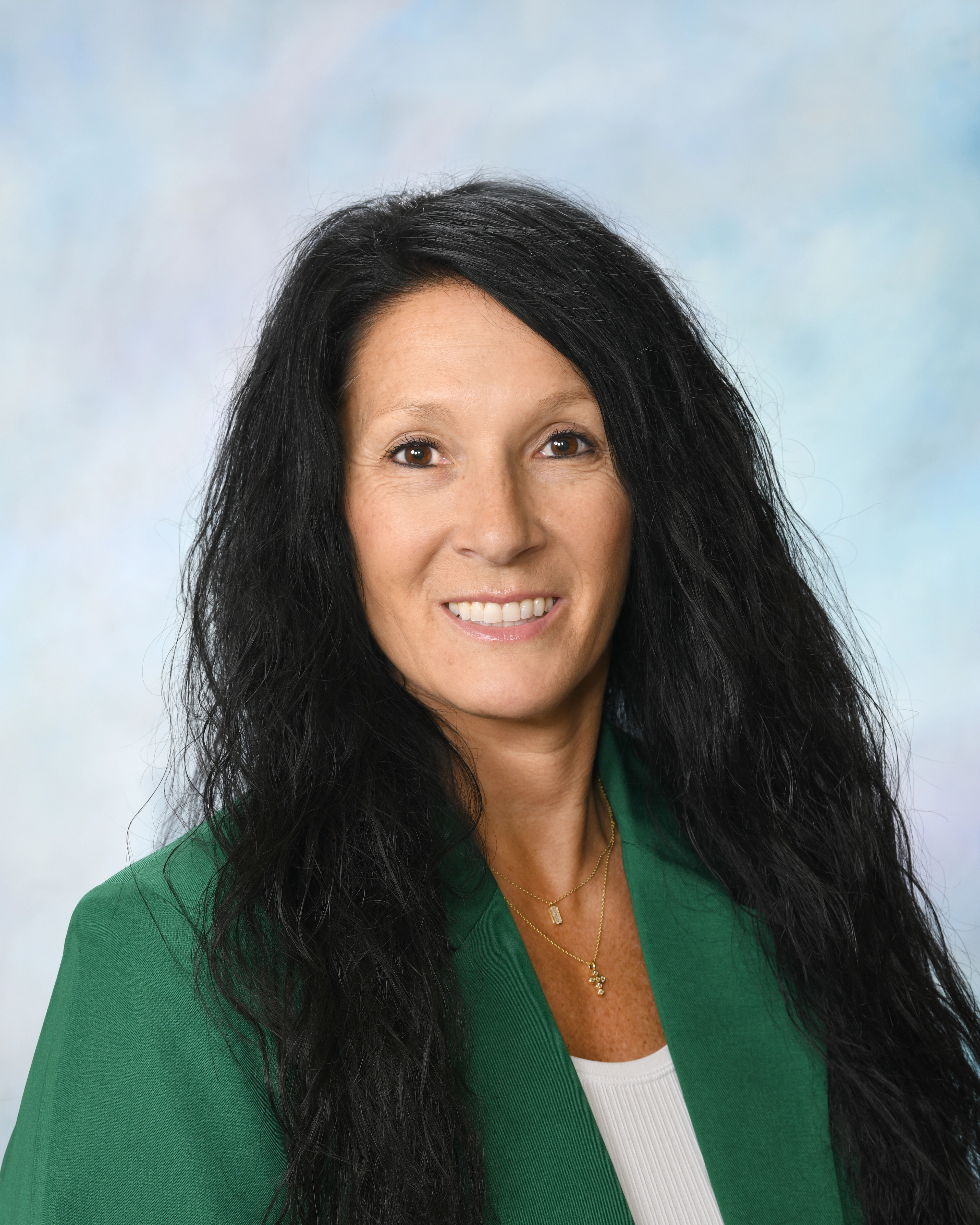
Heather Baxter
House · District 34
|
R |
Oppose
|
25% | 4 |
Showing 1 of 1
bills