Issue · Criminal Justice

Criminal Justice (Domestic Violence)

Every criminal justice bill, vote, and legislator stance in South Dakota, automatically classified by Maddy, our AI policy reader.

Total bills
6
2026 Regular Session
Top supporter
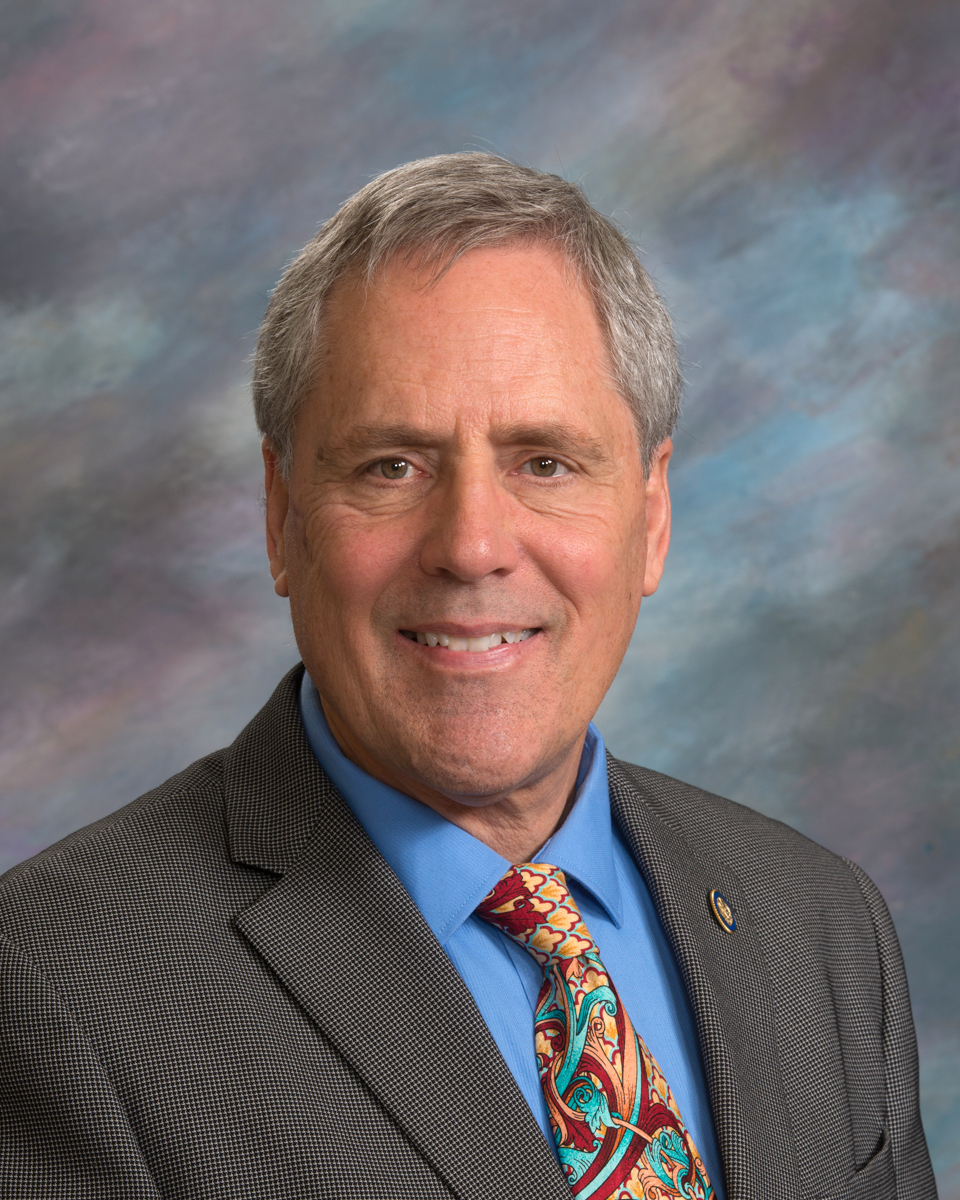
Al Novstrup
100% support rate
Top opponent
Aaron Aylward
0% support rate
Ranked legislators
10
5 support · 5 oppose
Key legislators

Who's moving domestic violence in South Dakota

Legislators moving domestic violence in South Dakota
Legislator Party Stance Support rate Votes
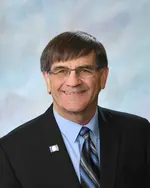
Al Novstrup
Al Novstrup House · District 3
R
Strong +
100% 5
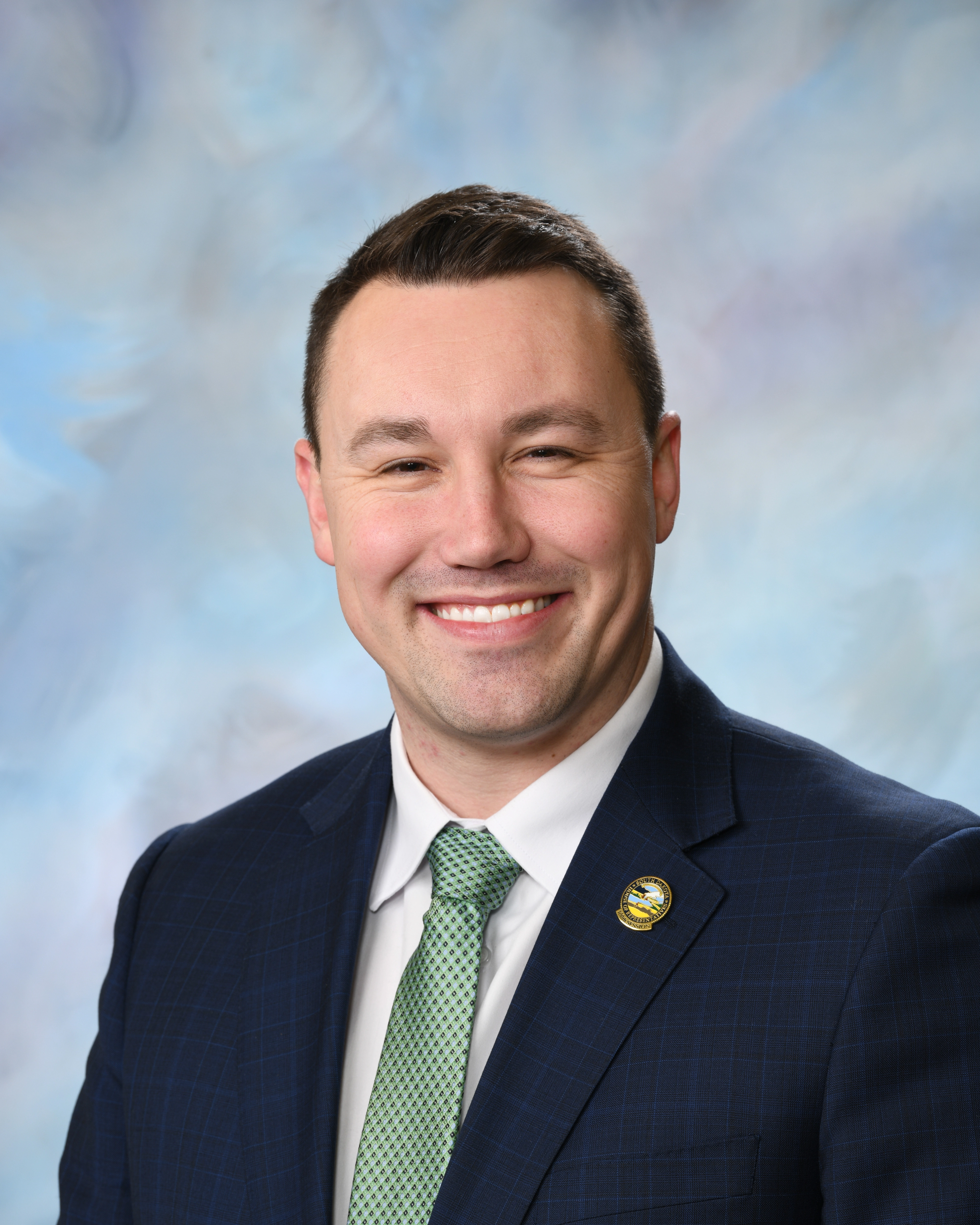
Chris Kassin
Chris Kassin House · District 17
R
Strong +
100% 5
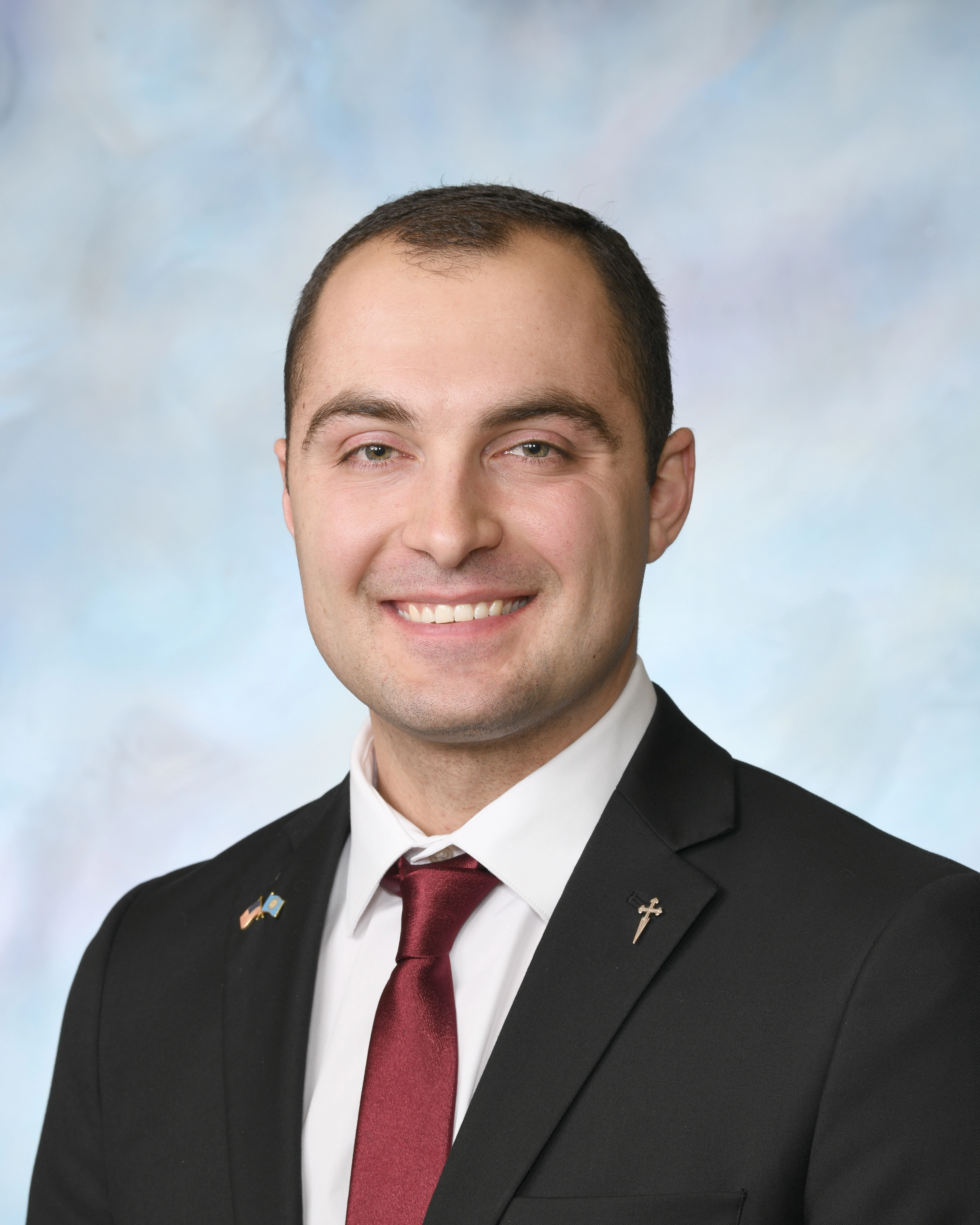
Erik Muckey
Erik Muckey House · District 15
D
Strong +
100% 5
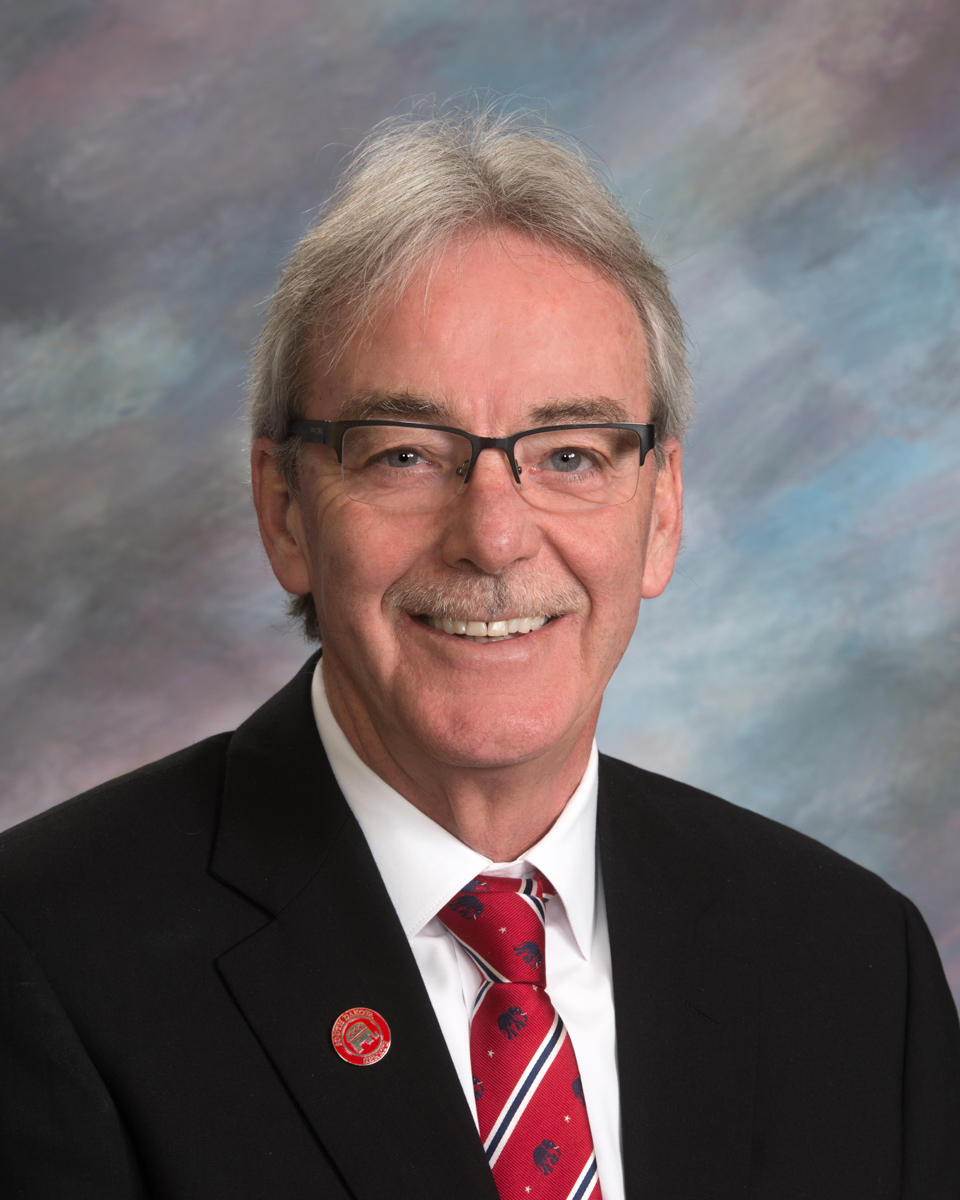
Jack Kolbeck
Jack Kolbeck House · District 13
R
Strong +
100% 5
Mike Derby
Mike Derby House · District 34
R
Strong +
100% 5
Aaron Aylward
Aaron Aylward House · District 6
R
Strong −
0% 4
Logan Manhart
Logan Manhart House · District 1
R
Strong −
0% 4
Phil Jensen
Phil Jensen House · District 33
R
Strong −
0% 4
Dylan Jordan
Dylan Jordan House · District 4
R
Oppose
25% 4
Heather Baxter
Heather Baxter House · District 34
R
Oppose
25% 4
Showing 6 of 6 bills

All criminal justice bills

signed · South Dakota · House Mar 30, 2026

HB 1300: except victims of human trafficking or domestic abuse from certain clemency notice requirements.

This bill exempts victims of human trafficking or domestic abuse from specific clemency notice requirements when applying for clemency. It directly affects individuals in these victim categories who are seeking clemency by removing a requirement to receive certain notices. To qualify, applicants must submit their own affidavit confirming victim status (citing specific statutes) plus affidavits from two professionals (e.g., law enforcement, mental health providers, or victim advocates) who verify the claim. The professionals must represent different agencies to ensure independent verification.
died · South Dakota · House Feb 6, 2026

HB 1296: permit a court to require that a defendant participate in global position monitoring as a condition of release for certain offenses.

HB 1296 requires courts to mandate GPS monitoring for defendants charged with domestic abuse offenses (as defined under South Dakota law) as a condition of release. The bill specifies that defendants must wear a 24/7 GPS device that tracks location in real-time and alerts law enforcement if they enter restricted zones, with defendants covering all device costs. Victims of domestic abuse can choose to receive free notification tools (via app or device) that alert them if the defendant approaches restricted areas or their location, but only after consenting and receiving clear information about the system. The law also mandates courts to consult victims about restricted zones and provide detailed explanations of the monitoring process, including risks, victim support services, and emergency contacts.
signed · South Dakota · House Mar 30, 2026

HB 1108: require the sealing of court files upon dismissal or denial of a petition for a protection order.

HB 1108 allows courts to immediately seal court files when protection order petitions are dismissed, either initially or after a hearing. This applies directly to individuals whose protection order cases (covered under South Dakota statutes §22-19A-8 and §25-10-3) are dismissed by a judge. The key provision requires courts to grant sealing of the entire court file upon dismissal, rather than requiring additional steps or waiting periods. This change provides a streamlined process for removing sensitive court records from public view in dismissed cases. The bill affects anyone involved in a dismissed protection order case, focusing on expediting privacy protections.
signed · South Dakota · House Mar 30, 2026

HB 1200: make an appropriation for victim services provided by nonprofit organizations.

HB 1200 appropriates $8 million from South Dakota's general fund to the Department of Public Safety for grants to nonprofit organizations providing specific victim services. It directly supports nonprofits focused on helping children abused or neglected, domestic violence victims, sexual assault victims, or victims of commercial sexual exploitation/trafficking. The bill allows grant funds to cover 24/7 emergency services, counseling, crisis lines, case management, sexual assault nurse examiner training, and child advocacy center services - excluding new programs or legal aid. Nonprofits must apply annually between July 1 and August 31, report on services delivered, and prioritize organizations seeking additional funding. The appropriation becomes effective June 30, 2026.
passed · South Dakota · House Feb 9, 2026

HB 1109: allow for the expungement of records pertinent to dismissed protection order cases.

This bill allows courts to expunge all records related to dismissed protection order cases, directly affecting individuals whose petitions were rejected (either initially or after a hearing). If a court dismisses a petition under South Dakota law (specifically § 22-19A-8 for domestic violence orders or § 25-10-3 for civil orders), it may order the removal of all case records from court files and the Department of Social Services. The expungement process follows existing definitions in § 23A-3-26, ensuring records are permanently cleared without requiring additional court action beyond the dismissal.
passed · South Dakota · House Jan 26, 2026

HB 1083: revise certain provisions related to stalking, establish the crime of felony stalking of a public official, and provide a penalty therefor.

South Dakota's HB 1083 creates a new felony charge for stalking public officials, separate from general stalking offenses. It defines "public official" to include elected state/federal leaders, legislators, judges, and law enforcement officers. The bill specifies that intentionally stalking these officials with the intent to cause fear of death or serious harm constitutes a Class 6 felony, carrying the same penalty as existing felony stalking of children. This amendment modifies existing stalking laws (§ 22-19A-1) by adding a specific provision for public officials, without changing penalties for general stalking or stalking children. The law directly affects public officials and those who target them through repeated following, threats, or harassment.