Issue · Criminal Justice

Criminal Justice

Every criminal justice bill, vote, and legislator stance in South Dakota, automatically classified by Maddy, our AI policy reader.

Total bills
12
2026 Regular Session
Top supporter
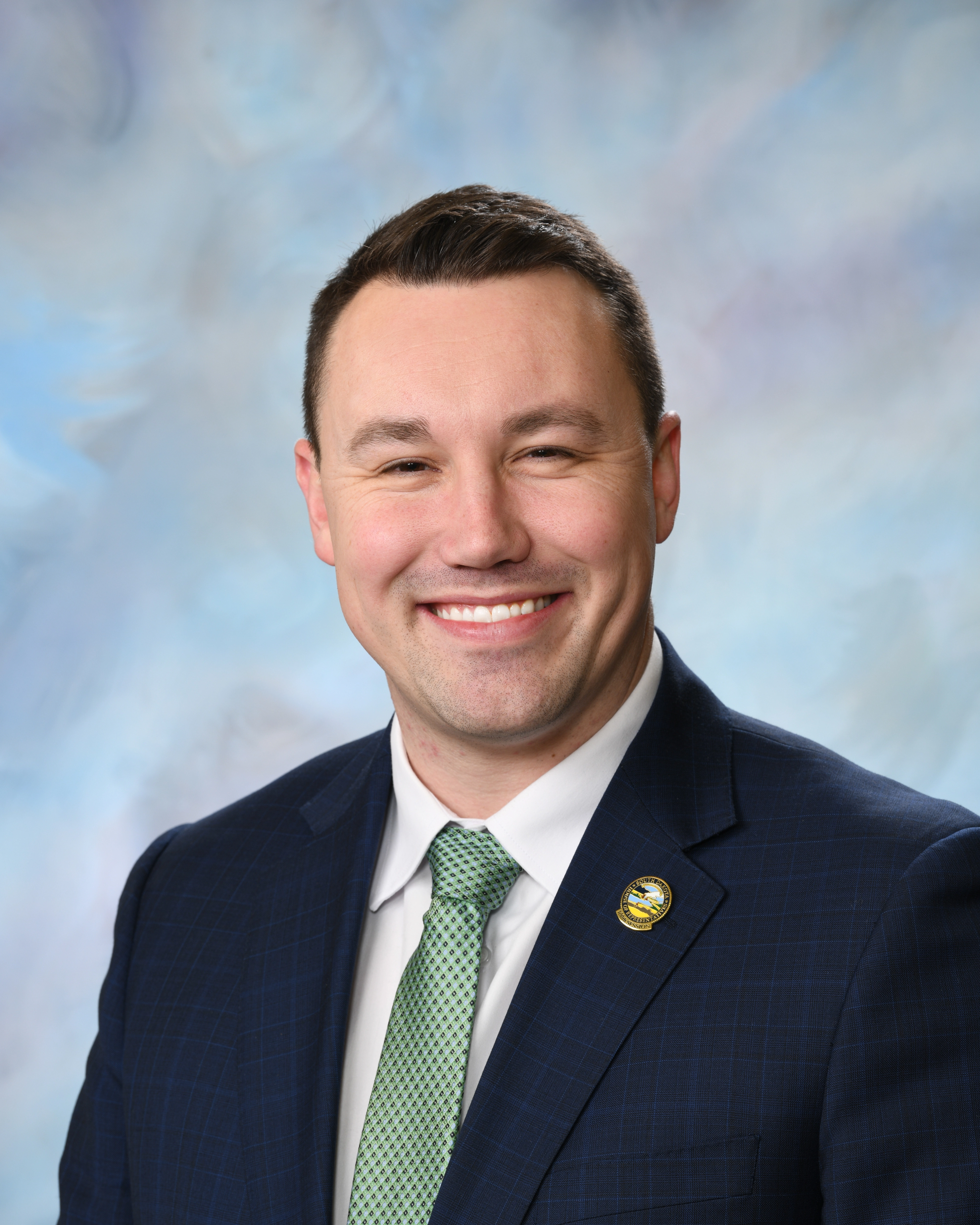
Erik Muckey
95% support rate
Top opponent
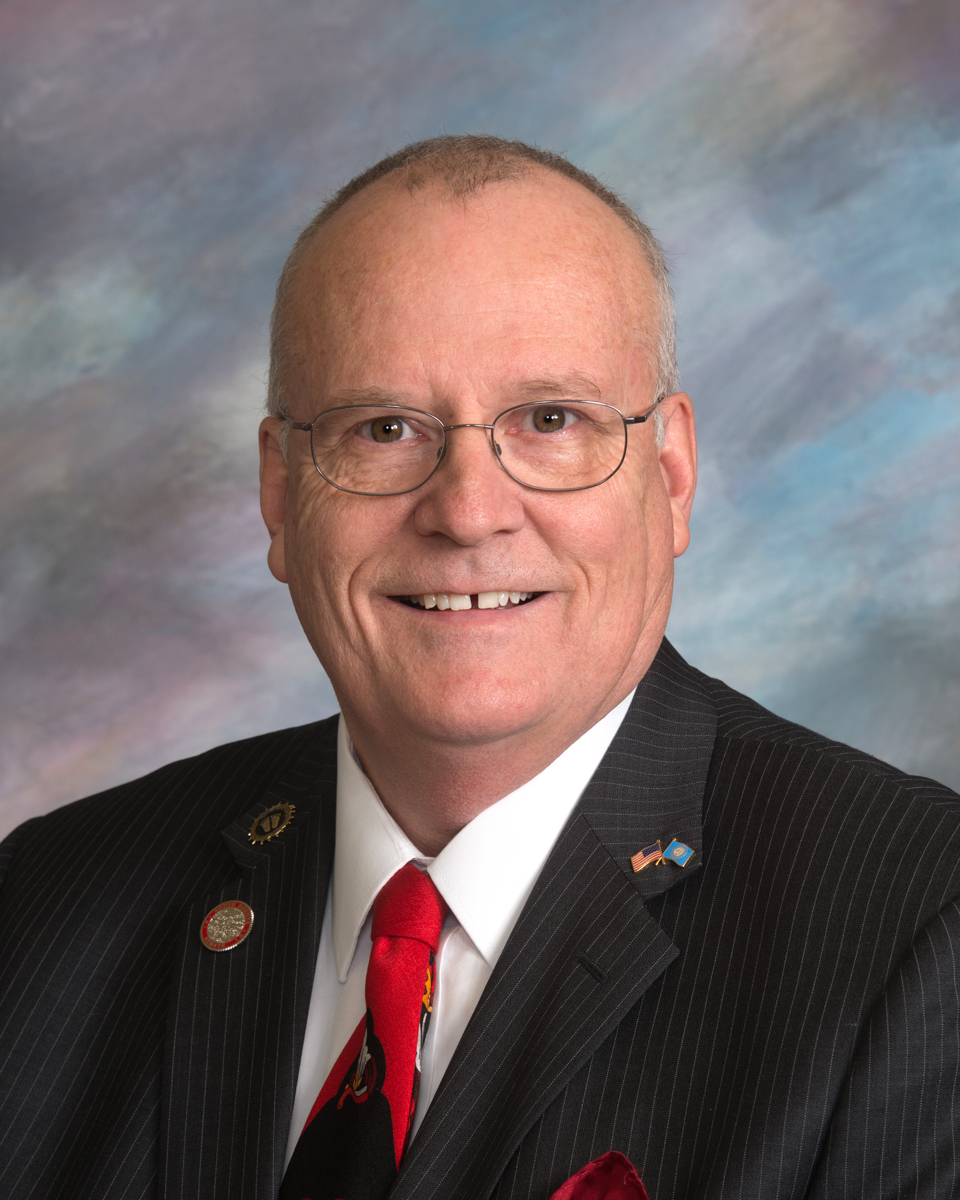
John Carley
21% support rate
Ranked legislators
10
5 support · 5 oppose
Key legislators

Who's moving criminal justice in South Dakota

Legislators moving criminal justice in South Dakota
Legislator Party Stance Support rate Votes
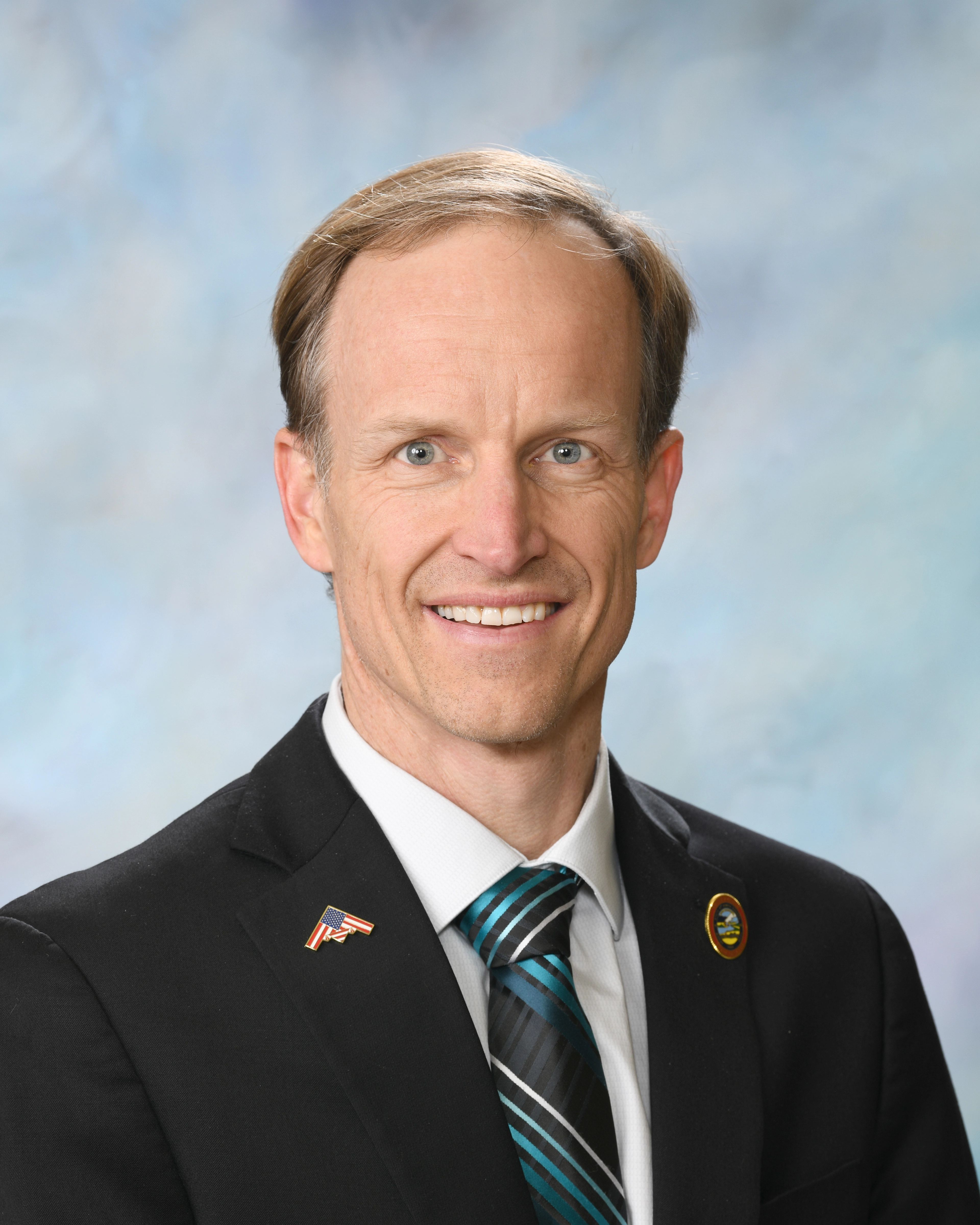
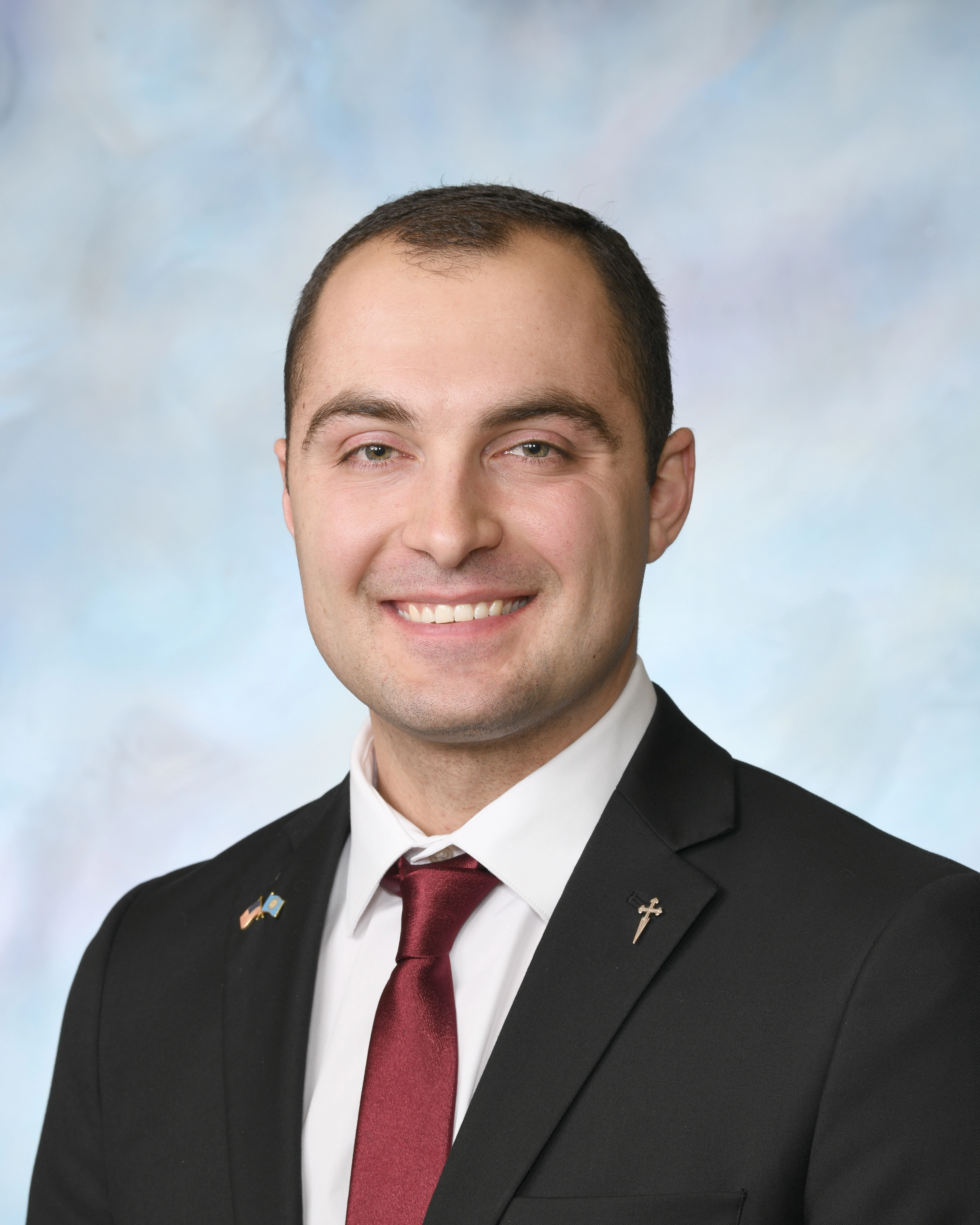
Erik Muckey
Erik Muckey House · District 15
D
Strong +
95% 50
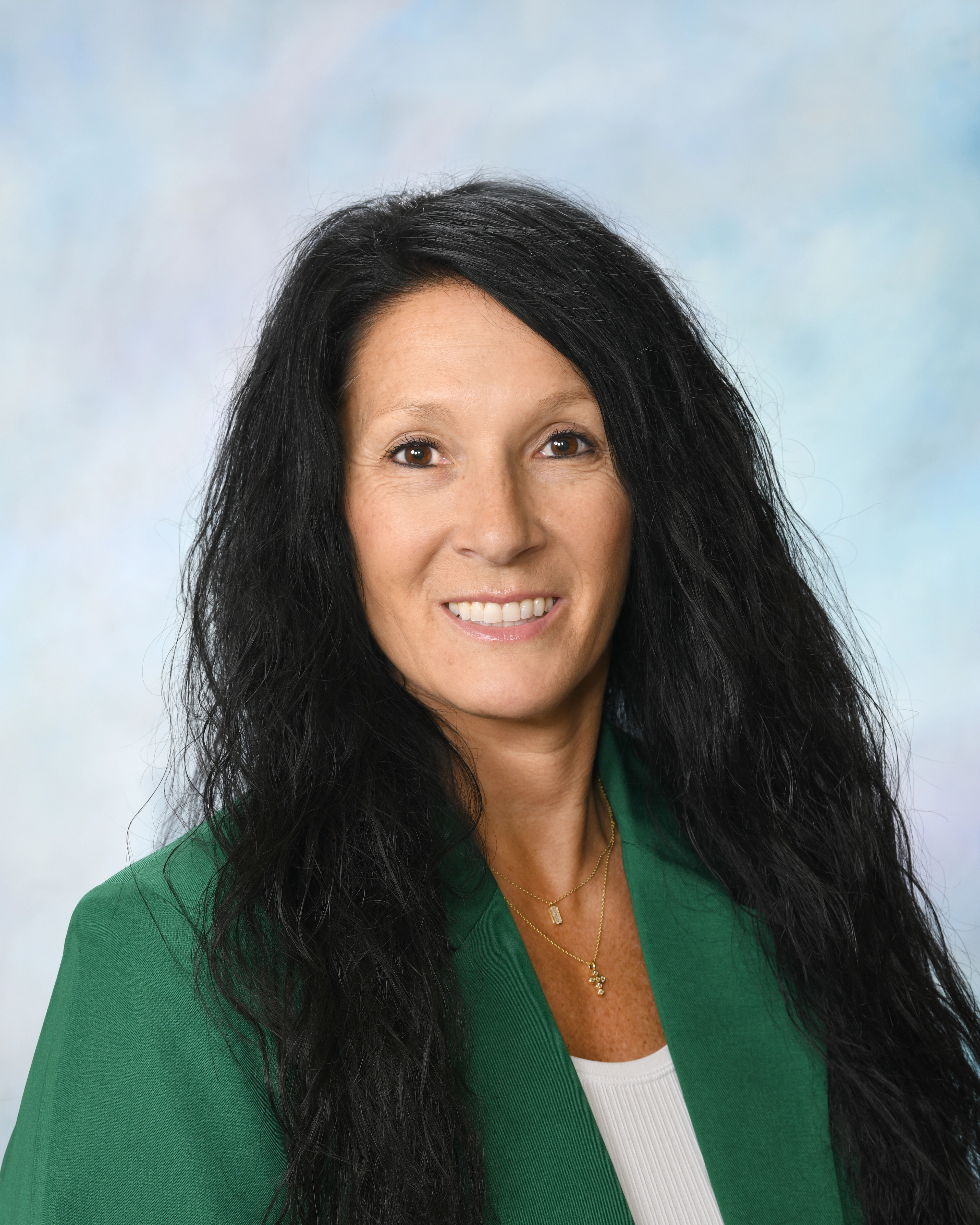
Nicole Uhre-Balk
Nicole Uhre-Balk House · District 32
D
Strong +
88% 51
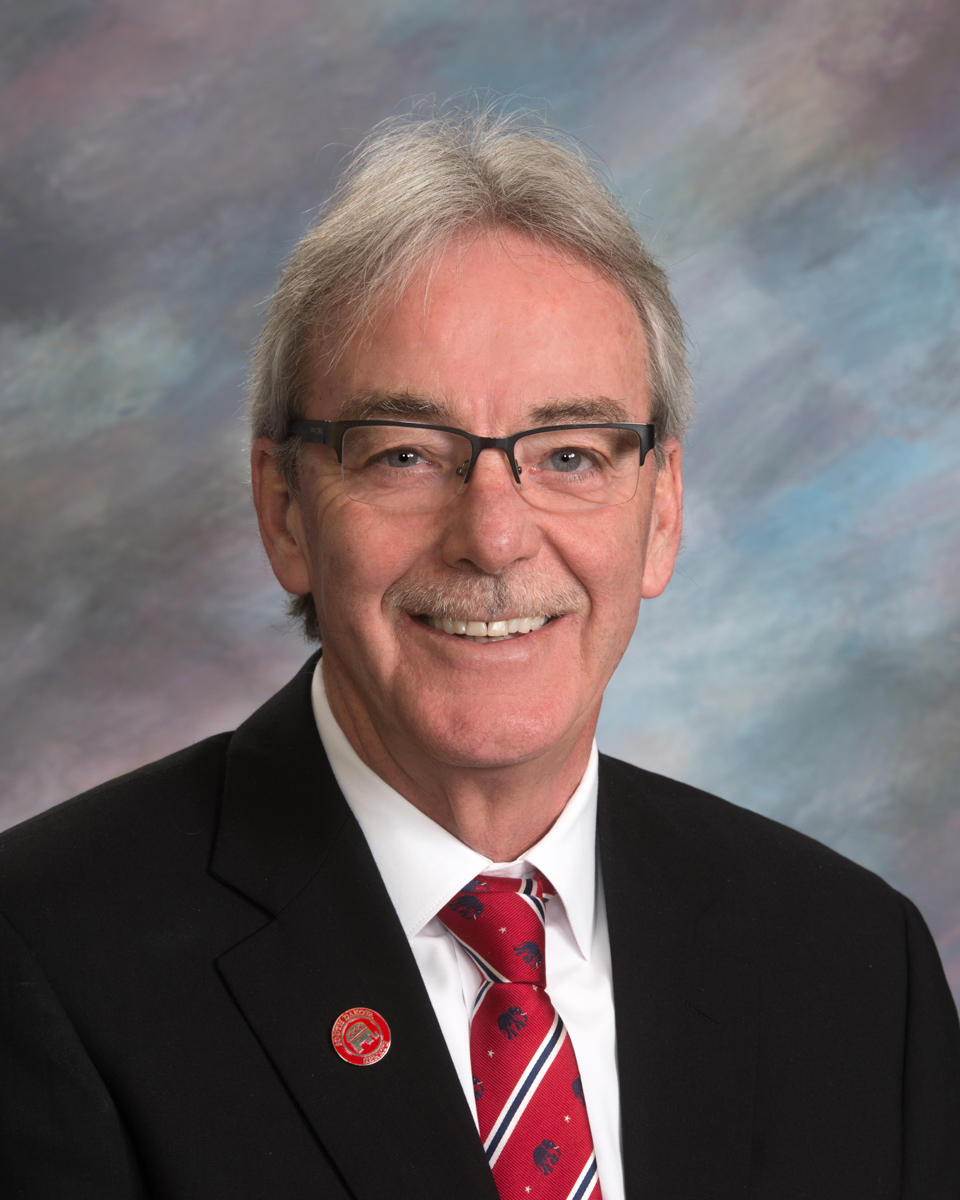
Ernie Otten
Ernie Otten Senate · District 6
R
Strong +
86% 34
Jack Kolbeck
Jack Kolbeck House · District 13
R
Strong +
85% 51
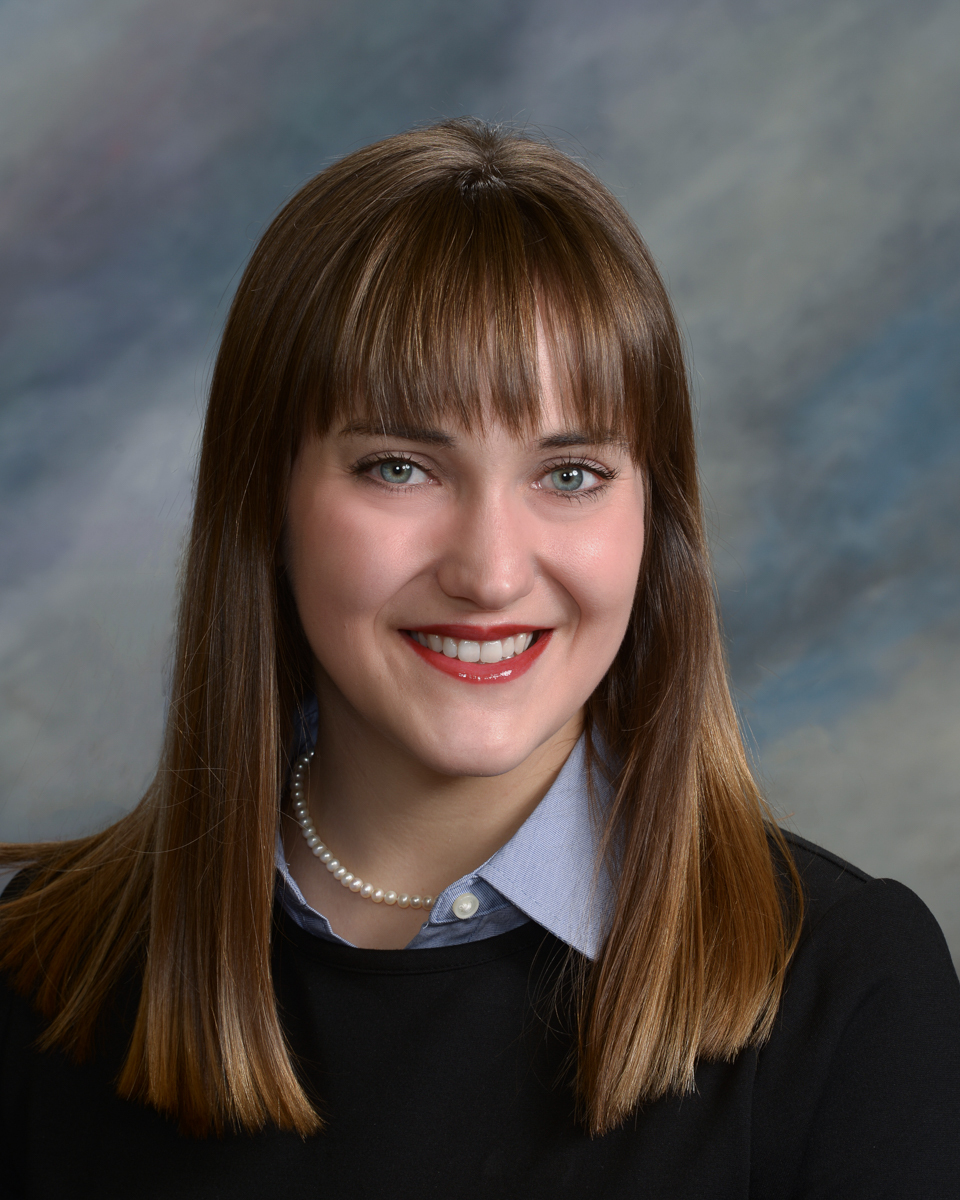
Erin Healy
Erin Healy House · District 10
D
Strong +
82% 57
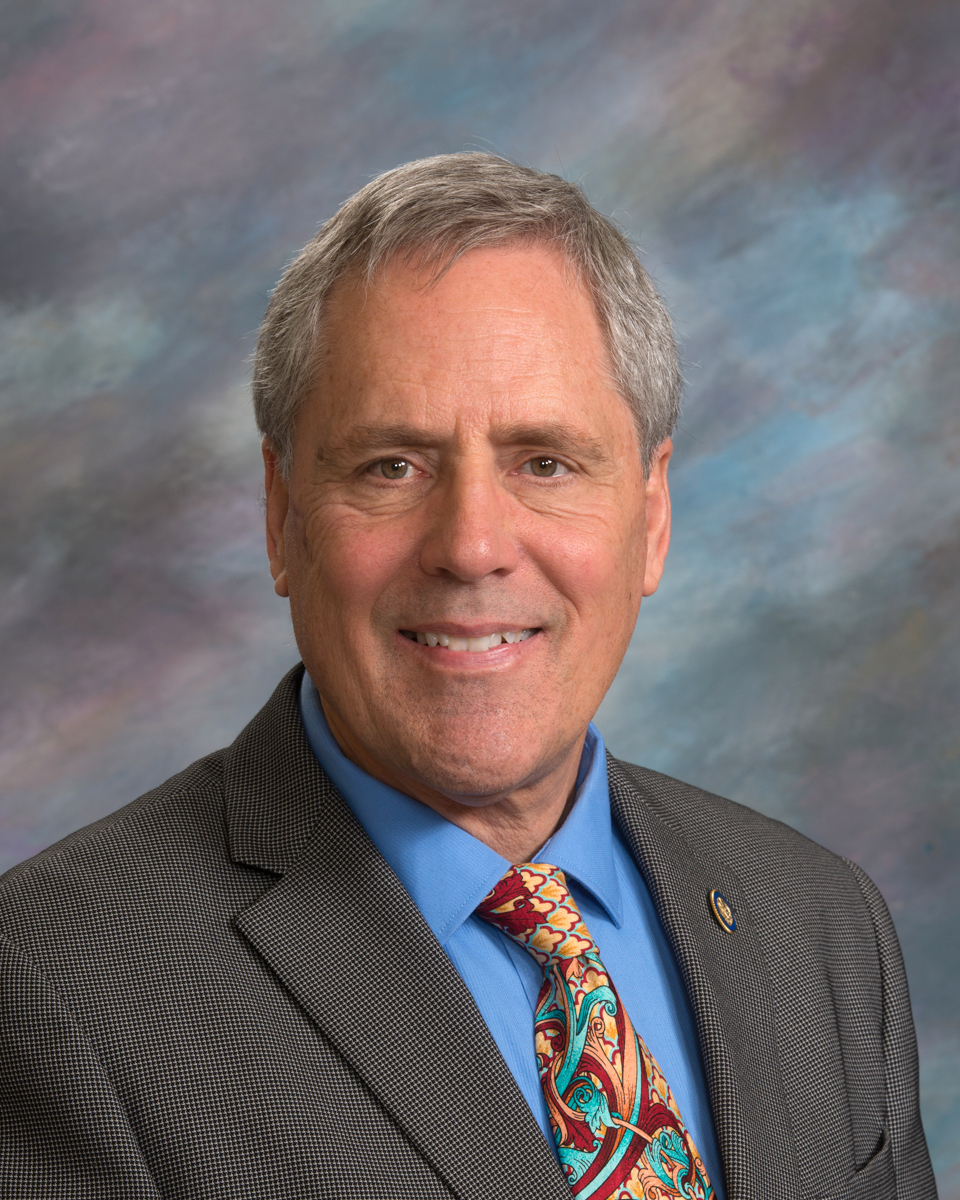
John Carley
John Carley Senate · District 29
R
Oppose
21% 34
Taffy Howard
Taffy Howard Senate · District 34
R
Oppose
23% 34
Phil Jensen
Phil Jensen House · District 33
R
Oppose
24% 52
Logan Manhart
Logan Manhart House · District 1
R
Oppose
24% 59
Heather Baxter
Heather Baxter House · District 34
R
Oppose
24% 59
Showing 1–10 of 12 bills

All criminal justice bills

died · South Dakota · Senate Feb 5, 2026

SB 238: authorize the removal of occupants from certain short-term lodging accommodations, and to provide a penalty therefor.

SB 238 allows hotels, campgrounds, and RV parks in South Dakota to request that guests leave if they fail to check out or pay by the scheduled time. Before removing a guest, the lodging must provide a written or electronic notice, giving them 24 hours to depart. If a guest refuses to leave after this notice, they face a Class 1 misdemeanor charge. Guests wrongly removed can sue for damages and legal fees. The law directly affects short-term lodging businesses and their guests who miss check-out deadlines.
signed · South Dakota · House Mar 9, 2026

HB 1162: add certain substances to Schedule I of the controlled substances schedule.

HB 1162 adds 59 specific substances - including synthetic opioids like "W-18" and "butonitazene," as well as compounds such as "methiopropamine" - to South Dakota's Schedule I controlled substances list. This means these substances are now classified as having no medical use and a high potential for abuse under state law. The bill directly affects anyone in South Dakota who possesses, distributes, or uses these listed substances, making such actions illegal without specific exemptions. The key mechanism is the explicit inclusion of these chemical compounds (including isomers and salts) into Schedule I, closing potential legal gaps for enforcement.
Sub-Topics Drug Policy
signed · South Dakota · Senate Mar 30, 2026

SB 45: revise a provision regulating delta-8 tetrahydrocannabinol, THC-O acetate, and hexahydrocannabinol for persons under the age of twenty-one and to provide a penalty therefor.

SB 45 prohibits the sale, distribution, or possession of specific cannabis products (including delta-8 THC, THC-O acetate, and hexahydrocannabinol) to individuals under 21 years old. It makes it a Class 6 felony to sell or distribute these products to minors, and a Class 2 misdemeanor for minors to possess or consume them, or for adults (other than parents/guardians) to provide them to minors. The law directly affects retailers, minors under 21, and adults who might supply these products to underage individuals. Penalties are clearly defined based on the specific violation.
Sub-Topics Drug Policy
passed · South Dakota · House Feb 5, 2026

HB 1212: revise provisions in order to strengthen protections for unborn children.

HB 1212 repeals a provision that previously shielded women from criminal liability for unlawful abortions. It removes the exception that prevented homicide charges when an abortion caused an unborn child's death, making such cases subject to standard homicide laws (Class B felony). The bill directly affects women seeking abortions and medical providers performing them, as it eliminates prior legal protections for abortion-related deaths. Exceptions for lifesaving procedures to preserve the mother's life or spontaneous miscarriages remain unchanged.
signed · South Dakota · House Mar 9, 2026

HB 1126: revise a provision related to driving under the influence.

HB 1126 revises South Dakota's penalties for repeat driving under the influence (DUI) offenses. It targets individuals with five or more prior DUI convictions within 15 years (down from 25 years), requiring a mandatory minimum six-year prison sentence for a sixth or subsequent offense, with at least one year on parole. The bill mandates specific monitoring tools like ignition interlocks or alcohol bracelets during supervision and extends driver's license revocation periods, with limited exceptions for employment or medical needs after completing treatment. These changes apply directly to repeat DUI offenders meeting the revised conviction thresholds.
in committee · South Dakota · House Feb 4, 2026

HB 1124: establish the crime of trespass upon a place of worship, provide a penalty therefor, and declare an emergency.

HB 1124 makes it a felony to enter or remain within 1,000 feet of a place of worship with intent to disrupt services, harass attendees, or intimidate through political means. Violators face a Class 5 felony charge. The bill defines "place of worship" as any building regularly used for religious activities, identifiable by design, signs, or features. This law directly affects individuals who intentionally trespass near religious sites with the prohibited intentions.
signed · South Dakota · Senate Mar 10, 2026

SB 113: increase the penalty for preventing practice of religion.

This bill amends South Dakota law (§ 22-19B-4) to upgrade penalties for preventing someone from practicing their religion through threats or violence. Currently a Class 1 misdemeanor, the offense would become a Class 6 felony under this bill. It directly affects individuals who use intimidation or force to stop others from engaging in legally protected religious activities. The key change is reclassifying the penalty level in the statute, increasing the legal consequences for such conduct.
passed · South Dakota · House Jan 26, 2026

HB 1083: revise certain provisions related to stalking, establish the crime of felony stalking of a public official, and provide a penalty therefor.

South Dakota's HB 1083 creates a new felony charge for stalking public officials, separate from general stalking offenses. It defines "public official" to include elected state/federal leaders, legislators, judges, and law enforcement officers. The bill specifies that intentionally stalking these officials with the intent to cause fear of death or serious harm constitutes a Class 6 felony, carrying the same penalty as existing felony stalking of children. This amendment modifies existing stalking laws (§ 22-19A-1) by adding a specific provision for public officials, without changing penalties for general stalking or stalking children. The law directly affects public officials and those who target them through repeated following, threats, or harassment.
died · South Dakota · Senate Feb 26, 2026

SB 156: modify the crime of cruelty to an animal and increase the penalty therefor.

SB 156 modifies South Dakota's animal cruelty law by adding a new classification for the most severe cases. It makes it a Class 4 felony to commit cruelty "in an especially depraved, heinous, sadistic, or wicked manner," elevating penalties for extreme acts. This directly affects individuals convicted of particularly brutal animal cruelty, moving such cases from lower-level offenses to felony charges. The bill specifically amends Section 40-1-2.4 of South Dakota law to establish this higher penalty tier.
failed · South Dakota · House Feb 17, 2026

HB 1151: ban kratom and kratom products and to provide a penalty therefor.

HB 1151 bans kratom and kratom products in South Dakota, making it a Class 2 misdemeanor to sell, distribute, purchase, consume, or possess them. It specifically prohibits sales or use by anyone under 21 (except by parents/guardians), and requires strict labeling for products that remain legal, including serving sizes, alkaloid content, and health warnings. The bill also prohibits products containing over 2% 7-hydroxymitragynine, synthetic compounds, or harmful additives. This directly affects consumers, businesses selling kratom, and retailers who must comply with new labeling rules.
Sub-Topics Drug Policy
Showing 1 to 10 of 12 bills
1 2 Next