Issue · Criminal Justice

Criminal Justice

Every criminal justice bill, vote, and legislator stance in South Dakota, automatically classified by Maddy, our AI policy reader.

Total bills
38
2026 Regular Session
Top supporter
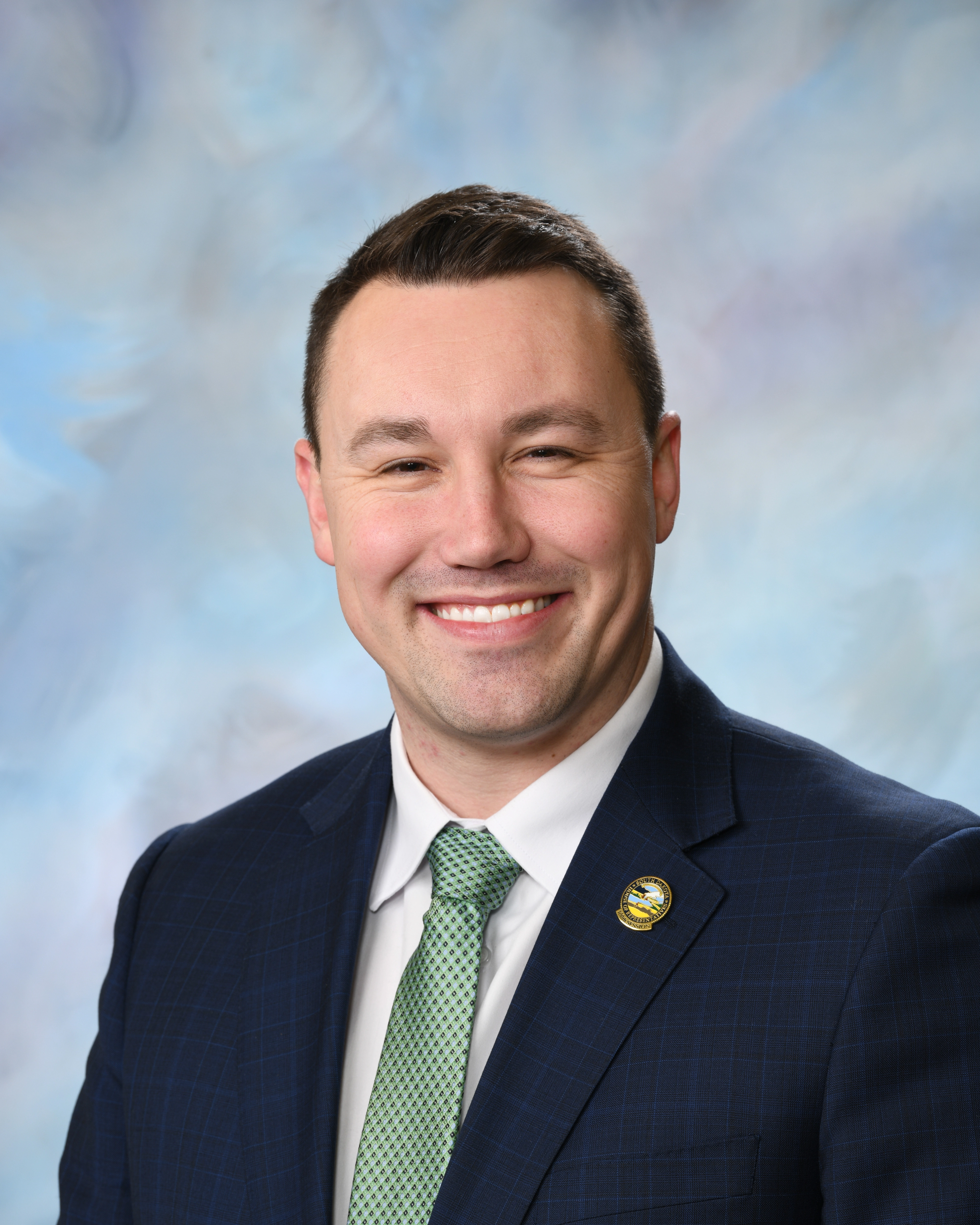
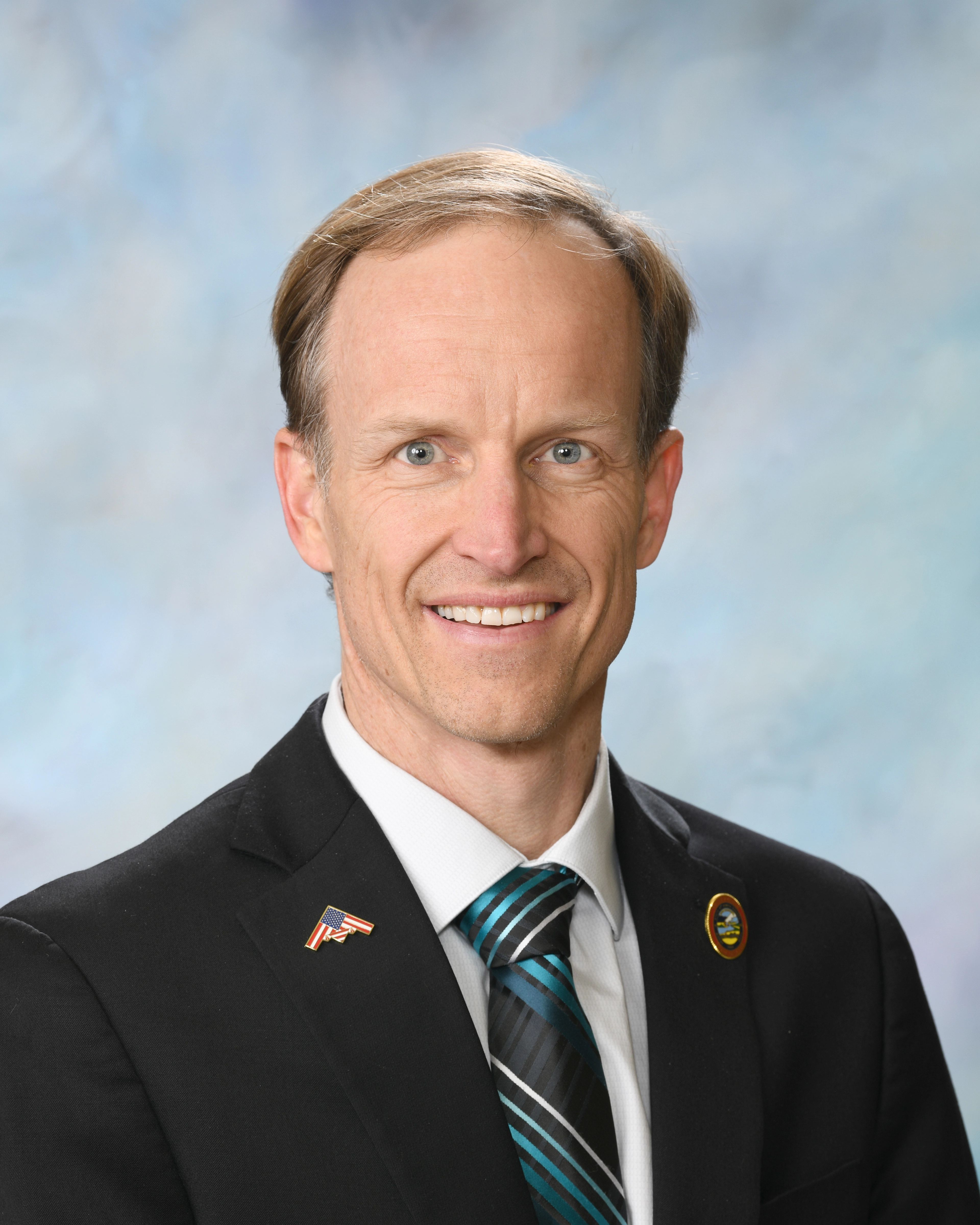
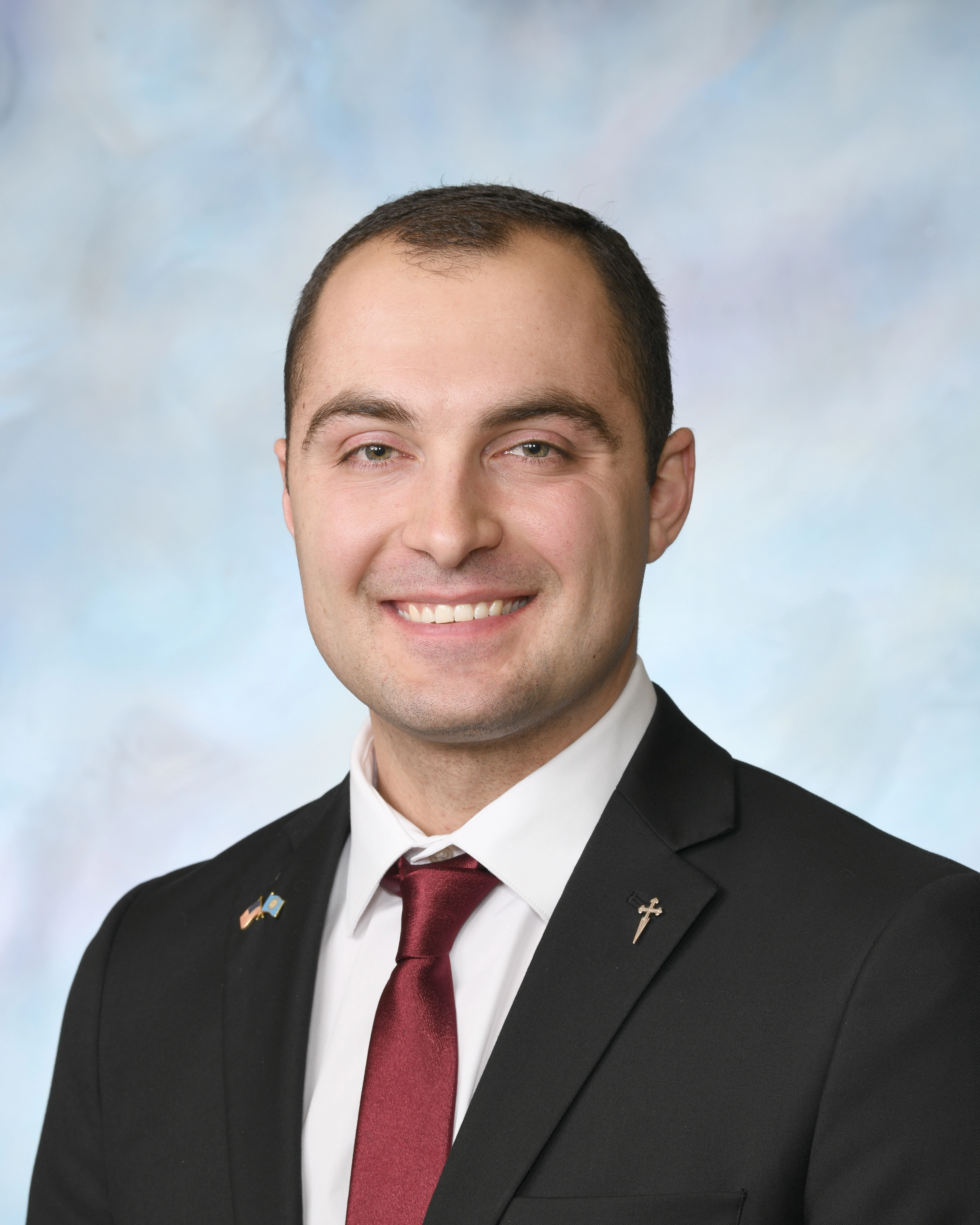
Erik Muckey
95% support rate
Top opponent
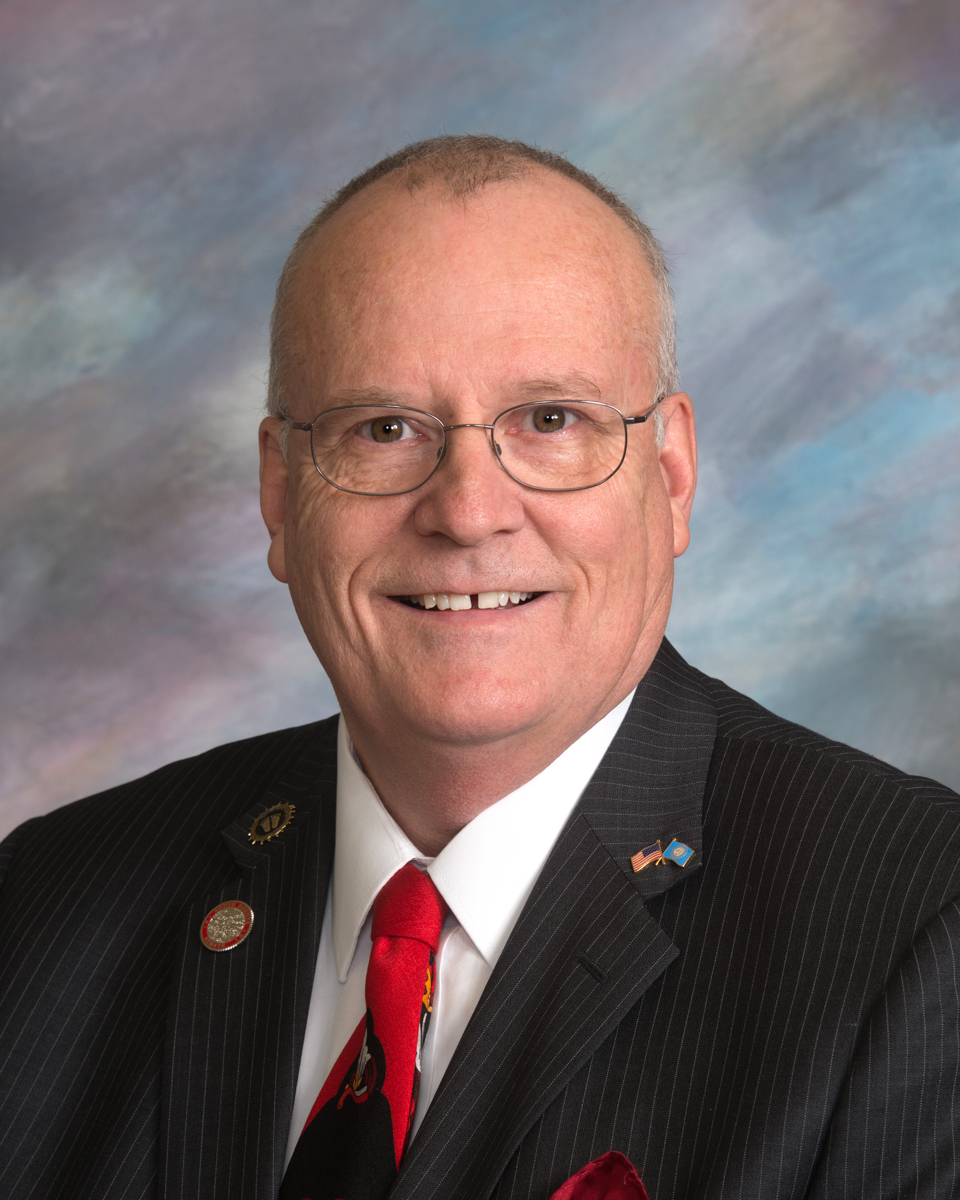
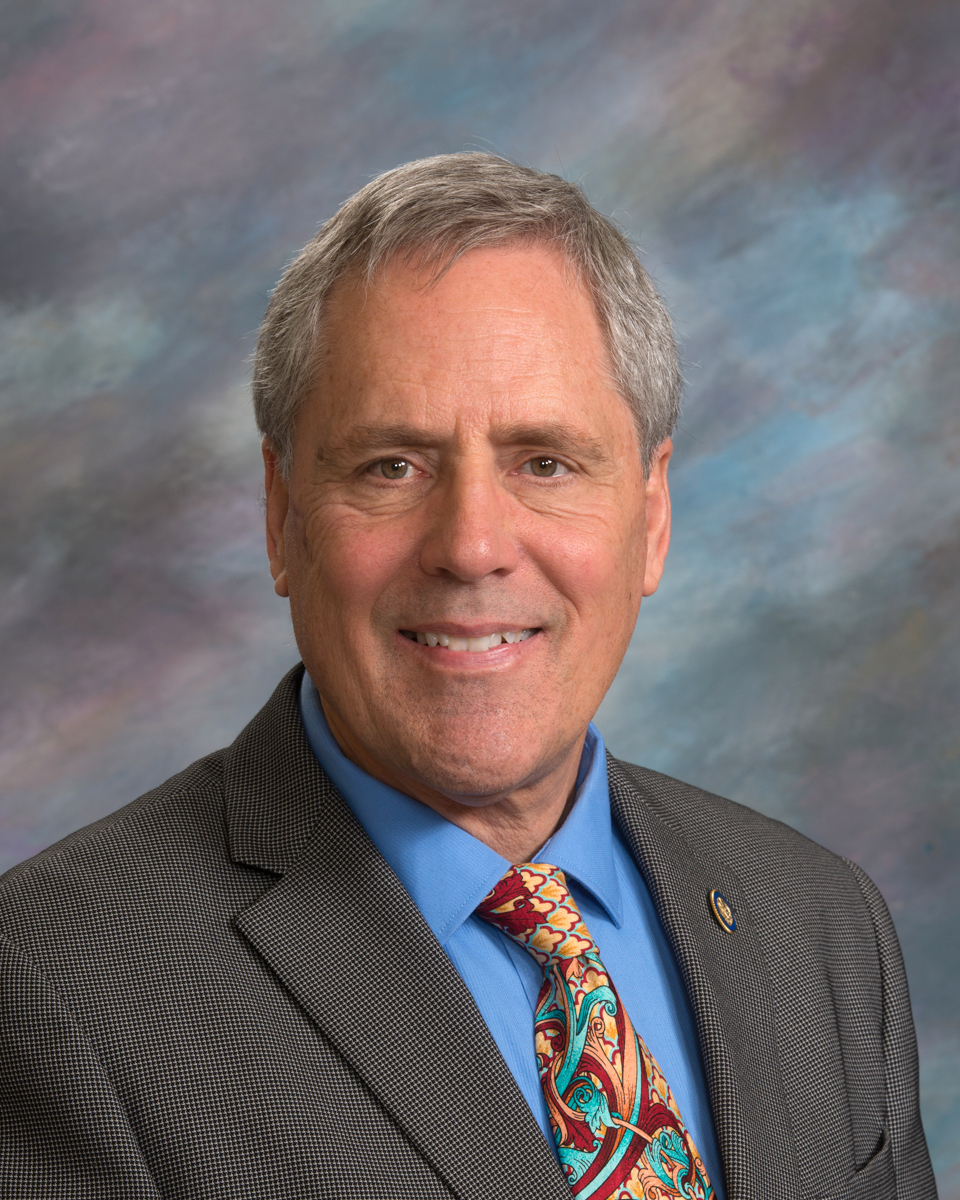
John Carley
21% support rate
Ranked legislators
10
5 support · 5 oppose
Key legislators

Who's moving criminal justice in South Dakota

Legislators moving criminal justice in South Dakota
Legislator Party Stance Support rate Votes
Erik Muckey
Erik Muckey House · District 15
D
Strong +
95% 50
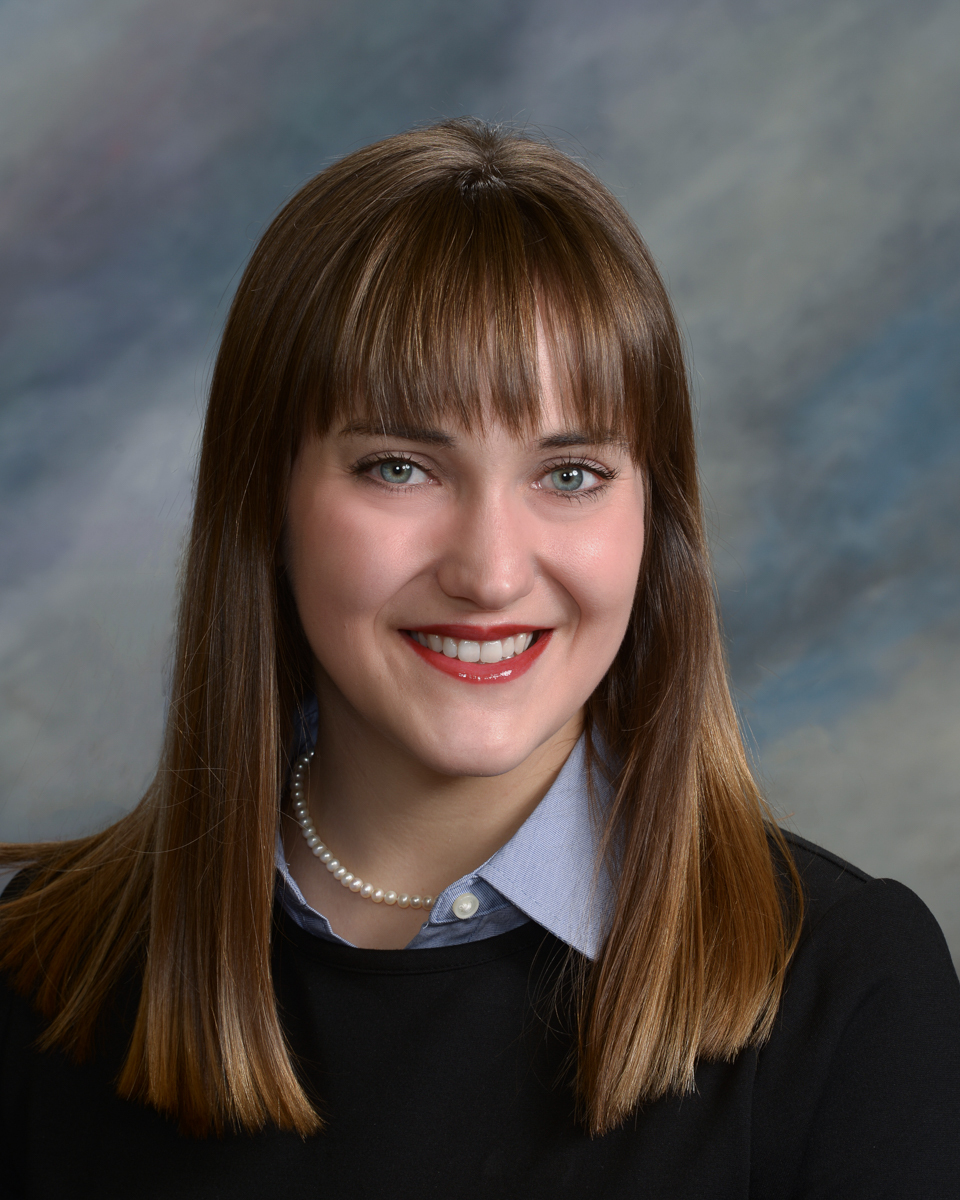
Nicole Uhre-Balk
Nicole Uhre-Balk House · District 32
D
Strong +
88% 51
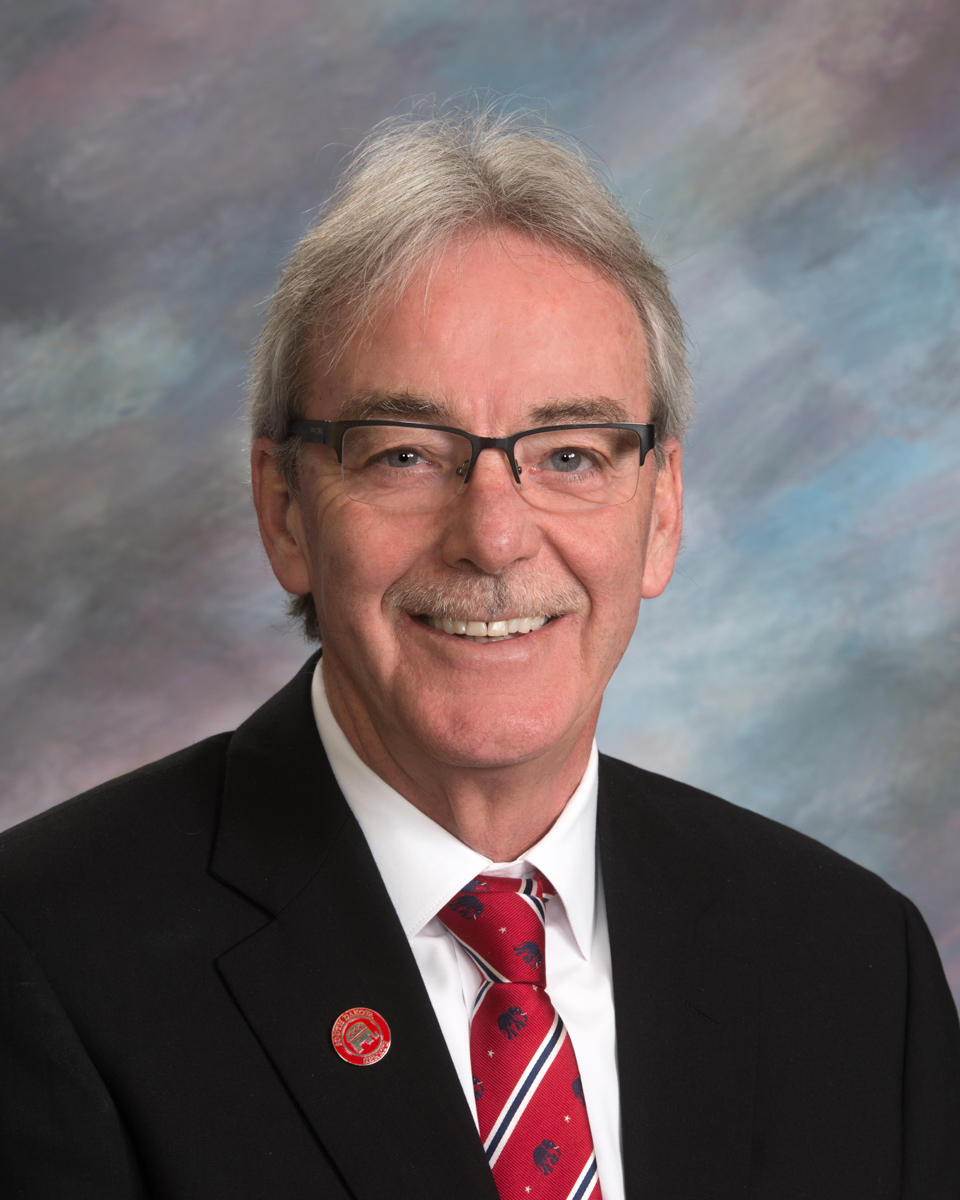
Ernie Otten
Ernie Otten Senate · District 6
R
Strong +
86% 34
Jack Kolbeck
Jack Kolbeck House · District 13
R
Strong +
85% 51
Erin Healy
Erin Healy House · District 10
D
Strong +
82% 57
John Carley
John Carley Senate · District 29
R
Oppose
21% 34
Taffy Howard
Taffy Howard Senate · District 34
R
Oppose
23% 34
Phil Jensen
Phil Jensen House · District 33
R
Oppose
24% 52
Logan Manhart
Logan Manhart House · District 1
R
Oppose
24% 59
Heather Baxter
Heather Baxter House · District 34
R
Oppose
24% 59
Showing 11–20 of 38 bills

All criminal justice bills

passed · South Dakota · House Feb 9, 2026

HB 1214: require that courts consider as a mitigating factor during sentencing an individual's history as a victim of abuse and provide for a reduced sentence in certain circumstances.

HB 1214 requires South Dakota courts to consider a defendant's history of abuse as a mitigating factor during sentencing for certain crimes. To qualify, defendants must provide documented evidence (such as court records, hospital reports, or protective orders) proving the abuse was a substantial factor in their offense. If approved, sentences are reduced: life without parole becomes a maximum of 35 years, life with parole becomes a maximum of 30 years, and fixed terms are reduced by at least one-third. The law excludes Class A felonies, sex offenses, and related attempts, and allows retroactive resentencing for cases before July 1, 2026.
passed · South Dakota · House Feb 11, 2026

HB 1167: revise a provision related to loitering within a community safety zone.

HB 1167 amends South Dakota law to clarify exemptions for certain sex offenders regarding loitering in community safety zones. It specifically adds that the prohibition does not apply if the offender was under 18 at the time of the offense and was not tried or convicted as an adult, or if a court has granted an exemption under § 22-24B-28. The bill directly affects registered sex offenders who meet these specific juvenile offense criteria. The amendment does not change the felony penalties (Class 6 for first offense, Class 5 for repeat offenses) or the core prohibition against loitering in safety zones or public libraries. This is a technical revision to the existing statute (§ 22-24B-24) with no new policy changes.
passed both · South Dakota · House Mar 9, 2026

HB 1176: clarify bond or pre-trial release upon sobriety program participation.

HB 1176 clarifies that South Dakota courts may require defendants to participate in a 24/7 sobriety program as a condition of bond or pre-trial release. It prevents defendants from being jailed or having their release revoked solely due to inability to pay program costs, unless a court finds they could pay but willfully avoided doing so. Defendants must prove they didn’t willfully skip payments or made a genuine effort to pay. Unpaid program costs may later be added to a defendant’s sentence if the court determines they have the ability to pay. The bill directly affects individuals in criminal cases offered this program.
Sub-Topics Courts
passed · South Dakota · House Feb 11, 2026

HB 1192: allow the parole of certain inmates sentenced to life imprisonment without parole.

HB 1192 allows parole consideration for inmates sentenced to life imprisonment without parole who were aged 18-26 at the time of their offense (excluding first-degree rape). It requires the parole board to review cases after 25 years of incarceration, with mandatory initial hearings within six months of eligibility. The board must consider factors like the inmate's youth at the time of crime, rehabilitation efforts, completion of educational programs, victim input, and evidence of maturity. The law applies retroactively to all qualifying inmates sentenced before July 1, 2026. It modifies existing parole eligibility rules by creating a specific pathway for this age group.
signed · South Dakota · Senate Mar 30, 2026

SB 42: enhance the penalties for ingestion, possession with intent to deliver, and delivery of a controlled substance in a state correctional facility.

SB 42 increases penalties for possessing, delivering, or ingesting controlled substances within South Dakota state correctional facilities. It changes inmate possession of controlled substances from a Class 3 to a Class 4 felony, delivery to inmates from a Class 4 to a Class 3 felony, and ingestion by inmates from a Class 6 to a Class 5 felony. These changes directly affect inmates, staff, and visitors who bring or use controlled substances in prisons. The bill strengthens criminal penalties for drug-related activities in correctional settings without altering treatment programs.
signed · South Dakota · Senate Mar 9, 2026

SB 81: clarify the prohibition on injuring or harassing a service animal.

SB 81 clarifies South Dakota's law against harming service animals by specifying that it is illegal to maliciously beat, injure, harass, or interfere with a service animal that is controlled by a person with a disability and wearing a harness or control device. The bill directly affects individuals with disabilities who rely on service animals and anyone who might harass or harm such animals. It explicitly defines "service animal" as a dog trained to perform tasks directly related to a person's disability (per federal guidelines), excluding emotional support, comfort, or crime deterrent effects. The law makes it a Class 2 misdemeanor to violate these provisions.
signed · South Dakota · House Feb 17, 2026

HB 1076: revise restrictions on residence within a community safety zone and to declare an emergency.

HB 1076 revises restrictions on where sex offenders can live near community safety zones (areas near schools, parks, or shelters). It adds two new exceptions allowing offenders to reside there: if they established their home before July 1, 2024, or if the school/park was built after they moved in. The bill expands existing exceptions for offenders in prison, halfway houses, homeless shelters, or healthcare facilities. Violations remain felonies, with repeat offenses carrying harsher penalties. The bill also declares an emergency to take immediate effect.
Sub-Topics Corrections
signed · South Dakota · House Mar 12, 2026

HB 1238: protect financial institutions taking action to prevent the financial exploitation of consenting, senior, or vulnerable adults.

HB 1238 allows South Dakota financial institutions to delay or block specific transactions when they reasonably suspect financial exploitation of consenting adults aged 65+ (seniors) or adults aged 18+ with mental impairments or court-appointed guardians (vulnerable adults). The law permits banks to refuse transfers, withdrawals, ownership changes, beneficiary updates, or power-of-attorney instructions if exploitation is suspected. Financial institutions are protected from liability for acting under this law, though they are not required to intervene - decisions are based on available information. This directly affects banks and the vulnerable adults they serve by providing a legal framework to prevent financial abuse.
Sub-Topics Courts
signed · South Dakota · Senate Mar 30, 2026

SB 41: revise a provision related to criminal invasions of privacy, prohibit the creation and distribution of digitally fabricated material of an identifiable individual, and provide penalties therefor.

SB 41 revises South Dakota's criminal invasion of privacy law to prohibit creating, distributing, or selling digitally manipulated images or videos that falsely depict an identifiable person as nude or engaged in sexual acts. It specifically targets content that appears authentic to an ordinary person but was altered to misrepresent the individual. The law defines "digitally fabricated material" as manipulated images, videos, or depictions that falsely show an identifiable person in states of nudity or sexual activity. Violating this provision is a Class 5 felony, with penalties applying when the manipulated content is shared to harass or embarrass the person depicted.
Sub-Topics Data Privacy
passed both · South Dakota · House Feb 4, 2026

HCR 6001: urging the United States Department of Homeland Security to establish a tribal law enforcement training academy in South Dakota.

HCR 6001 is a non-binding resolution urging the U.S. Department of Homeland Security (DHS) to establish a tribal law enforcement training academy in South Dakota. It directly addresses DHS and aims to benefit law enforcement personnel serving South Dakota’s nine federally recognized tribal nations, including those working in culturally specific contexts. The resolution requests DHS collaborate with tribal leaders and state agencies to design training programs tailored to tribal communities’ unique needs. It does not create new laws or allocate funding but formally asks DHS to consider South Dakota as a location for such an academy. The resolution emphasizes South Dakota’s existing partnerships with tribal nations and the Bureau of Indian Affairs in law enforcement training.
Sub-Topics Law Enforcement Tags Tribal Nations
Showing 11 to 20 of 38 bills
Previous 1 2 3 4 Next