

Maddy summarySB 2052 proposes to repeal the Rhode Island minimum tax that corporations must pay regardless of their income level. Under the current law, every corporation is required to pay at least $450 annually, a fee that would be eliminated if this bill passes. The legislation also includes a provision to lower the minimum tax threshold from $450 to $400 for tax years beginning on or after January 1, 2017, though the primary action is the removal of the minimum tax requirement itself. This change directly affects all corporations operating in the state by removing the mandatory minimum payment obligation.
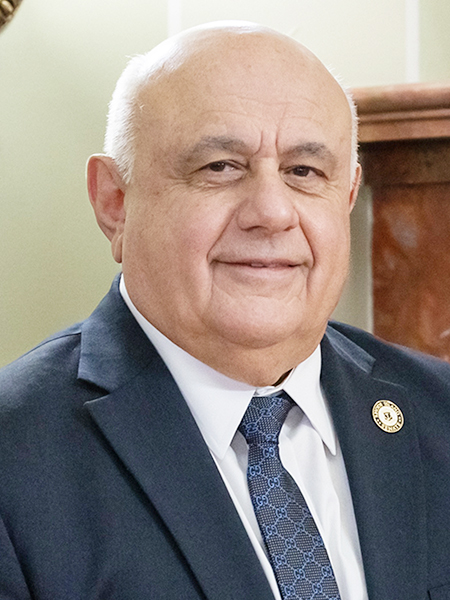
Sen. Frank Ciccone
Sponsored bills
Creates an additional Rhode Island personal income surtax of 3% on taxable income over $1,000,000, with the existing three-bracket personal income tax structure remaining in place.
Establishes the Wholesale Prescription Drug Importation Program for the importation of wholesale prescription drugs from Canada to provide savings to Rhode Island consumers.
Maddy summaryThis bill, known as the Rhode Island New Qualified Jobs Incentive Act 2015, sets a final end date for tax rate reductions provided under the state's Jobs Development Act. Specifically, it mandates that no new tax credits will be reserved for companies after June 30, 2024, and all existing rate reductions must stop by July 1, 2024. While the bill stops future incentives, it allows companies that qualified for these tax breaks before July 1, 2015, to keep their current rates as long as they continue to meet the original requirements. Essentially, the legislation ensures that the special tax benefits for job creation in Rhode Island will not extend beyond the year 2024.
Maddy summarySB 2366 establishes a new subsidy program designed to help low-income households afford their home energy bills. The law requires large electric and gas utilities to create a tiered payment plan that caps utility costs at a specific percentage of a customer's income, with discounts applied to both monthly bills and past owed amounts. Eligible households are defined as those earning up to 150% of the federal poverty level, and the program's cost will be covered by rate adjustments for all other customers. The Public Utilities Commission will oversee the creation and approval of these plans, ensuring they balance affordability for low-income families with reasonable administrative expenses.
Funds the state crime victim compensation program through an additional one dollar ($1.00) fine on traffic violations, exclusive of violations related to the parking of vehicles.
Maddy summarySB 2061 amends Rhode Island's personal income tax law to allow residents to exclude all Social Security income from their state taxable starting in 2025. The bill also updates how the state calculates income by adjusting federal figures, including specific rules for tuition savings program withdrawals and the treatment of forgiven Paycheck Protection Program loans over $250,000. These changes directly affect Rhode Island residents who receive Social Security benefits or have participated in state tuition savings accounts and loan forgiveness programs.
Increases the killed-in-line-of-duty benefit for active or retired police officer, capitol police officer, correctional officer, firefighter, crash rescue crew person, fire marshal or deputy fire marshal from 40% to 100% of the federal death benefit.
Allows for the issuance of Class BV liquor licenses for the properties located at 94 Carpenter Street and 1023 Broad Street, both in the city of Providence.
Creates an Olmstead Plan for people vulnerable to unnecessary institutionalization to update a continuum of care to receive services and supports in the least restrictive environment.