Allows for a one-time two percent (2%) supplemental cost of living adjustment for plan year 2025 to the public pension benefits administered by the ERSRI, and allows for those benefits to be deducted from the taxpayer's adjusted gross income.
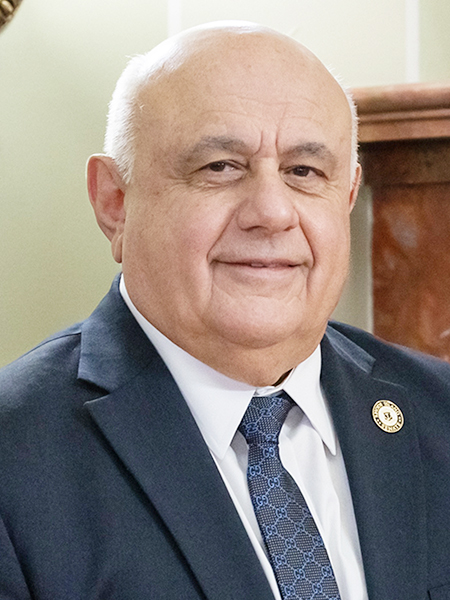
Sen. Frank Ciccone
Sponsored bills
Allocates, to the cities and towns of the state, a portion of state income taxes for new employees of not-for-profit healthcare institutions and private educational institutions.
Maddy summaryThis bill establishes a new state fund to provide tuition and related expense assistance to individuals pursuing teacher certification in shortage fields, specifically science and mathematics for grades seven through twelve. To qualify, applicants must be enrolled in a Rhode Island postsecondary program to become teachers in these areas, and the financial aid is intended to cover costs such as tuition, room, board, and books after other aid has been applied. Recipients are required to complete at least three years of full-time teaching in a shortage field within the state, or the assistance they received will convert into a loan that must be repaid. The Office of the Postsecondary Commissioner will administer the program, update the list of shortage fields biennially, and report annually on the fund's usage while maintaining applicant privacy.
Exempts from taxation the non-commercial real and tangible personal property of Southside Community Land Trust, a Rhode Island domestic nonprofit corporation, located in Providence, Rhode Island.
Maddy summarySB 2315 proposes to exempt firearm safety equipment and related products from state sales and use taxes. This change would directly affect retailers selling these items and consumers purchasing them, removing the tax liability currently associated with such transactions. The bill achieves this by amending existing state tax laws to add a new category of exempt goods alongside other items like school meals and charitable supplies. While the text provided includes a full list of other current tax exemptions, the primary focus of this specific legislative action is the inclusion of firearm safety gear.
Maddy summarySB 2308 amends the retirement rules for school teachers and other public employees in Rhode Island to allow them to retire earlier under specific conditions. The bill establishes different eligibility requirements based on when a teacher began working, with provisions for those who started before 2009, those between 2009 and 2012, and new rules effective in 2012 and 2015. For example, it allows teachers who started after 2012 to retire once they reach their Social Security retirement age with at least five years of service, while those with longer tenure may retire earlier with a reduction in their monthly pension benefits. The legislation also includes a formula to adjust retirement ages for certain long-serving employees who were not yet eligible to retire before specific cutoff dates.
Maddy summaryThis bill expands the ability for retired state employees to work part-time at state colleges and universities without losing their retirement benefits. It specifically allows retired teachers, nurses, and other eligible staff to provide classroom instruction, academic advising, coaching, or professional nursing services at these institutions. The law sets strict limits on how much these individuals can earn from such work, capping annual pay at $18,000 for general faculty roles and $15,000 for driver education, while ensuring their pension payments remain intact. Additionally, the legislation clarifies rules for other specific roles, such as elected officials and judges, who may continue to serve in those capacities after retirement without forfeiting their allowances.

Adds department of corrections' correctional officers to the list of public safety employees that are entitled to their full salary if they are injured and become disabled as a result of performance of their job duties.
Establishes the office of inspector general as an independent administrative agency charged with the responsibility to investigate, detect, and prevent fraud, waste, abuse, and mismanagement in the expenditure of public funds.
Requires that present and former employees, active and retired members, and beneficiaries receiving any retirement, disability or death allowance receive a $2,000 increase per year.