

Maddy summaryThis bill requires health insurers in Rhode Island to disclose how they use artificial intelligence for managing coverage and claims. Insurers must report details like AI models used, training data, decision-making processes, and maintain 5-year records of AI-influenced decisions - including denials of medically necessary care. All AI-driven adverse benefit determinations must be reviewed and approved by a healthcare professional before finalizing, with their rationale documented. The law mandates annual reports to state regulators on AI usage, including performance metrics like denial rates and appeal outcomes, taking effect June 2026.
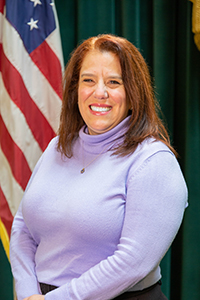
Sen. Pam Lauria
Sponsored bills
Maddy summarySB 879 expands eligibility for disabled veterans license plates to include veterans aged 75 or older with a 70% combined service-connected disability rating. Currently, veterans must have a 100% disability rating, be deemed "individually unemployable," or qualify under specific historical provisions to receive the registration fee exemption. This bill adds the 75+ age group with a 70% disability as a new qualifying category. It directly affects veterans in this specific demographic who previously did not meet existing criteria for the exemption. The change would allow them to receive the same license plate benefits and fee exemption as other qualifying disabled veterans.
Maddy summarySB 118 creates the Rhode Island Nursing Home Workforce Standards Advisory Board to address staffing and care quality in nursing homes. The board, composed of 13 members representing employers, workers, community organizations, and state agencies, will advise the legislature and labor department on wages, working conditions, and training standards for nursing home staff. It will recommend statewide minimum compensation and workplace standards but cannot enforce them directly. The bill directly affects nursing home workers, employers, and residents by aiming to improve staffing stability and care quality through data-driven recommendations. (SB 118, "Nursing Home Workforce Standards Board Act," focuses on advisory recommendations, not direct regulation.)
Removes the sunset provision of the four (4) year pilot program to prevent drug overdoses through the establishment of harm reduction centers and creates a permanent program for harm reduction centers.
Maddy summarySB 988 adds Dr. Martin Luther King, Jr.’s Birthday and Washington's Birthday to the list of recognized holidays under state labor law for purposes of work regulations on holidays and Sundays. This means employers must follow the same rules for these two holidays as they do for other designated holidays, such as requiring overtime pay or time off for eligible employees. The bill specifically amends the definition of "Holidays" in the labor code to include these days, affecting all employers covered by the state's work-on-holidays and Sundays provisions. It does not change existing exemptions for certain industries or employees. The bill passed the Senate and takes effect upon passage.
Requires EOHHS to provide self-measured blood pressure monitoring for eligible pregnant and postpartum individuals, covering home monitors, training, data transmission, and co-interventions, with state funds if federal aid is unavailable.
Creates rodent integrated pest management pilot programs for municipalities. That choose to participate. Reports would be approved by the municipality's mayor or administrator and would be submitted to the department of environmental management.
Caps the total amount that a covered person is required to pay for a covered prescription inhaler, prescription device, or prescription equipment to twenty-five dollars ($25.00) per thirty (30) day supply.
Establishes Children's Catastrophic Illness in Children Relief Fund to provide finance assistance to families for medical expenses not covered by state or federal programs or insurance contract.
Exempts from the sales tax firearm safety equipment, storage devices, gun safes, gun cabinets, gun vaults, gun cases, strong boxes, cable locks, trigger locks and biometric locks.