Requires DCYF to implement recommendations made by the child advocate and child fatality review panel within 6 months and provide a report of the measures taken to address the recommendations.
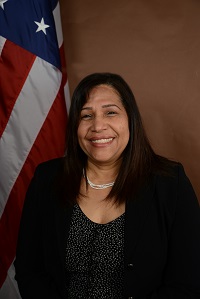
Sen. Ana Quezada
Sponsored bills
Requires DCYF to submit a one-time, detailed report on the effectiveness of EBPs in keeping children out of foster care, providing valuable data on the programs' impact on high-risk families, reunification outcomes, and program availability.
Prohibits family court from detaining or committing any youth, 12 years or younger, to training school, for any offense other than murder, first degree sexual assault, or an attempt to commit such offenses there is no other reasonable placement.
Amends the current law in order that a health insurer would not require a physician, to participate in "capitation," or any other "alternative payment model" that creates a financial incentive for a physician to limit medically necessary care.
Maddy summarySB 466 changes how Massachusetts pays nursing facilities for Medicaid services. It replaces the current cost-based payment system with a new method that adjusts rates based on patient care needs (acuity), facility occupancy, and inflation. Crucially, 80% of certain annual rate increases must be used to raise wages for direct-care staff like nurses and aides (excluding exempt employees and contracted workers), with facilities required to certify compliance annually. This applies to all nursing facilities serving Medicaid patients under both fee-for-service and managed care programs.
Establishes, encourages and supports the establishment of family councils and resident councils in managed residential communities providing assisted living services.
Maddy summarySB 310 amends the state's minimum wage law to set annual increases for covered workers. It establishes a minimum wage of $16 per hour starting January 1, 2026, rising to $17 in 2027, $18 in 2028, $19 in 2029, and $20 in 2030. The bill directly affects all employers subject to the state's minimum wage requirements, including businesses in retail, hospitality, and other sectors employing hourly workers. This amendment updates the existing wage schedule without altering current enforcement mechanisms or exemptions.
Maddy summarySB 215 increases the minimum cash wage for tipped workers (like restaurant servers) from $3.89 to $6.75 per hour, effective January 1, 2026. It directly affects employees in restaurants, hotels, and similar service industries who rely on tips as part of their income, excluding taxicab drivers. The bill sets a new hourly cash wage floor that employers must pay, ensuring tipped workers earn at least $6.75/hour without relying on tip deductions. This change follows a phased increase schedule, raising the current $3.89 floor by $2.86 over time. The law applies to all qualifying employers in these industries and takes effect upon passage.

Establishes a task force managed by the children’s cabinet to develop recommendations to improve access to early intervention and early childhood special education services.
Establishes a revolving fund to assist first-time home buyers and veterans to purchase a home in Rhode Island by issuing grants of up to forty thousand dollars ($40,000).