

Submits the state's 2025 capital development program requesting the issuance of general obligation bonds totaling twenty five million dollars ($25,000,000) for approval of the electorate at the general election to be held on November 3, 2026.
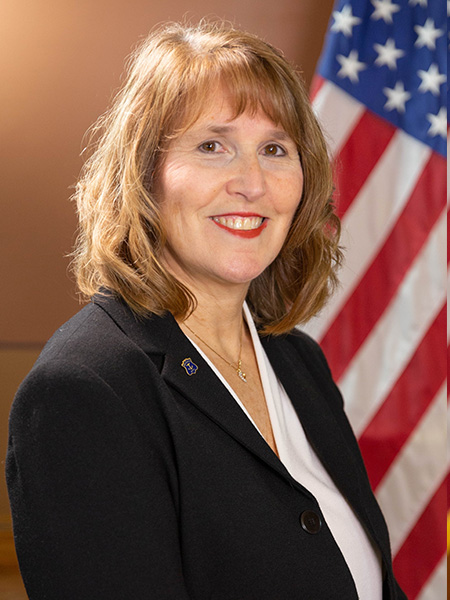
Rep. Michelle McGaw
Sponsored bills
Submits 2026 capital development program requesting the issuance of $100,000,000 in general obligation bonds to the voters for approval at the November, 2026, general election.
Maddy summaryHB 5317 amends the law regarding the relocation of utility services necessitated by state highway construction projects. This bill specifies that private corporations and companies will be reimbursed by the state for 50% of the reasonable costs to move their utility facilities. For utility facilities owned by municipalities, political subdivisions, or state agencies, the state will provide full reimbursement for relocation expenses. These reimbursements apply when state-initiated highway projects require the relocation of utility infrastructure.
Maddy summaryHouse Bill 6277 clarifies eligibility for the "Stay Invested in RI Wavemaker Fellowships" program, which provides tax credits for education loan repayment. The bill expands the definition of a "full-time employee" for healthcare practitioners to include those working as sole proprietors, partners in a healthcare service partnership, or members of a single-member LLC. To qualify, these individuals must work a minimum of 35 hours per week in Rhode Island. This change applies to healthcare professionals who have submitted applications on or after July 1, 2022.
Maddy summaryHB 5144 proposes to change the methodology for Medical Assistance (Medicaid) payments to nursing facilities and other long-term care providers. It authorizes the Executive Office of Health and Human Services (EOHHS) to review and modify the current system, allowing a shift from a price-based methodology back to a cost-based one. This new system would account for factors like patient needs, facility operating costs, and include regular inflation adjustments. A significant portion of future rate increases would be dedicated to boosting compensation for eligible direct-care workers. The bill also mandates comprehensive rate reviews every three years and establishes incentives for facilities that meet performance benchmarks.
Maddy summaryHB 5759 proposes to amend Rhode Island's personal income tax law. This bill would allow resident individuals to deduct interest payments made on outstanding student loans from their federal adjusted gross income when calculating their state income tax. If enacted, this change would reduce the taxable income for Rhode Island residents who are paying interest on student loans. The provisions of this bill are set to become effective on January 1, 2025.
Prohibits the Rhode Island medical assistance program and managed care organizations that it contracts with from requiring prior authorization or step therapy protocol for a prescription of a nonpreferred anticonvulsant or antipsychotic.
Maddy summaryHB 6236 proposes to amend the structure of school bus districts within the state to provide transportation for students in grades kindergarten through twelve. It redefines the geographical boundaries of nine school bus regions, affecting pupils attending public, vocational, special education, and certain nonpublic schools. Local school committees are tasked with providing bus transportation for eligible students residing within their specific region. The bill also includes provisions for a transition period for existing transportation arrangements and addresses funding for specific educational programs, including a stabilization fund for Central Falls, Davies, and the Met Center.
Maddy summaryThis House Resolution congratulates the town of Little Compton, Rhode Island, on the joyous occasion of its 350th anniversary in 2025. It directs the Secretary of State to transmit a certified copy of the resolution to the Little Compton Historical Society.
Directs the DHS and the department of education to work collaboratively to sustain and strengthen existing workforce development and compensation programs for educators working in licensed child care and early learning programs statewide.