

Maddy summaryHB 7905 establishes a voluntary quality rating system for early childhood education and school-age childcare programs operating in RIDE-certified school buildings. It sets specific quality standards that providers can meet to earn a rating, aiming to improve program quality through a structured, non-mandatory framework. The bill directly affects childcare providers in certified school settings by offering a pathway to recognition based on established criteria. This system encourages quality enhancements without imposing mandatory requirements on participating programs.
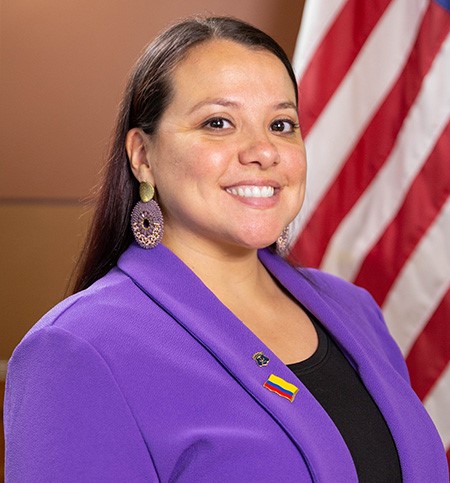
Rep. Karen Alzate
Sponsored bills
Requires BrightStars QRIS ratings for licensed child care facilities to be based on an average of all standards, ensure transparent scoring methods, and preserve automatic five-star ratings for nationally accredited programs.
Designates the month of May, annually, as "Rhode Island Native Plant Month," with appropriate ceremonies and activities to recognize and educate people about Rhode Island's native plants.
Amends the residential landlord and tenant act to prohibit the use of algorithmic renting-setting software that relies on nonpublic competitor data to determine rental prices or occupancy levels for residential dwelling units in Rhode Island.
Requires the department of behavioral healthcare, developmental disabilities and hospitals to publish a statewide guide to the youth behavioral health system.
Provides that for treatment of mental health and substance use disorders, payors would rely upon criteria which reflect generally accepted standards of care when developing coverage.
Maddy summaryHB 7943 prohibits health insurers from requiring preauthorization for in-network mental health or substance use disorder services, directly affecting insured patients seeking these treatments within their plan's network. The bill mandates that coverage for mental health and substance use disorders must meet the same terms as medical care, eliminating annual/lifetime dollar limits and ensuring cost-sharing parity with primary care visits. Key provisions include banning non-quantitative treatment restrictions that are stricter than those for medical conditions and requiring insurers to use American Society of Addiction Medicine criteria for substance use disorder coverage. The law takes effect January 1, 2027, and applies specifically to in-network services as defined in the bill.
Maddy summaryHB 7944 requires health insurance plans to cover mental health and substance use disorder treatment under the same terms as medical care. It prohibits annual or lifetime dollar limits on such coverage and mandates that financial requirements (like copays) and treatment restrictions must not be more stringent than those for physical health conditions. The bill specifies coverage categories (e.g., inpatient, outpatient), mandates medication-assisted treatments for substance use disorders (like methadone), and ensures cost-sharing for behavioral health visits matches primary care standards, directly affecting all health insurance plans and their policyholders.
Permits licensed providers to accompany emergency medical services and treat patients within the community for mental health disorders, including substance use disorders.
Maddy summaryThis bill officially designates March 2026 as Bleeding Disorders Awareness Month in Rhode Island, raising public awareness about inherited blood clotting conditions like hemophilia and Von Willebrand Disease. The resolution recognizes the national observance established by the U.S. Department of Health and Human Services and builds on earlier state-level acknowledgments of these health conditions. By directing the Secretary of State to send a certified copy to the New England Hemophilia Association, the bill facilitates coordination with advocacy groups to promote understanding of bleeding disorders and their impact on approximately 33,000 individuals with hemophilia and 3.2 million with Von Willebrand Disease.