Prohibits public utilities, serving greater 100,000 customers from recovering through rates any direct or indirect cost associated with, amongst other costs, advertising, marketing, communications.
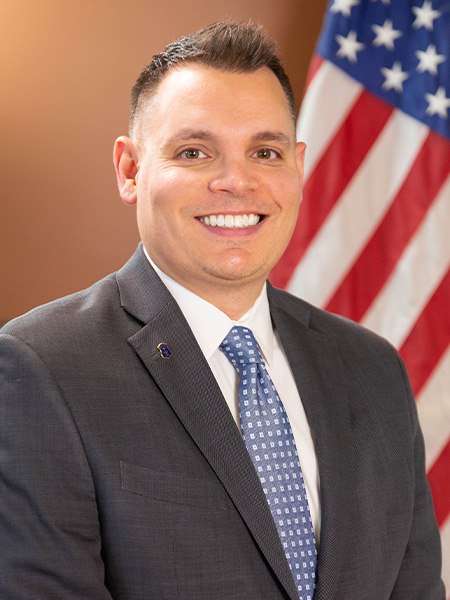
Rep. Brandon Potter
Sponsored bills
Directs the public utilities commission to establish a standardized framework for determining authorized common equity ratios and authorized rates of returns on equity for public utilities.
Maddy summaryHB 7877 establishes mandatory energy and water efficiency standards for specific commercial appliances and equipment purchased or installed after January 1, 2025. It directly affects businesses like restaurants, hotels, and offices that buy or install equipment such as commercial dishwashers, fryers, ovens, steam cookers, servers, fans, faucets, and gas fireplaces. The bill requires these products to meet minimum efficiency levels defined in the law, aligning with federal standards for certain items. These standards aim to reduce energy and water consumption in commercial settings without specifying enforcement details or expected environmental outcomes.
Maddy summaryHB 7886 requires electric and gas utility companies to read customer meters quarterly instead of monthly, with bills issued within 14 days of the reading. It mandates that utilities file their estimated billing formulas with the Public Utility Commission (PUC) for approval and prohibits charging customers extra for unrecorded usage if meters aren't read on schedule. The bill also forbids utilities from passing meter-reading costs to customers and requires any excess charges beyond prior estimates to be forfeited if quarterly readings are missed. This affects all electric and gas distribution utilities and their residential and commercial customers in the state, taking effect July 1, 2026.

Provides that effective July 1, 2026, the profit margin of any electric distribution company or distributor of natural gas, would not exceed four percent (4%), in any given calendar year.
Maddy summaryHB 7993 establishes a new bureau of public protection within Rhode Island's Attorney General's office, directly affecting businesses or government entities engaging in repeated illegal conduct. The bureau will handle consumer protection, healthcare regulation, environmental issues, and civil rights through dedicated units. It authorizes the Attorney General to seek court orders for injunctions, restitution, and penalties against "persistent illegality" (repeated illegal acts affecting multiple people), while excluding criminal law enforcement. The law requires annual reports to the legislature detailing investigations, court applications, and outcomes.
Maddy summaryHR 8043 is a non-binding resolution urging the City of Providence to enforce its existing First Source Hiring Ordinance. This ordinance requires businesses receiving public funds (like city contracts or grants) to prioritize hiring from a local job list (First Source) and notify the program before advertising job openings publicly. The resolution states that businesses are not complying with these requirements and the city is not applying penalties - such as contract termination or funding suspension - despite the ordinance's 1986 mandate to connect local residents with jobs. The resolution directs officials to the mayor, city council president, and First Source director to address the enforcement gap.
Changes the assessment for residential property where forty percent (40%) of the dwellings are below eighty percent (80%) of statewide median income and thirty percent (30%) are below sixty percent (60%).
Creates an emergency action plan related to the operation of warming and cooling centers during periods of extreme weather and establishes a statewide notification system with the National Weather Service initiating warming/cooling center alerts.
Establishes the restrictive housing oversight committee ("committee") for the purpose of monitoring the use of restrictive housing ("solitary confinement"), as well as disciplinary and administrative confinement at the department of corrections.