

Maddy summary# Summary of the Proposed "States Reform Act" This comprehensive federal legislation proposes to comprehensively reform U.S. cannabis policy by: 1. **Decriminalizing and regulating cannabis**: Removing cannabis from Schedule I of the Controlled Substances Act and establishing a federal regulatory framework similar to alcohol regulation. 2. **Creating a regulatory structure**: - Establishing a federal excise tax of 3% on cannabis products - Creating categories for different cannabis products (flower, pre-rolls, extracts, etc.) - Implementing packaging, labeling, and safety requirements - Establishing a certification process for designated State medical cannabis products 3. **Medical cannabis provisions**: - Creating a process for FDA to certify medical cannabis products - Allowing for specific medical indications (arthritis, nausea, pain, PTSD, etc.) - Permitting State medical cannabis programs to operate under federal framework - Creating a "Law Enforcement Retraining and Successful Second Chances Fund" (30% of tax revenue) 4. **Business and economic provisions**: - Removing barriers for cannabis-related businesses to access SBA loans - Establishing "cannabis-related legitimate business" definitions - Creating new reporting requirements for the cannabis industry - Mandating demographic data collection on cannabis industry workers 5. **Veterans' access**: - Prohibiting federal employment discrimination against veterans who use medical cannabis - Allowing VA health providers to discuss State-approved medical cannabis programs with veterans 6. **Other key provisions**: - Establishing a "cannabis" term to replace "marijuana" or "marihuana" in all federal law - Allowing veterans to have security clearances reconsidered if denied for cannabis use - Creating international trade policy for cannabis - Mandating continued federal drug testing for employees in certain positions - Establishing a 10-year moratorium on increasing cannabis excise tax The bill would establish a comprehensive federal framework for legal cannabis that would operate alongside existing State programs, with detailed tax, regulatory, and reporting requirements. It would also include significant provisions to address social equity, veterans' access, and economic opportunities in the emerging cannabis industry.
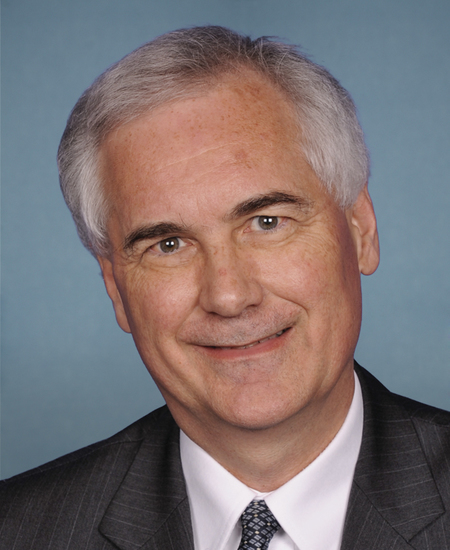
Rep. Tom McClintock
Sponsored bills
Maddy summaryThe Revoke Iranian Funding Act of 2023 would cancel all existing U.S. licenses and exemptions allowing funds to be released to Iran for humanitarian purposes, including a $6 billion transfer from South Korea. It also rescinds a specific waiver issued in September 2023 that permitted such transfers. The bill requires the Treasury to submit a 30-day report to Congress detailing Iranian assets blocked by the U.S. and current sanctions exemptions related to Iran. This legislation directly restricts U.S. financial access for Iran and its designated entities, aiming to prevent funds from being diverted to support terrorism.
Maddy summaryThis bill amends the Affordable Care Act and Medicaid/CHIP programs to deny health insurance subsidies, coverage, and related benefits to individuals with Deferred Action for Childhood Arrivals (DACA) status. Specifically, it excludes people lawfully present only due to the 2012 DHS memo granting deferred action from eligibility for ACA subsidies, Medicaid, and the State Children's Health Insurance Program (CHIP). The bill requires states to remove DACA recipients from enrollment in health plans and rescind any existing waivers that allowed such coverage. It directly affects approximately 800,000 DACA recipients who currently qualify for ACA subsidies and Medicaid/CHIP under existing rules.
Maddy summaryHR 3858, the "No Free TRIPS Act," requires the U.S. President and federal officials to obtain explicit Congressional approval *before* negotiating any changes to the global TRIPS Agreement on intellectual property rights. This bill directly affects U.S. trade negotiators and the President by blocking any withdrawal, suspension, waiver, or modification of the TRIPS Agreement without prior congressional authorization. The key mechanism mandates that Congress must give specific permission before negotiations begin, preventing unilateral executive action on international intellectual property rules. The bill focuses solely on the procedural requirement for negotiations, not on the substance of intellectual property policy or its potential impacts.
Maddy summaryHR 2640, the Border Security and Enforcement Act of 2023, makes significant changes to U.S. immigration policy. The bill revises asylum eligibility by requiring applicants to demonstrate they couldn't seek protection in countries they transited through, and establishes new rules for credible fear interviews. It creates a new employment eligibility verification system requiring employers to verify work authorization through a government system, with phased implementation based on business size. The bill also changes policies regarding unaccompanied children, requiring faster return to home countries unless they're victims of trafficking or have a credible fear of return. Additionally, it expands penalties for visa overstays and modifies parole policies for certain applicants.
Maddy summaryThe Secure the Border Act of 2023 is a comprehensive immigration bill that focuses on strengthening border security, reforming asylum processes, and updating employment verification systems. The bill requires the immediate resumption of border wall construction, mandates specific staffing levels for Border Patrol agents, and establishes new technology investment plans for Customs and Border Protection. It also introduces stricter asylum eligibility rules, expands penalties for visa overstays, and creates a new employment eligibility verification system that requires employers to check worker authorization status. Additionally, the bill includes provisions for family detention standards, child repatriation policies, and increased funding for border security operations while prohibiting certain types of funding for organizations that facilitate illegal immigration.
Maddy summaryHR 589, the MAHSA Act, imposes U.S. sanctions on Iran's Supreme Leader, President, and affiliated entities responsible for human rights abuses and terrorism. It targets the Supreme Leader's Office, the President's cabinet, security forces involved in the crackdown following Mahsa Amini's death, and entities financing abuses. The bill requires the President to annually determine and apply existing sanctions - like property blocking and visa bans - against these individuals and entities. This directly affects Iran's top leadership and security apparatus, aiming to hold them accountable for abuses including the Morality Police's role in Amini's detention and the subsequent violent suppression of protests.
Maddy summaryHR 319, the Legal Workforce Act, establishes a new government-run system for verifying employment eligibility in the United States. The bill requires employers to verify the identity and work authorization of new hires using specific documents (such as passports, driver's licenses, or employment authorization cards) through a new verification system, with implementation timelines varying by employer size (6-24 months after enactment). It replaces the previous E-Verify system, includes special provisions for agricultural workers with 30-month implementation timelines, and establishes penalties for non-compliance ranging from $2,500 to $25,000 per violation. The law also creates new procedures for reverifying employees with limited work authorization and includes provisions to prevent identity fraud in the verification process.
Maddy summaryThis bill bans federal funding for abortions in most cases, prohibiting the use of taxpayer money for abortion services or health insurance plans covering abortion. Exceptions allow funding for abortions resulting from rape, incest, or when a pregnancy endangers a woman's life. It requires health insurance plans sold through the Affordable Care Act (ACA) marketplaces to clearly disclose any separate costs for abortion coverage and prohibits ACA subsidies from being used for plans that cover abortion (except in the specified exceptions). The law directly affects federal programs like Medicaid, ACA marketplace plans, and insurers offering health coverage to individuals using federal subsidies.
Maddy summaryHR 152, titled the "Hearing Protection Act," actually addresses firearm silencers (suppressors), not hearing protection. The bill removes federal registration requirements for silencers by directing the Attorney General to destroy all existing silencer records within 365 days. It also preempts state laws that tax, register, or impose recordkeeping requirements on silencers, making such state rules unenforceable. Additionally, the bill updates tax codes to include silencers as taxable items and clarifies their definition in firearm laws.