

Maddy summaryThis Pennsylvania law establishes a new annual fee of $290 for owners of noncommercial electric vehicles, replacing the traditional liquid fuels tax that previously exempted these cars. The bill defines specific types of electric and hybrid vehicles to determine eligibility and requires owners to pay this charge concurrently with their vehicle registration fees. Owners can pay the fee as a single annual amount or through a monthly payment plan, and failure to pay within 30 days will result in penalties and a ban on renewing the vehicle's registration. Additionally, the legislation clarifies legal definitions for electric vehicles and hybrids while providing a specific exemption from alternative fuels tax for electricity generated at the owner's home.
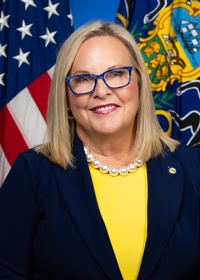
Sen. Judy Ward
Sponsored bills
Maddy summaryThis bill updates the funding rules for Pennsylvania's state universities by requiring a council to select no more than six performance metrics to distribute specific portions of state appropriations. If the council fails to meet its reporting deadline, a pre-defined set of default metrics will automatically take effect to allocate funds based on graduation rates, tuition costs, retention, and degrees in high-priority fields. The law also establishes a five-year review cycle to reassess these performance measures and outlines a process for funding the administrative costs of implementing the new system.
Maddy summaryThis bill expands the definition of eligible institutions for Pennsylvania's Grow Pennsylvania scholarship programs to include schools approved under the Higher Education Scholarship Law and those established under Article XIX-G. It updates the list of covered academic areas to include special education, STEM, and allied health fields while clarifying that students may take occasional online courses. The legislation also modifies repayment rules by allowing agencies to charge interest on unearned scholarships and permitting students to switch between different approved courses of study without losing eligibility. Additionally, the bill requires the state to actively market these programs online at least every three years and ensures that scholarship funds do not disqualify schools from receiving other state grants.
Maddy summarySB 1236 amends the Landlord and Tenant Act of 1951 to clarify legal definitions regarding who qualifies as a tenant versus an owner. The bill expands the definition of a lease to include oral agreements and situations where an owner accepts rent, while explicitly stating that someone who is not or has never been a tenant does not fall under these protections. By making these textual changes, the legislation updates the rules used to determine recovery of possession and notice requirements for landlords and tenants.
Maddy summaryThis bill updates Pennsylvania's trust laws to align with the Uniform Trust Code, affecting individuals who create trusts, manage them as trustees, or benefit from them. It introduces new definitions for key concepts like "breach of trust" and clarifies how trust terms interact with state laws, including rules on which state's laws apply and where a trust is legally located. The legislation also expands options for resolving trust disputes without going to court, allows for trusts that direct trustees on specific actions, and provides clearer procedures for appointing successors and settling accounts. Additionally, it updates provisions regarding charitable trusts, animal care trusts, and the powers and duties of trustees to better reflect modern trust administration practices.
Maddy summaryThis bill updates Pennsylvania's Human Services Code to ensure that medical assistance covers payments for custom orthotics and prosthetics. It requires the state department to set reimbursement rates for these items at a level no lower than the current federal Medicare fee schedule. Additionally, the law mandates that all specific codes for these custom devices be included in the state's medical assistance program. The changes are designed to align state coverage with federal standards for durable medical equipment.
Maddy summaryThis resolution honors the life and achievements of Seymour Holtzman, a businessman, humanitarian, and leader who passed away in May 2024. It recognizes his extensive career, which included founding multiple businesses, leading significant investments in Eastern Europe, and serving in various government advisory roles under President Reagan. The document formally expresses the Senate's condolences to his family and acknowledges his contributions as a philanthropist and advocate for free trade.
Maddy summaryThis bill updates Pennsylvania's Professional Nursing Law to change how nurses and dietitians are licensed and educated. It requires applicants to pay fees set by the licensing board and mandates individualized assessments for those with criminal convictions. The law also updates education standards by requiring nursing and dietetic programs to meet specific accreditation criteria and clarifies the qualifications needed for certified registered nurse practitioners. Additionally, it establishes a process for the board to maintain a list of approved clinical nurse specialist programs and manage student credits if a school is removed from that list.
Maddy summarySB 82 updates Pennsylvania's Dog Law by clarifying definitions and strengthening regulations for dog kennels and licensing. The bill establishes specific criteria for what constitutes a commercial kennel versus a service dog kennel, which is defined as a nonprofit organization exclusively breeding and training dogs to assist people with disabilities. It mandates stricter health protocols for imported dogs, requiring a 14-day quarantine unless the animal has recent negative tests for heartworm and parasites along with updated vaccinations. Additionally, the law expands the grounds for revoking kennel licenses to include convictions for animal cruelty and assault against service or guide dogs.
Maddy summaryThis Pennsylvania bill updates state laws to clarify which inmates are ineligible for early release programs, specifically short sentence parole and certain parole eligibility rules. It directly affects prisoners convicted of specific serious offenses, such as incest, open lewdness, and crimes involving child sexual abuse material, by ensuring they cannot access these accelerated release options. The legislation also standardizes the term "child sexual abuse material" throughout the statutes to replace older references to "child pornography." Additionally, the bill makes minor editorial changes to correct references within the legal code.