

Maddy summaryThis resolution (SR 138) is a non-binding statement by the Pennsylvania Senate recognizing September 2025 as "Suicide Prevention Month" within the state. It does not create new laws, programs, or funding; it solely serves to symbolically acknowledge the issue and align with the national observance. The resolution highlights suicide statistics and the National Alliance on Mental Illness theme for awareness, but the designation itself has no direct policy impact on individuals or services. It affects the state government's official recognition of the month, not Pennsylvanians' access to mental health resources.
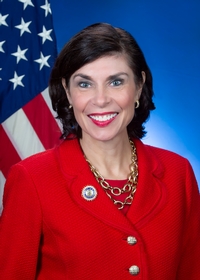
Sen. Kristin Phillips-Hill
Sponsored bills
Maddy summarySB 966 updates Pennsylvania's utility regulations for both natural gas and electric industries. It requires natural gas and electric distribution companies to fully account for all costs (like labor, billing, and infrastructure) and fairly allocate shared costs between regular customers and the "supplier of last resort" (a fallback provider). The bill also mandates consumer protections during supplier changes, requiring direct customer confirmation for switches and clear identification procedures. Additionally, it creates mandatory training and certification for natural gas supplier staff on consumer protection rules before they can work with customers. These changes aim to ensure cost transparency, fair pricing, and better service for utility customers.
Maddy summarySR 135 is a Senate resolution honoring Pennsylvania veterans on Veterans Day, November 11, 2025. It formally recognizes all Pennsylvania veterans who served during wartime and peacetime, acknowledging their contributions to national security. The resolution encourages communities across Pennsylvania to hold ceremonies on that date to honor approximately 700,000 current Pennsylvania residents who have served in the armed forces. As a commemorative resolution, it does not create new laws or policies but serves as a symbolic gesture of appreciation.
Maddy summarySB 961, the Freedom in Public Contracting Act, prohibits Pennsylvania state and local governments from requiring contractors on public works projects to use union-represented workers, pay union dues, recognize unions, or follow specific apprenticeship or wage/benefit programs. It directly affects contractors bidding on government construction projects (like roads or buildings) by banning discriminatory contract terms based on union status or participation in union programs. The law allows affected contractors to sue a government body in court to stop violations and seek damages or legal fees. It takes effect 60 days after enactment, with exceptions only for federally mandated prevailing wages or state minimum wage laws.
Maddy summaryThis resolution designates the week of August 17-23, 2025, as "Social Media Safety and Parental Awareness Week" in Pennsylvania. It aims to raise awareness about online child exploitation, citing statistics such as a 192% increase in online enticement cases (546,000 in 2024) and 1 in 5 teens experiencing sextortion. The resolution encourages educational programming and public awareness efforts to protect minors from social media risks as students return to school, without creating new laws or enforcement mechanisms. It is a non-binding symbolic gesture focused on community education, not a policy change.
Maddy summarySB 959 requires Pennsylvania insurance companies to use a standardized health insurance claim form developed by the Department of Insurance within 180 days. This uniform form must be used by all insurers, the state's public health programs, and healthcare providers within 120 days of its creation, though dental and vision claims may use the form at the insurer's discretion. The bill also mandates that insurers allow direct payment to dental providers when a patient authorizes it (a provision set to expire after 10 years) and requires a study on the impact of this payment rule. The Legislative Budget Committee must report on network participation changes within 36 months of the bill's effective date.
Maddy summarySB 958 expands eligibility for wine and spirits auction permits under Pennsylvania's Liquor Code, allowing specific qualified nonprofits to host fundraising events. The bill permits hospitals, museums, cancer research organizations, educational institutions, and other designated nonprofits to apply for a permit costing $30 per day, valid for up to four days annually. These permits enable eligible groups to auction wine and spirits without requiring a full liquor license, supporting their fundraising efforts. The bill amends existing liquor regulations to create this new, limited-use authorization for charitable purposes.
Maddy summarySB 960 amends Pennsylvania's Liquor Code to clarify rules for hotels, restaurants, and clubs holding liquor licenses. It allows these businesses to sell malt or brewed beverages off-premises in quantities up to 192 fluid ounces per sale, while prohibiting clubs from selling such beverages for off-premises consumption between 2 a.m. and 7 a.m. The bill also restricts certain officials - including police officers, sheriffs, and judges - with arrest or sentencing authority from owning liquor licenses. These changes directly affect licensed establishments and ensure consistent sales hour regulations across different venue types.
Maddy summarySB 245 establishes Pennsylvania's Regulatory Sandbox Program, allowing businesses to temporarily test innovative products and services - such as those using blockchain technology - in regulated sectors like finance and insurance without full compliance with certain state laws. The program is administered by the new Regulatory Relief Office (within the Governor's Office), which reviews applications and works with agencies to waive or suspend relevant regulations for approved participants. An advisory committee, including business representatives and legislators, provides input and can override agency rejections of applications. This directly affects businesses developing new offerings who seek a controlled environment to demonstrate innovations before full market rollout.
Maddy summarySB 416 allows licensed organizations in Pennsylvania (like charities or community groups) to accept electronic payments - such as credit cards, debit cards, or mobile payments - for raffle tickets. It requires these organizations to verify buyers are at least 18 years old and comply with federal gambling laws. The bill specifically prohibits mobile payment services for certain gaming licensees under Chapter 9. It also removes an outdated regulation (61 Pa. Code § 901.506) that conflicted with these new payment rules.