

Maddy summaryThis bill updates Pennsylvania's Covered Device Recycling Act by clarifying definitions and expanding the range of electronic items subject to recycling requirements. It specifically adds smartphones, tablets, smartwatches, and other personal electronics to the list of covered devices while removing mobile phones and landline telephones from the program. The legislation also establishes a sales prohibition mechanism that allows the Department of Environmental Protection to ban the sale of specific brands that fail to meet recycling obligations. Additionally, the bill increases the definition of a small business for program eligibility from 50 to 100 employees and requires manufacturers to report their market share and recycling plans.
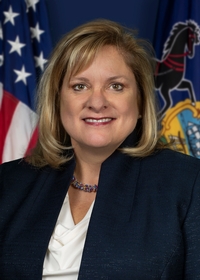
Sen. Tracy Pennycuick
Sponsored bills
Maddy summaryThis Senate Resolution designates May 2026 as "National Treatment Court Month" in Pennsylvania to raise awareness about specialized courts that address substance use and mental health issues. The measure highlights the work of judges, prosecutors, treatment providers, and other professionals who operate these courts to help individuals recover rather than face traditional punishment. By acknowledging these programs, the resolution aims to educate the public and encourage continued support for initiatives that focus on rehabilitation and community safety.
Maddy summaryThis Senate resolution designates the week of May 17 through 23, 2026, as "Emergency Medical Services Week" in Pennsylvania. The bill directly affects the state legislature and aims to recognize the work of emergency medical services providers, including first responders, paramedics, and volunteers. It does not create new laws or change policies but serves as a commemorative measure to highlight the importance of emergency care.
Maddy summaryThis bill requires Emergency Medical Services providers in Pennsylvania to complete specific training on caring for individuals with Alzheimer's disease and other dementias. The legislation mandates an initial three-hour course covering communication strategies, behavioral management, and recognizing signs of elder abuse, along with an annual one-hour continuing education requirement. The Department of Health will develop this curriculum in partnership with the Department of Aging, and providers who fail to meet these training standards may face certification sanctions. Additionally, the law includes a provision allowing providers who completed similar training within 18 months of the bill's effective date to waive the initial course requirement.
Maddy summaryThis bill authorizes Pennsylvania to join the Athletic Trainer Interstate Compact, allowing licensed athletic trainers to practice in other member states without obtaining separate licenses for each location. The legislation empowers the Governor and the Secretary of the Commonwealth to execute the agreement, which aims to improve public access to care, support military families, and reduce administrative burdens for professionals. Under the compact, a Pennsylvania athletic trainer with a valid, unencumbered license would receive a "compact privilege" to work in other participating states while still adhering to the patient's local laws and regulations. The agreement also establishes a commission to oversee the compact and facilitates the sharing of disciplinary and investigative information among member states to maintain public safety.
Maddy summarySenate Resolution 298 designates May 4, 2026, as "Aerospace Day" in Pennsylvania to raise awareness about the state's aerospace industry. This symbolic resolution does not create new laws or change any policies, but instead serves as a commemorative gesture to highlight the sector's economic importance. The bill directly affects the state government by formally recognizing the date, while the aerospace industry and its workers are the primary subjects of the recognition.
Maddy summaryThis bill creates a public online registry in Pennsylvania to list individuals convicted of aggravated cruelty to animals, starting in January 2027. The Pennsylvania State Police will maintain this list, which includes photos and identifying details but excludes sensitive numbers like Social Security numbers, and courts will send conviction records to the police within 60 days. People convicted once will remain on the list for two years, while repeat offenders stay for five years or longer, with judges having the option to order a lifetime ban on animal ownership for severe cases. Additionally, anyone selling, transferring, or adopting an animal must check the registry to ensure the buyer is not listed, with penalties including fines and license revocation for those who fail to do so.
Maddy summaryThis Senate Resolution honors Pennsylvania service members participating in Operation Epic Fury and expresses the state's support for their efforts. It recognizes the courage and sacrifice of soldiers, airmen, marines, sailors, and guardians while acknowledging the historical context of threats from Iran. The measure does not change laws or allocate funds but instead formally commends these troops and their families for their dedication to national security. A copy of the resolution will be sent to the Secretary of War and Pennsylvania's members of Congress.
Maddy summaryThis Pennsylvania bill, SB 1300, amends the state's personal income tax code to allow tax-free withdrawals from certain retirement accounts for specific life events. It directly affects Pennsylvania residents who hold these accounts and plan to access funds for a child's birth or adoption or to purchase a first-time home. Under the new provisions, parents may withdraw up to $5,000 individually or $10,000 combined per child, while first-time homebuyers can withdraw up to $10,000. The legislation aligns state tax treatment with federal exemptions for these categories of early withdrawals. These tax exemptions will apply to tax years beginning on or after January 1, 2027.
Maddy summaryThis bill amends Pennsylvania's Chiropractic Practice Act to create a new certification program for chiropractic assistants. It directly affects individuals seeking to work as supportive staff in chiropractic offices by establishing specific eligibility requirements, including age, education, moral character checks, graduation from an approved program, and passing a state exam. The legislation outlines procedures for temporary certification, exam retakes, and the exclusive use of the "certified chiropractic assistant" title, while also defining the scope of work these assistants can perform under the direct supervision of a licensed chiropractor. Additionally, the bill mandates continuing education for renewal and sets rules for reinstating certifications that have been revoked.