

Maddy summaryHB 1761 prohibits water utilities and municipal authorities from charging "standby fees" to specific groups. It directly affects volunteer fire companies, nonprofit rescue squads, and nonprofit ambulance services (if they own/occupy buildings with fire protection systems and pay for them), as well as residential property owners with automatic fire protection systems. The bill defines a "standby charge" as an extra fee beyond the actual cost of water service for fire protection systems, and bans this practice. Existing charges for affected groups will continue until the next billing cycle after the law takes effect. The law amends both municipal and utility statutes to enforce this prohibition.
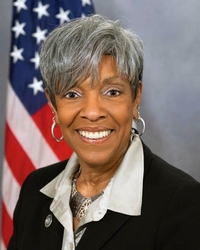
Rep. Carol Hill-Evans
Sponsored bills
Maddy summaryHB 1756 allows volunteer fire companies, nonprofit rescue squads, ambulance services, and senior citizen centers in Pennsylvania to apply for electricity rates matching residential service costs instead of commercial rates. To qualify, these organizations must sign a one-year contract with their utility provider. The bill amends Pennsylvania's Public Utilities code (Title 66) to require utilities to offer this rate option upon request. This change directly affects eligible nonprofit organizations by potentially lowering their electricity costs through simplified rate access. The bill takes effect 60 days after enactment.
Maddy summaryHB 1760 establishes a 5% minimum annual participation goal for veteran business enterprises (including service-disabled veteran-owned small businesses) in Pennsylvania's state procurement contracts. It requires the Department of General Services to verify business certifications, maintain a directory of qualified veteran-owned businesses, and provide assistance to help these businesses compete for contracts. The bill also creates an "aspirational target" for participation that can be adjusted every five years after a disparity study, and allows agencies to request waivers for specific contract goals. This applies to Commonwealth agencies purchasing goods or services under Titles 51, 62, and 74 of Pennsylvania law.
Maddy summaryHB 1757 creates a voluntary Pennsylvania firefighter cancer registry managed by the Department of Health. It requires collecting anonymized data from firefighters, including fire incident types, work history, health information, and demographics, to link with existing cancer registry data. The registry aims to identify cancer trends and regional disparities among firefighters, with annual reports to the Governor and legislature containing findings and recommendations. All data remains confidential and cannot be used in court or for disciplinary actions. The registry will also make de-identified data available for public research without fees.
Maddy summaryHB 1754 amends Pennsylvania's Tax Reform Code of 1971 to update the definition of "compensation" for personal income tax purposes. It specifically clarifies that "compensation" includes salaries, wages, bonuses, and certain deferred income payments under federal law, while explicitly excluding government benefits like Medicaid, SNAP (food stamps), TANF, and retirement payments. The bill does not change tax rates or create new taxes but provides clearer rules for what counts as taxable income under the state's tax code. This technical update primarily affects how Pennsylvania employers and taxpayers report income for state tax filing.
Maddy summaryHouse Bill 1755 amends Pennsylvania's Public Utilities code to include "tow truck operators" and "towing" in its official definitions. The bill grants the Public Utility Commission the authority to set insurance requirements for tow truck operators, similar to existing regulations for motor carriers. It mandates that all tow truck operators must carry public liability insurance or a surety bond for each vehicle, providing a minimum of $750,000 in coverage for accident claims involving bodily injury, death, or property damage.
Maddy summaryHB 1299 amends Pennsylvania's Unfair Trade Practices and Consumer Protection Law to regulate automatic renewal and continuous service offers. It requires businesses to clearly disclose renewal terms, pricing after trials, and cancellation options in a way consumers can retain, and to allow online cancellation. The law applies to most subscription-based goods/services but excludes health clubs, federally regulated utilities, natural gas/electricity contracts, and insurance entities. Violations would be treated as unfair trade practices under existing enforcement mechanisms.
Maddy summaryHB 1668 allows first-class cities in Pennsylvania to create property tax incentives for owners of residential high-rise buildings to install automatic fire sprinkler systems and monitoring devices. It directly affects building owners in cities like Philadelphia by offering tax abatements or relief programs to encourage these safety upgrades. The bill amends the Fiscal Code to authorize this approach, focusing on concrete policy changes without mandating specific actions.
Maddy summaryHB 564 updates Pennsylvania law to establish a new mental health crisis response system. It requires the Department of Human Services to create and operate this system, including training crisis responders and coordinating care. The bill directly affects individuals experiencing mental health crises and the state agencies responsible for emergency mental health services. Key provisions mandate specific duties for DHS to ensure timely, accessible crisis support statewide. The bill passed final passage on July 14, 2025, and is now under review by the Health & Human Services committee.
Maddy summaryHB 1466 requires mortgage lenders in Pennsylvania to provide mandatory housing counseling to applicants before processing reverse mortgage loans. Specifically, licensees must arrange in-person, phone, or video counseling from a HUD-approved agency, covering reverse mortgage details and alternatives, and issue a certificate documenting the session. This applies to all applicants for reverse mortgages - loans secured by home equity that don’t require repayment until later - and mandates lenders to keep counseling records for the loan’s duration. The bill directly affects mortgage lenders and reverse mortgage applicants, aiming to improve consumer understanding of this complex financial product.