

Maddy summaryHB 1779 requires businesses using algorithms to set prices (like online retailers or service platforms) to disclose how those algorithms work to consumers. It mandates the Pennsylvania Attorney General and Consumer Protection Bureau to develop rules for transparency and investigate unfair pricing practices. The bill directly affects companies that use dynamic or automated pricing models and aims to give consumers clearer insight into how prices are determined. This is a concrete policy change focused on disclosure, not on regulating specific prices or outcomes.
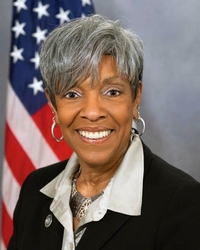
Rep. Carol Hill-Evans
Sponsored bills
Maddy summaryHB 1775 modifies Pennsylvania's entertainment production tax credit program under the 1971 Tax Reform Code. It updates definitions, adds limitations on credit eligibility, and establishes new audit procedures for businesses claiming the credit. The bill also creates a formal review process for the Department of Revenue to examine credit claims. Additionally, it introduces a separate tax credit for creative professionals working in the entertainment industry. The bill was recently referred to the Finance Committee for further consideration.
Maddy summaryHB 1770 amends Pennsylvania's Public School Code to require public schools to offer an additional math program for students in kindergarten through fifth grade. This program would provide extra math instruction to help young students build foundational math skills during their early school years. The bill directly affects all K-5 public schools in Pennsylvania and the state education department, which would be responsible for developing and overseeing the program. It adds a specific requirement to the state's educational standards without changing existing curriculum structures.
Maddy summaryHB 1773 amends Pennsylvania's Liquor Code to legalize adult recreational cannabis use for individuals aged 21 and older. The bill establishes a regulatory framework for cannabis businesses, including licensing requirements, and imposes two specific taxes: a gross receipts tax on all cannabis sales and an excise tax on cannabis products. It also repeals outdated provisions in the existing Liquor Code that conflict with this new system. The bill is currently under review by the Health committee.
Maddy summaryHB 1778 establishes a pilot program called the Essential Energy Stability Fund to provide limited financial assistance for utility bills to eligible low-income households during off-season periods (outside regular peak billing cycles). The fund would use a dedicated state appropriation to help households manage unexpected energy costs when they might face financial strain. This temporary program is designed to test whether targeted off-season support can improve energy affordability for vulnerable residents. The bill focuses on concrete funding for direct assistance, not broader policy changes.
Maddy summaryHB 1577 amends the Human Services Code to establish requirements for ensuring safe and humane practices in residential facilities caring for children and youth. It directly affects children in group homes, foster care settings, and similar institutions by mandating specific standards for their treatment and safety. The key provision requires these facilities to implement and maintain practices that prioritize child well-being and prevent harm. The bill passed the House on July 9, 2025, and is now referred to the Aging & Youth committee for further consideration.
Maddy summaryHB 1576 updates Pennsylvania's Human Services Code to change how counties receive payments for child welfare services. It requires counties to submit detailed reports on their service delivery for state review before payments are finalized. This directly affects counties that provide child welfare programs by adding reporting requirements to the payment process. The bill modifies existing payment rules to improve oversight and ensure funds align with actual service provision.
Maddy summaryHB 1573 amends Pennsylvania's Human Services Code to improve access to services for children and youth. It requires human services agencies to collect and report more detailed statistics on service usage and outcomes, and provides funding for research to evaluate program effectiveness. These changes aim to make service delivery more responsive to community needs by strengthening data collection and research support within existing youth-focused programs. The bill directly affects children, youth, and agencies administering human services programs under the code.
Maddy summaryHB 1319 amends Pennsylvania's Mechanics' Lien Law of 1963 by updating the definition of "Materials" to explicitly include "rented equipment reasonably necessary for construction." This change directly affects contractors, suppliers, and property owners involved in construction projects who use lien claims to secure payment. The bill clarifies that equipment rented for construction - like scaffolding or heavy machinery - counts as "Materials" under lien law, ensuring it qualifies for payment protection. The amendment makes the existing law clearer but does not create new requirements or obligations. The bill passed in July 2025 and takes effect 90 days after enactment.
Maddy summaryHB 1758 removes existing rules that prevented employers from disciplining or terminating volunteer firefighters, ambulance staff, or rescue squad members who missed work for emergency calls. It replaces these provisions with a new tax credit program for employers who hire volunteer emergency responders (including firefighters, ambulance personnel, and rescue squad members). The tax credit, available to both private businesses and government entities, helps offset costs associated with employing these volunteers. This bill directly affects volunteer emergency responders and their employers across Pennsylvania by shifting from disciplinary protections to a financial incentive.