

Maddy summaryHB 80 would authorize Pennsylvania to join the Audiology and Speech-Language Pathology Interstate Compact. This compact allows licensed audiologists and speech-language pathologists to practice in other participating states without obtaining separate licenses for each state. The bill directly affects these healthcare professionals and their patients, streamlining cross-state practice for providers. It creates a standardized process for reciprocity among member states, eliminating redundant licensing requirements.
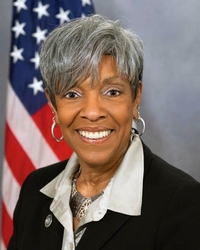
Rep. Carol Hill-Evans
Sponsored bills
Maddy summaryThis bill would waive initial identification card fees for first-time voters in Pennsylvania who are 18 or older and do not already have a valid driver's license. The exemption applies to both the card cost and the required photograph fee, provided the individual submits a written statement confirming their eligibility. The Department of Transportation may request additional information to verify identity and voting eligibility before granting the waiver. The changes would become effective 60 days after the bill is enacted.
Maddy summaryThis bill requires online platforms in Pennsylvania to inform users when their content may be used to train artificial intelligence systems. It applies to websites and apps that collect user-created content like posts, videos, or images for AI training purposes. The law mandates that platforms must provide a clear, separate disclosure at sign-up and require users to acknowledge receiving this notice before they can post content. The bill defines key terms like "artificial intelligence" and "platform" to ensure consistent application of the disclosure requirement.
Maddy summaryThis bill would amend Pennsylvania's Insurance Company Law to explicitly exempt health care sharing ministries from state insurance regulations and oversight by the Insurance Commissioner. It defines these ministries as faith-based nonprofit organizations where members share medical expenses based on common ethical or religious beliefs, with voluntary contributions and no promise of payment. To qualify, these organizations must provide monthly expense statements, undergo annual independent audits, and include clear disclaimers on membership materials stating they are not insurance and members remain personally responsible for medical bills. The changes apply to any organization meeting the specified criteria and would take effect 60 days after enactment.
Maddy summaryThis bill establishes a fee system for Pennsylvania municipalities that receive patrol services from the State Police, requiring towns without their own full-time police forces to pay for those services. The legislation creates new definitions for different types of patrol services and sets fee amounts based on the difference between 2021-2022 and current Motor License Fund appropriations to the State Police. Small municipalities with limited local police hours and those that have existing patrol agreements with the State Police are exempt from paying fees. The bill also requires the State Police to submit annual reports on these services and includes provisions for penalties and intermunicipal police response coordination.
Maddy summaryThis bill amends Pennsylvania law to allow individuals and married couples filing for bankruptcy to choose between federal exemptions or a new state-specific set of protections for their assets. The state options include up to $650,000 in home equity, $50,000 to $100,000 in personal property, $20,000 to $40,000 in vehicle equity, and various protected items like wages, Social Security benefits, and government assistance programs. Dollar amounts in the state exemptions will automatically adjust every three years based on inflation data published by the federal government. The changes take effect 60 days after the bill is enacted, applying to bankruptcy proceedings filed in Pennsylvania courts.
Maddy summaryThis resolution designates March 31, 2026, as Transgender Day of Visibility in Pennsylvania to honor the contributions and lives of transgender individuals. The measure does not change laws or policies but serves as a symbolic recognition of the date, which is already observed nationally to celebrate transgender accomplishments and raise awareness about challenges the community faces. It is sponsored by multiple representatives and referred to the Committee on State Government for consideration. The resolution highlights the importance of transgender visibility and acknowledges the ongoing discrimination and violence the community experiences.
Maddy summaryThis bill establishes new Boards of Prison Inspectors at each Pennsylvania State correctional institution to oversee facility conditions and operations. The boards will consist of 18 members including medical professionals, educators, law enforcement officers, county officials, and community representatives, with at least one member being a former inmate or family member of an inmate. Each board will conduct unannounced inspections at least twice annually, review inmate complaints and officer misconduct records, and submit public reports on their findings. Board members serve three-year terms without pay but receive expense reimbursement, and they are prohibited from being current employees of the correctional system.
Maddy summaryThis bill amends Pennsylvania's Public School Code to set a strict 60-day deadline for schools to complete initial disability evaluations for students after receiving parental consent. It directly affects school districts, private schools, and other educational organizations that provide services to children with disabilities, while explicitly excluding charter schools from this requirement. The law requires schools to provide parents with a copy of the completed evaluation within this timeframe and takes effect 60 days after passage.
Maddy summaryThis bill amends Pennsylvania's Health Care Facilities Act to establish a new requirement for health care site neutrality, which aims to prevent insurance companies from charging different rates based on where a patient receives care. The law defines "campus" as the main buildings of a health care facility plus areas within 250 yards, and prohibits health benefit plans from applying different reimbursement rates for services provided on campus versus off-campus locations. Key provisions include defining applicable services such as outpatient evaluations, diagnostic services, and imaging, while excluding private practitioner offices and religious facilities from these requirements. The bill also establishes specific definitions for facility fees and health care contracts to ensure consistent application of the neutrality rules across various types of health care providers and facilities.