

Maddy summaryThis bill requires hospitals in Pennsylvania with emergency departments to have a board-certified or board-eligible emergency physician on site and on duty whenever the emergency department is open. The law defines these physicians as those licensed in Pennsylvania who hold board certification in emergency medicine or have completed accredited residency training and remain eligible for certification. Hospitals in rural areas with an average of 46 or fewer emergency department visits per day over two years may request an exception to allow physicians with different emergency medicine qualifications to staff the department. The Department of Health has the authority to grant these exceptions after reviewing a hospital's documented efforts to recruit and retain qualified emergency physicians and any additional conditions needed to protect patient safety.
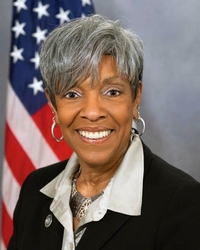
Rep. Carol Hill-Evans
Sponsored bills
Maddy summaryThis Pennsylvania House Resolution designates March 8, 2026, as "Fight of the Century Day" to commemorate the historic 1971 boxing match between Muhammad Ali and Joe Frazier. The bill honors the legendary event by recognizing the fighters' careers, their impact on boxing history, and their contributions to their communities. It serves as a commemorative measure with no regulatory or funding implications, requiring only that the date be officially recognized within the state. The resolution was introduced by multiple representatives and referred to the Committee on Tourism, Recreation and Economic Development for consideration.
Maddy summaryThis Pennsylvania House resolution designates March 25, 2026, as Greek Independence Day within the state. The measure recognizes the historical ties between Greece and the United States, including the influence of ancient Greek democracy on American governance and the significant contributions of Greek Americans to Pennsylvania's economy and culture. It calls on residents to acknowledge the Greek struggle for freedom and the shared values of democracy and self-determination between the two nations. The resolution does not create legal obligations or change laws but serves as a symbolic recognition of the relationship between the states and the Greek community.
Maddy summaryThis bill designates July 1, 2026, as "Canada Day" in Pennsylvania to honor the state's relationship with Canada. It encourages residents, businesses, and institutions to observe the day and directs a copy of the resolution to Canadian government partners. The measure is symbolic and does not create new laws or change existing policies.
Maddy summaryPennsylvania House Resolution HR 418 honors the life and legacy of former Pennsylvania Supreme Court Justice Sandra Schultz Newman, who was the first woman elected to the state's highest court (serving 1995-2006) and passed away in February 2026. The resolution recognizes her career milestones, including her historic election, service on the Supreme Court, and contributions to the legal community and her alma maters (Drexel University and Villanova Law). It is a nonbinding ceremonial resolution with no policy impact, intended solely to commemorate her achievements.
Maddy summaryThis is a ceremonial resolution designating March 17, 2026, as "Bayard Rustin Day" in Pennsylvania. It honors Bayard Rustin, a key civil rights leader who organized the 1963 March on Washington and advocated for racial equality, labor rights, and LGBTQ+ rights. The resolution does not create new laws or policies; it solely serves to commemorate Rustin's legacy through a designated day. No specific individuals or groups are directly affected by this designation, as it is purely symbolic recognition.
Maddy summaryHB 1492 amends Pennsylvania's 1951 Landlord and Tenant Act to regulate how landlords use criminal records when screening potential tenants. It would limit the types of criminal records landlords can consider and require the Pennsylvania Human Relations Commission to establish guidelines for fair screening practices. The bill also imposes penalties for landlords who violate the new rules and mandates the Commission to monitor compliance with the updated screening standards. This directly affects landlords conducting tenant screenings and tenants whose criminal records might impact their housing applications.
Maddy summaryThis bill allows public utilities in Pennsylvania to recover certain advertising and lobbying expenses from their customers through utility rates, subject to specific conditions. It requires utilities to file detailed reports with the state commission listing all advertising and lobbying expenditures, including employee hours and third-party vendor payments. The law prohibits utilities from charging consumers for expenses related to political campaigns, trade association memberships, executive travel, and other specified costs. Utilities with more than 75,000 customers must submit annual reports detailing lobbying and political activity costs, while all utilities proposing rate changes must disclose their advertising plans and spending.
Maddy summaryThis House Resolution directs the Legislative Budget and Finance Committee to study whether Pennsylvania could eliminate property taxes for some seniors. The study will examine options like exempting low-income seniors from property taxes, creating a graduated tax scale based on income, and identifying ways to prevent fraud. It also requires the committee to find alternative funding sources for local governments if property tax relief is implemented. The committee must submit its findings to the General Assembly within 120 days. The resolution does not change any laws but initiates a review of potential property tax relief for older Pennsylvanians.
Maddy summaryThis bill amends Pennsylvania's Tax Reform Code to increase personal income tax rates for taxable years beginning after December 31, 2025. It raises the tax rate for residents and nonresidents from 3.7% to 9.7% on all income, while maintaining a 3.7% rate for specific income categories. The legislation also clarifies how trust income is taxed by aligning Pennsylvania rules with federal Internal Revenue Code provisions regarding grantor trusts.