

Maddy summaryHB 453 clarifies definitions in Pennsylvania law related to emergency services. It adds a specific definition for "telecommunicator" (including 911 dispatchers and call takers) and expands the definition of "emergency responder" to explicitly include telecommunicators, medical personnel, and other emergency workers in multiple sections of law. This bill directly affects emergency service workers like dispatchers, firefighters, and medical personnel by formally including them under defined terms for mental wellness programs and mutual aid protocols. The bill takes effect 60 days after enactment and does not create new policies or funding.
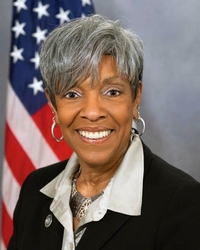
Rep. Carol Hill-Evans
Sponsored bills
Maddy summaryHB 1261 bans PFAS chemicals (harmful substances linked to health risks) in firefighting protective gear, requiring safer alternatives for all new equipment. It creates grant programs to help fire companies replace PFAS-containing gear and mandates that state-funded equipment purchases must be PFAS-free. The bill also imposes penalties on entities failing to comply with the PFAS restrictions. These changes directly protect firefighters and guide fire companies' equipment procurement under Pennsylvania law.
Maddy summaryThis House Resolution designates the week of March 9 through 13, 2026, as "Civic Learning Week" throughout Pennsylvania to highlight the importance of civic education. The measure is a symbolic recognition that does not create new laws, funding, or mandatory requirements for schools or government agencies. It acknowledges the role of civic education in preparing students for democratic participation and notes that Philadelphia will host a national forum on civic learning during that week. The resolution is introduced by multiple legislators and referred to the Committee on Education for consideration.
Maddy summaryHB 1541 (Pennsylvania) modifies a 1970 law governing construction contracts. It voids and makes unenforceable clauses requiring one party (like contractors, architects, or owners) to cover negligence-related damages (such as bodily injury, property damage, or economic loss caused by their own negligence). The bill also limits insurance coverage for "additional insureds" (entities added to a policy) to match the contract’s requirements and applicable law. This directly affects construction industry participants in contracts involving design, building, or infrastructure projects. The changes take effect 60 days after enactment.
Maddy summaryHB 1780 amends Pennsylvania's Commerce and Trade laws to require businesses accepting electronic payments to clearly disclose all associated fees to consumers. It directly affects merchants and service providers who process credit/debit card transactions, mandating transparent fee structures. The key provision requires payment processors to list all fees (like interchange, assessment, or processing fees) upfront during checkout or in billing statements. This aims to prevent hidden costs for consumers by making fee information readily available and understandable.
Maddy summaryHB 1113 proposes creating a new state office dedicated to supporting immigrants and newcomers in Pennsylvania, along with a dedicated funding account to support its work. The bill also establishes an advisory committee to guide the office's efforts, specifying its membership and responsibilities. This office would directly assist new residents, including immigrants, by providing resources and coordination. Key provisions include defining the office's duties, managing the restricted funding account, and outlining the committee's role in advising state officials. The bill aims to create a centralized state resource for newcomers but remains in early committee stages with no voting action taken.
Maddy summaryHB 1963 amends Pennsylvania's driver licensing rules to clarify the role of the Medical Advisory Board in reviewing medical conditions that may affect driving safety. It directly affects drivers with health conditions requiring medical evaluation and the Board itself, requiring the Board to provide specific guidance for license decisions. The bill establishes a formal process where the Board reviews medical documentation and advises the state on fitness-to-drive determinations. This changes current procedures by making the Board's input a mandatory step in certain licensing cases under Title 75.
Maddy summaryThis bill creates a new crime called aggravated assault of an insured, which applies specifically to the chief executive officers of health insurers. Under the law, a CEO would be guilty of this offense if they deny a medically necessary benefit to a patient, and that denial directly causes serious bodily injury or death to the patient. The legislation defines "health insurer" to include various types of medical coverage providers while excluding policies like dental, vision, and workers' compensation plans. If passed, the bill would take effect 60 days after its enactment.
Maddy summaryThis bill creates a new Commission for Career and Technical Education Excellence to oversee and report on vocational training programs across Pennsylvania. The commission will consist of state officials and representatives from industry groups, tasked with setting guidelines for credit transfer between schools and assessing workforce needs. Additionally, the legislation establishes a grant program to provide equipment for building and construction trades pre-apprenticeship initiatives at community colleges. It also mandates that community colleges offer annual youth camps in construction and building trades to seventh and eighth-grade students to introduce them to these career paths.
Maddy summaryThis resolution designates July 15, 2026, as "Court Appointed Special Advocates Day" in Pennsylvania to honor the work of the state's Court Appointed Special Advocates (CASA) program. The bill directly affects CASA volunteers and staff who provide free advocacy for abused and neglected children within the court system. By officially recognizing the date of the program's incorporation, the measure aims to highlight the contributions of these trained volunteers who help ensure the safety and well-being of vulnerable youth. The resolution serves as a commemorative gesture rather than establishing new laws or funding requirements.