

Maddy summaryThis bill amends Pennsylvania's Loan Interest and Protection Law to ban prepayment penalties on residential mortgages taken out on or after its effective date. It directly affects homeowners with personal, family, or household loans by allowing them to pay off their mortgages early without incurring extra fees or charges. The law ensures that borrowers can clear their debt ahead of schedule without financial penalties, and the changes will become active 60 days after the bill is passed.
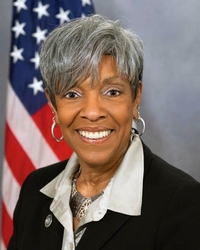
Rep. Carol Hill-Evans
Sponsored bills
Maddy summaryThis bill designates June 15, 2026, as 'Elora Joyce Khan Pediatric Brain Cancer Awareness Day' in Pennsylvania to honor a young resident and raise public attention to pediatric brain cancer. The resolution aims to promote education, compassion, and research into the disease while recognizing the Elora J. Khan Foundation's work supporting affected families. It does not change laws or allocate funding but serves as a symbolic gesture to highlight the importance of awareness and advocacy for children battling brain tumors.
Maddy summaryHB 1905 amends Pennsylvania law to expand the offense of assault to explicitly include "ethnic intimidation" under Title 18, making bias-motivated harassment a specific criminal charge. It also strengthens protections under Title 42 by prohibiting civil rights violations related to discriminatory conduct. The bill directly affects victims of bias-based crimes and law enforcement handling such cases, requiring specific legal procedures for these offenses. Key provisions clarify that assault charges can now be filed when harassment targets a person's ethnicity, religion, or other protected characteristics. The bill remains pending before the Judiciary committee after its referral on September 30, 2025.
Maddy summaryHB 1902 updates Pennsylvania law to specifically address hate-based harassment by adding "ethnic intimidation" as a distinct criminal offense under assault laws. It expands civil rights protections for victims of hate crimes by clarifying violations related to bias against race, ethnicity, or national origin. The bill requires municipal employees to complete annual training on recognizing and responding to hate-based intimidation. These changes directly affect law enforcement, municipal staff, and individuals experiencing bias-motivated violence or discrimination in Pennsylvania.
Maddy summaryThis resolution directs the Joint State Government Commission to conduct a study on waste heat recovery, a process that captures excess heat from data centers to reduce energy and water usage. The study will map existing infrastructure, identify implementation barriers, and evaluate economic and environmental impacts while reviewing successful policies from other regions. To guide the research, the commission must form an advisory committee representing diverse stakeholders, including data center operators, utilities, local governments, and the public. The commission is required to hold public hearings and submit a final report to the House of Representatives within one year of the resolution's adoption.
Maddy summaryThis bill amends Pennsylvania law to allow the Governor to permit the voluntary display of the Green Star Service Banner on state-owned property. The banner is intended to honor the surviving families of military members and veterans who died by suicide during specific observances. This change adds a new provision to an existing statute that currently gives the Governor authority over how the U.S. flag is displayed on public grounds. The new rule requires that any display of the banner follows existing security and policy guidelines for state property.
Maddy summaryThis bill updates Pennsylvania laws governing public-private transportation partnerships by clarifying definitions, establishing board procedures, and outlining sovereign immunity protections. It requires public agencies to conduct detailed analyses and public comment periods before approving transportation projects, ensuring transparency and community input. Additionally, the legislation reaffirms that government entities and their employees retain immunity from lawsuits when acting within their official duties, while specifying how legal claims must be filed. These changes directly affect state agencies, local governments, and private partners involved in transportation infrastructure initiatives.
Maddy summaryThis bill modifies Pennsylvania's tax system for highway maintenance and construction by establishing a new annual payment rate of $6,000 per mile for state highways transferred to local municipalities. The law requires these funds to be deposited into a restricted account specifically designated for paying restoration costs and ongoing maintenance payments to affected municipalities. Additionally, the bill mandates automatic adjustments to these annual payments every 24 months starting February 1, 2028, based on changes in the Consumer Price Index for All Urban Consumers. The Department of Transportation will calculate these inflation-based adjustments and notify the Legislative Reference Bureau for official publication. The changes take effect 60 days after the bill is enacted.
Maddy summaryThis bill requires taxpayers with significant sales tax delinquencies or repeated failure to file returns to use an authorized third-party service provider for reporting and remitting taxes. It directly affects Pennsylvania businesses and individuals who owe more than $5,000 in delinquent sales tax or have three consecutive non-filed returns. The Department of Revenue would cover the service provider costs for the first year, after which the taxpayer pays, and could impose a $10,000 penalty for failing to enroll with an approved provider. The law takes effect 60 days after passage and allows taxpayers to continue using the service provider voluntarily after the mandatory period ends.
Maddy summaryHB 2145 prohibits the use of perfluoroalkyl and polyfluoroalkyl substances (PFAS) in specific consumer products sold in Pennsylvania, directly affecting manufacturers of these items. The bill bans intentionally added PFAS in cosmetics, dental floss, juvenile products (like baby mattresses and strollers), and menstrual products, while defining these terms precisely in Chapter 71 of Pennsylvania’s Commerce and Trade code. The Department of Environmental Protection will enforce the ban and impose penalties for violations. This law aims to protect consumers from potential health risks associated with PFAS chemicals, which are linked to environmental contamination and health concerns.