

Maddy summaryHB 1479 amends Pennsylvania laws related to protection from abuse and victim support for sexual violence or intimidation. It updates definitions and expands available legal relief options for two specific groups: individuals seeking protection from domestic abuse and victims of sexual violence or intimidation. The bill focuses on clarifying statutory language and strengthening procedural pathways for obtaining court-ordered protections. These changes directly affect Pennsylvania residents who are victims of these specific harms and seek legal remedies through the state's judicial system. The bill is currently pending in committee after being referred to the Judiciary Committee.
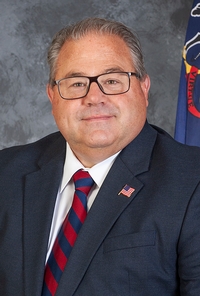
Rep. Mike Armanini
Sponsored bills
Maddy summaryHB 1476 amends Pennsylvania's judicial statutes to clarify and strengthen definitions related to victims of sexual violence or intimidation. The bill specifically updates legal terminology within Title 42 (Judiciary and Judicial Procedure) to better protect these individuals during court proceedings. This change directly affects victims seeking legal recourse and the judicial system handling such cases by ensuring consistent application of protections. The bill focuses on defining key terms to improve how courts address these sensitive matters, without creating new penalties or programs.
Maddy summaryHB 2041 amends Pennsylvania's Childhood Blood Lead Test Act to require health care practitioners to ensure children receive at least one blood lead test by 12 months of age and a second test by 24 months of age, with additional testing mandated between 24 and 72 months if not tested by age 2. The bill also requires blood lead testing for pregnant women who have at least one identified lead exposure risk factor. It clarifies that health insurance must cover these tests without cost-sharing, as defined in the bill. This law directly affects children under 72 months, pregnant women, and health care providers in Pennsylvania.
Maddy summaryHB 1057 updates fee schedules for pilots guiding vessels on the Delaware River, directly affecting shipping companies and vessels using ports from Philadelphia to the Delair Railroad Bridge. It establishes annual rate increases for pilotage services (e.g., $18.86 per unit effective January 2028), sets minimum/maximum unit charges, and specifies fees for services like river transit ($275-$300) and canal crossings ($1,000-$1,750). The bill modifies existing fee structures without changing pilot regulations or requirements. It applies to all vessels navigating the Delaware River and Chesapeake & Delaware Canal, with fees effective from 2022 through 2028.
Maddy summaryHB 2000 designates a specific section of highway in Pennsylvania as the "Pennsylvania and National Medal of Honor Highway" to honor Medal of Honor recipients. It directly affects the highway corridor by renaming it, replacing a previous designation. The bill's key provision is the repeal of the prior highway name, formally establishing this new commemorative name through legislative action. This is a ceremonial measure with no funding or policy changes beyond the highway's official designation.
Maddy summaryHB 157 creates state grants to help healthcare entities in rural counties or designated medically underserved areas cover the student loan debt of their employed healthcare practitioners. The grants would be paid directly to the healthcare facilities (like clinics or hospitals), not to individual providers, to offset the cost of practitioners' education debt. This aims to support recruitment and retention of healthcare workers in areas with limited access to medical services. The program would be funded through state appropriations, targeting facilities serving communities with significant healthcare access challenges.
Maddy summaryHB 1951 requires the Department of Corrections and the Office of Attorney General to follow specific procedures when lands containing state correctional institutions are offered for sale. The bill mandates that these agencies provide certain information to potential buyers and coordinate with the Attorney General's office before any sale can proceed. This directly affects state agencies managing correctional facilities and any entities seeking to purchase land currently housing prisons or related facilities. The key provision creates a formal process to ensure transparency and legal compliance during land sales involving correctional properties.
Maddy summaryHB 1608 would change how Pennsylvania awards transportation infrastructure projects by allowing state agencies to use a "design build best value" approach instead of solely selecting the lowest bid. This means projects could be awarded based on a combination of cost, technical quality, and project timeline, rather than just the cheapest proposal. The bill directly affects state transportation projects (like roads and bridges) and the contractors bidding on them. It is currently pending final approval after passing third consideration in the legislature.
Maddy summaryHR 281 is a procedural resolution that forces the House Committee on Education to stop considering Senate Bill 9. It discharges the committee after 15 legislative days (since May 7, 2025) passed without the committee reporting the bill to the full House. This resolution does not change the content of Senate Bill 9; it only allows the full House to vote on the bill directly. The resolution itself is purely procedural and does not affect any policy or specific group of people.
Maddy summaryHB 1867 would amend Pennsylvania's criminal code to prohibit courts from issuing extreme risk protective orders (ERPOs), which are court orders temporarily removing firearms from individuals deemed a risk to themselves or others. This bill directly affects individuals who might be subject to such orders, as well as law enforcement and courts that currently use ERPOs under existing state law. The key provision would eliminate the legal mechanism for ERPOs in Pennsylvania, preventing judges from issuing these orders even when requested by law enforcement or family members. The bill is currently in the Judiciary committee following its referral on September 17, 2025.