

Maddy summaryThis bill modifies how Pennsylvania distributes fees collected from unconventional gas wells, specifically directing 25% of those funds to a state account for bridge improvements. The legislation allows counties and municipalities to use these monies to repair or upgrade bridges regardless of whether they qualify for federal funding assistance. Additionally, it permits larger counties to allocate these funds toward improving bridges owned by public transportation authorities. The changes take effect 60 days after the bill becomes law.
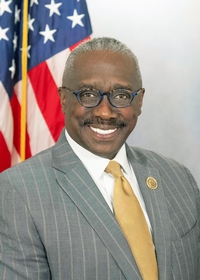
Rep. Dan Williams
Sponsored bills
Maddy summaryHB 2207 increases the maximum loan amount for small businesses in Pennsylvania seeking capital development loans (for land, buildings, machinery, and equipment) from $400,000 to $2,000,000, or 50% of total project costs, whichever is lower. It clarifies that costs incurred during the 12 months before applying are included in the total project costs calculation. The bill directly affects small businesses applying for these state-backed loans through Pennsylvania's capital development program. The changes take effect 60 days after enactment.
Maddy summaryHB 1117 amends Pennsylvania's 1929 Administrative Code to redefine the Department of Drug and Alcohol Programs' responsibilities for addressing substance use disorders. The department must now develop a comprehensive State plan coordinating prevention, treatment, research, and education across all state agencies and local communities - including health, law enforcement, education, and workforce sectors - to avoid duplication. The plan requires annual review and updates, and mandates the department to provide assistance to local governments while collaborating with medical professionals on drug use guidelines. This change formalizes existing coordination efforts under a unified framework, directly affecting state agencies and local entities managing substance use disorder services.
Maddy summaryThis bill requires insurance companies in Pennsylvania to contract with behavioral health care providers who meet specific criteria, such as being licensed in good standing and offering services within the state. The law mandates that insurers cannot deny network participation to qualified providers who agree to standard contract terms, ensuring patients have access to a wider range of mental health and substance use disorder specialists. Additionally, the legislation establishes rules for claim handling and prohibits discrimination based on the type of behavioral health service provided. By creating these new requirements, the bill aims to remove barriers that might prevent individuals from finding suitable care within their insurance networks.
Maddy summaryThis House Resolution designates September 2026 as "Baby Safety Month" in Pennsylvania to raise awareness about infant safety. The measure encourages parents to follow safety guidelines, such as properly assembling cribs, checking product age ratings, and maintaining constant supervision. As a symbolic resolution, it does not create new laws or alter existing regulations but serves to highlight the importance of creating safe environments for children.
Maddy summaryThis resolution designates September 2026 as "Newborn Screening Awareness Month" in Pennsylvania to highlight the importance of early health testing for infants. The bill does not alter any laws or change how screening is conducted; instead, it serves as a symbolic gesture to encourage public awareness among parents, healthcare providers, and the community. By recognizing this month, the House of Representatives aims to promote education about newborn screening programs that detect rare but serious conditions.
Maddy summaryThis bill requires health insurance plans in Pennsylvania to credit money that policyholders spend on prescription drugs toward their annual out-of-pocket maximums. The law applies to anyone enrolled in a health benefit plan who pays directly for medications at a pharmacy or through a discount program, regardless of whether the pharmacy has a contract with the insurer. To receive this credit, individuals must submit proof of purchase, and the credit counts toward deductibles, copayments, and coinsurance for the year the expense was incurred. The legislation also establishes a process for insurers to submit regulations and outlines penalties for failing to comply with these new requirements.
Maddy summaryThis resolution designates the week of August 2 through 8, 2026, as "National Health Center Week" throughout Pennsylvania to honor the work of community health centers. These facilities provide low-cost primary care to uninsured and underinsured residents, particularly in rural areas and health care deserts. The bill serves as a commemorative measure to raise awareness about the essential role these centers play in delivering affordable health services and supporting local economies. It does not alter any laws or funding but aims to celebrate the contributions of health professionals and staff at these clinics.
Maddy summaryThis bill updates Pennsylvania's Real Estate Licensing and Registration Act to formally establish a new license for home inspectors and a registration for those in training. It defines what constitutes a home inspection and a material defect, clarifying that these terms apply to noninvasive visual examinations of residential properties rather than specialized tests for specific systems like plumbing or radon. The legislation also adds definitions for campground membership salespersons and expands the duties of real estate brokers to include requirements for maintaining an office. Additionally, the bill outlines penalties for operating without a license and sets rules for continuing education and reciprocal licensing for home inspectors.
Maddy summaryThis bill is a ceremonial resolution that designates the week of September 12 through 18, 2026, as "Neonatal Nurses Week" in Pennsylvania. It aims to honor the work of neonatal nurses who provide specialized care to newborn infants, particularly those in intensive care units with complex health needs. The measure does not change any laws or policies but serves to publicly acknowledge the skills and dedication of these healthcare professionals.